
Mammal
Giant Panda
Ailuropoda melanoleucaAlso known as Panda Bear, Bamboo Bear
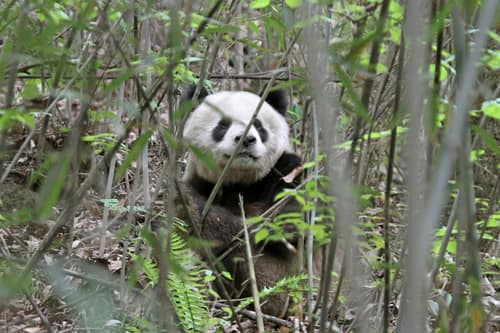
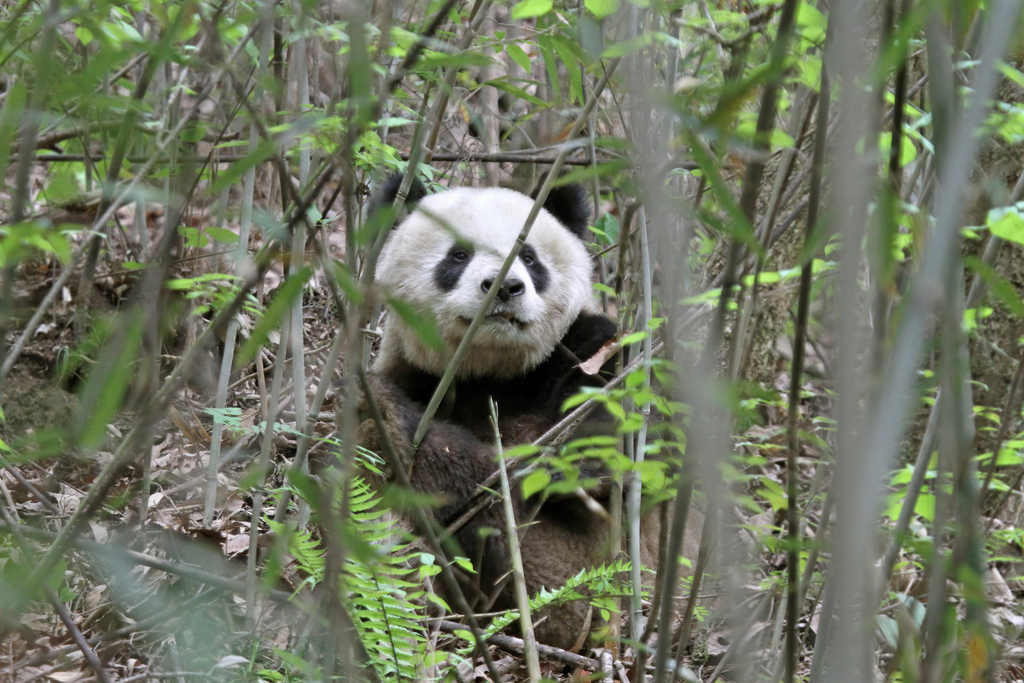
Giant pandas roam the foggy bamboo forests of central China, spending up to twelve hours a day crunching tough bamboo stalks with specialized wrist bones that function like opposable thumbs. These solitary bears rely on scent markings along tree trunks to mark territories and communicate across rugged mountain ridges. Females give birth to tiny, vulnerable cubs that require continuous maternal care for nearly two years before independence.
MammalSolitaryHerbivore
—observations
—countries
—peak records
VulnerableConservation statusIUCN Red List categoriesLCNTVUENCREWEXVulnerableRed List categories, explained →
Diet & preyBamboo Shoots, Bamboo Leaves, Wild Fruit
Predators
- Snow Leopard
- Jackal
- Yellow-throated Marten
ThreatsHabitat fragmentation, climate change affecting bamboo cycles, low reproductive rates
HabitatsHigh-altitude bamboo and temperate broadleaf forests
Life span15–20 years in the wild (up to 30 years in captivity)
Classification
- OrderCarnivora
- FamilyUrsidae
- GenusAiluropoda
- SpeciesAiluropoda melanoleuca
Native
Interaction riskHigh
- Low
- Moderate
- High
- Very high
- Why interaction risk is high
- Large bear with powerful crush-biting jaws; maintain safe distance in reserves.
- Why it is dangerous
- Massive jaw muscles and broad molars generate immense bite force capable of crushing thick bamboo, posing a threat of crushing bone if provoked.
- How to recognize a risky encounter
- Unmistakable body plan with stark white fur, black limbs, black eye patches, and round ears.
- What to do
- Observe strictly from designated platforms or guided paths, never approaching wild or captive individuals.
- What to notice
- Stark black-and-white bear inhabiting dense high-altitude bamboo understories in central China.
- Support conservation
- Stick to official reserve trails, respect field research closures, and never disturb natural bamboo growth in protected reserves.
Responsible observation
- Reserve Viewing: Maintain quiet, respectful distances during sanctuary visits to reduce stress on animals.
- Habitat Conservation: Support forest corridors that reconnect fragmented bamboo mountain blocks.
- Recognizing Sign: Look for chewed bamboo stalks and distinct oval droppings in high-elevation bamboo thickets.
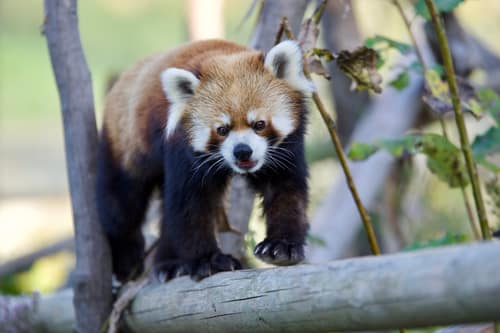
Ecological Neighbor (c) S.Brickman, some rights reserved (CC BY-SA) · cc-by-sa
Subspecies AilieHM / CC BY-SA 4.0 · cc-by-sa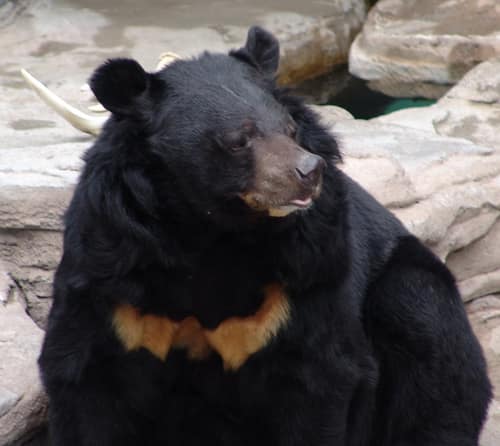
Co-occurring Species "Asiatic Black Bear {Ursus thibetanus}" by Drew Avery is licensed under CC BY 2.0. To view a copy of this license, visit https://creativecommons.org/licenses/by/2.0/. · cc-by
Family Relative Alan Wilson / CC BY-SA 3.0 · cc-by-sa
Keep collecting in Fauna
Found in Collections
Species set Pro
Cute & Cuddly
Giant Panda is found in this collection. Identify it in Fauna to fill this slot and continue your progress.
Unlock to track progress
Help improve the field guideSomething wrong?
Checking your Fauna account…Report a name, category, or profile issue for review.