
Mammal
Mexican Free-tailed Bat
Tadarida brasiliensisAlso known as Brazilian Free-tailed Bat
Mexican free-tailed bats form some of the largest warm-blooded animal aggregations on Earth, with single cave colonies numbering in the millions. These swift flyers launch at sunset in dense streams to hunt agricultural pests high in the night sky. Females give birth to a single pup each summer, locating their own offspring among millions in total darkness using unique vocal calls and scent signatures.
MammalNocturnalMigratory
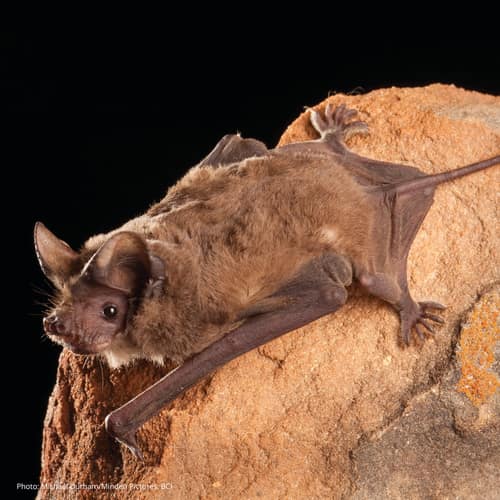
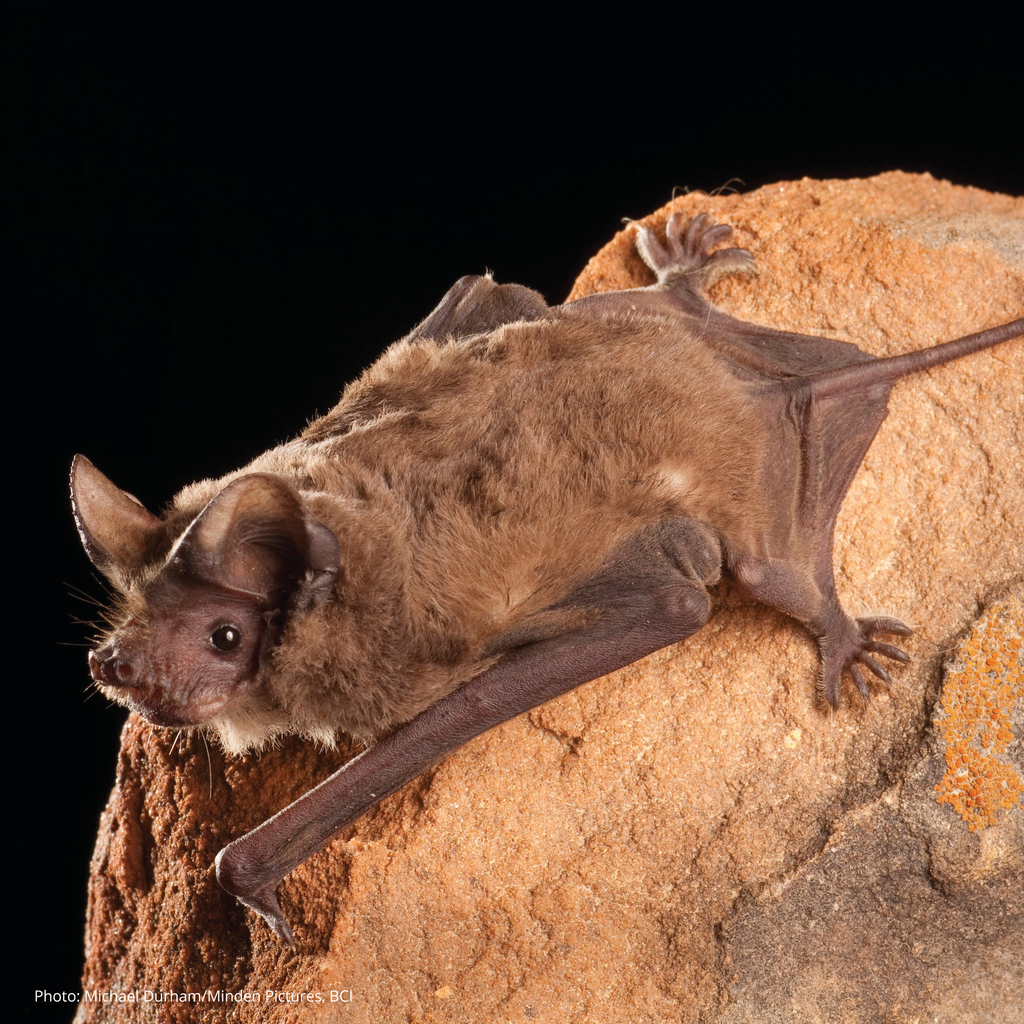
—observations
—countries
—peak records
Least ConcernConservation statusIUCN Red List categoriesLCNTVUENCREWEXLeast ConcernRed List categories, explained →
Diet & preyCorn Earworm Moth, June Beetle, Mosquito
Predators
- Great Horned Owl
- Red-tailed Hawk
- Rat Snake
ThreatsHabitat loss, wind turbine mortality, roost disturbance, pesticide exposure
HabitatsCaves, bridges, buildings, hollow trees, desert scrub, open woodlands
Life span10–18 years
Classification
- OrderChiroptera
- FamilyMolossidae
- GenusTadarida
- SpeciesTadarida brasiliensis
Native
Interaction riskModerate
- Low
- Moderate
- High
- Very high
- Why interaction risk is moderate
- Can transmit rabies and bite defensively; observe roost emergence from a safe distance without touching grounded bats.
- Why it is dangerous
- Can carry the rabies virus and deliver severe defensive bites if handled or accidentally touched.
- How to recognize a risky encounter
- Recognized by a mouse-like tail extending beyond the flight membrane, wrinkled lips, and broad ears.
- What to do
- Never handle grounded or roosting bats; contact local wildlife authorities if one enters a living area.
- What to notice
- Gathers in massive numbers inside caves and under bridge structures during spring and summer months.
- Support conservation
- Keep noise low near roost entrances and avoid shining bright lights directly at emerging streams.
Responsible observation
- Bridge Viewing: Watch mass dusk emergences from designated viewing decks while keeping clear of flight corridors.
- Never Handle: Leave grounded bats undisturbed, as sick or injured individuals may bite in self-defense.
- Roost Protection: Avoid entering nursery caves during spring and summer to prevent disturbing vulnerable pups.
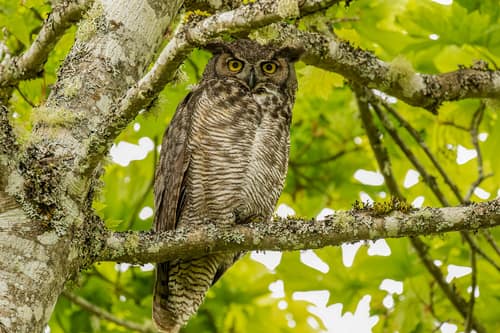
Predator "Great Horned Owl, the first I've seen in decent light this year. Didn't want to disturb it for too long so we continued along the trail" by island deborah- is licensed under CC BY-SA 2.0. To view a copy of this license, visit https://creativecommons.org/licenses/by-sa/2.0/. · cc-by-sa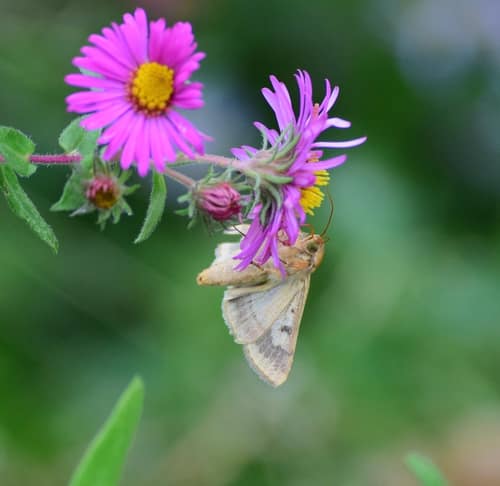
Prey (c) Bernie Paquette, some rights reserved (CC BY), uploaded by Bernie Paquette · cc-by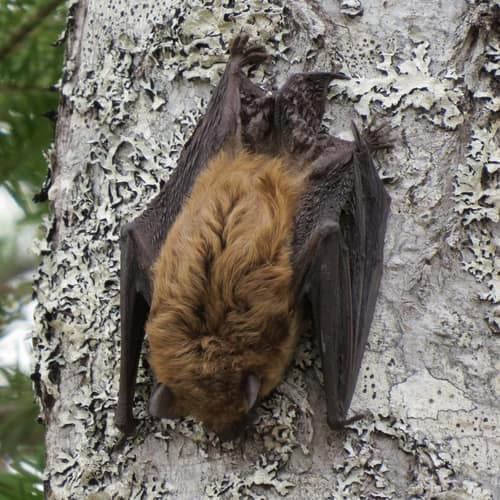
Competitor (c) Fyn Kynd, some rights reserved (CC BY) · cc-by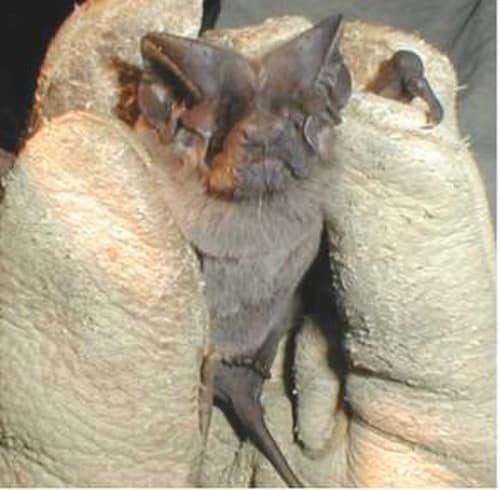
Close Relative United States National Park Service / Public domain · cc0
Keep collecting in Fauna
Found in Collections
Species set
Moonlight Marvels
Mexican Free-tailed Bat is found in this collection. Identify it in Fauna to fill this slot and continue your progress.
—/7
Help improve the field guideSomething wrong?
Checking your Fauna account…Report a name, category, or profile issue for review.