
Mammal
Little Brown Bat
Myotis lucifugusAlso known as Little Brown Myotis
Little brown bats emerge at dusk to swoop over rivers, lakes, and forest glades, consuming half their body weight in flying insects each night. Females gather in warm attic or barn maternity colonies each spring to nurse a single pup, while both sexes hibernate together in humid caves and abandoned mines throughout winter. Catastrophic population crashes caused by White-nose Syndrome have made this once-abundant aerial hunter a major conservation priority across North America.
NocturnalInsectivoreMammal
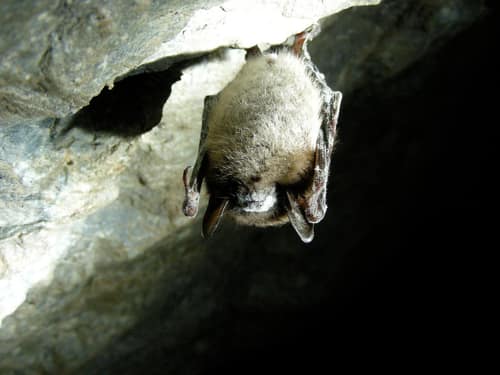
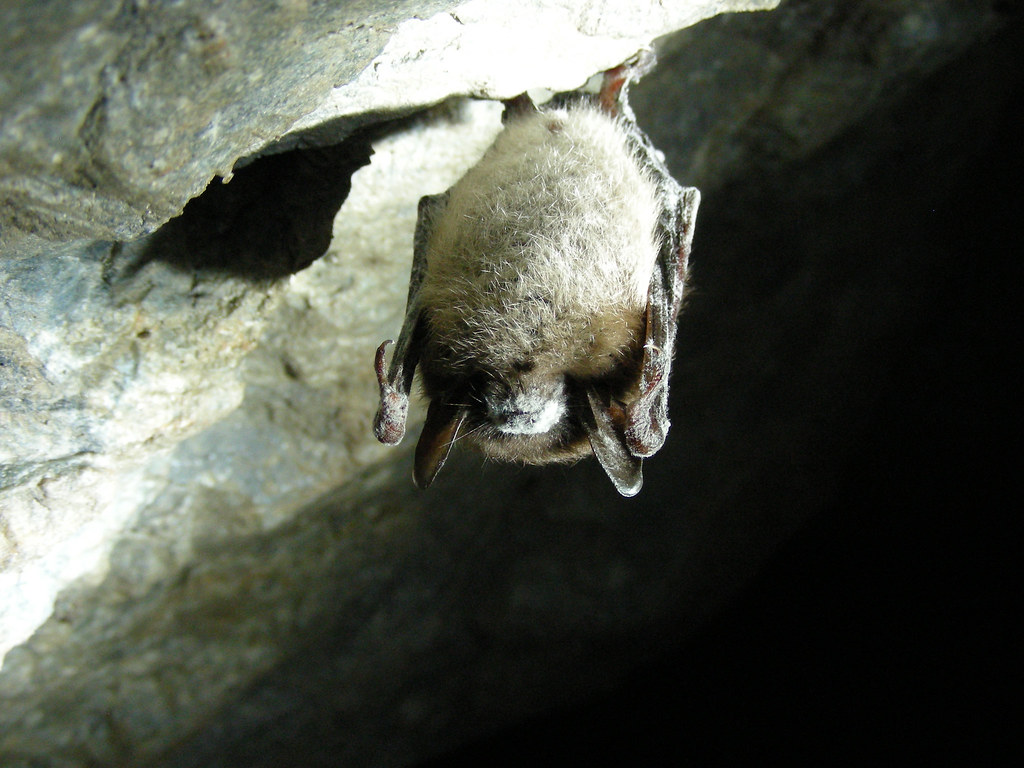
—observations
—countries
—peak records
EndangeredConservation statusIUCN Red List categoriesLCNTVUENCREWEXEndangeredRed List categories, explained →
Diet & preyMidges, Moths, Mayflies
Predators
- Owls
- Raccoons
- Domestic Cats
ThreatsWhite-nose syndrome (Pseudogymnoascus destructans), habitat destruction, winter disturbance
HabitatsBoreal and temperate forests, caves, mines, attics, near lakes and rivers
Life span6–10 years (up to 30+ years in the wild)
Classification
- OrderChiroptera
- FamilyVespertilionidae
- GenusMyotis
- SpeciesMyotis lucifugus
Native
Interaction riskModerate
- Low
- Moderate
- High
- Very high
- Why interaction risk is moderate
- Can carry rabies and bite defensively if handled; observe from a distance and never touch grounded bats.
- Why it is dangerous
- Bites or scratches can transmit the rabies virus, requiring prompt medical evaluation.
- How to recognize a risky encounter
- Glossy brown body with dark wings, short rounded ears, and a soft pale belly.
- What to do
- Never touch a bat with bare hands; call local animal control for grounded individuals.
- What to notice
- Forms dense maternal clusters in attics and hibernates in humid limestone caves.
- Support conservation
- Maintain strict distance from active roosts and abide by all local cave closures.
Responsible observation
- Observe at Dusk: Watch them forage for aquatic insects over calm water at twilight.
- Keep Clear of Caves: Stay out of hibernation sites during winter to prevent spreading fungal spores.
- Provide Bat Houses: Mount bat boxes high on unshaded structures to offer safe summer roosts.
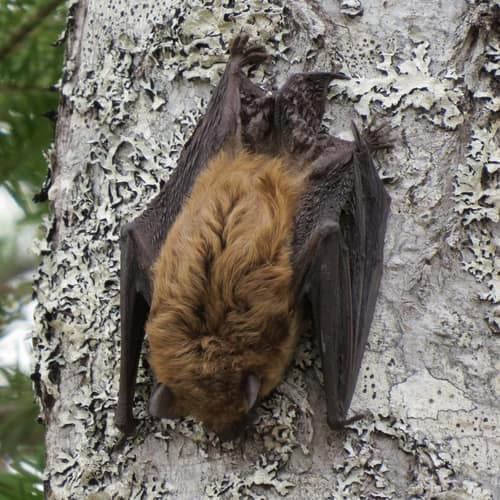
Ecological Co-occupant (c) Fyn Kynd, some rights reserved (CC BY) · cc-by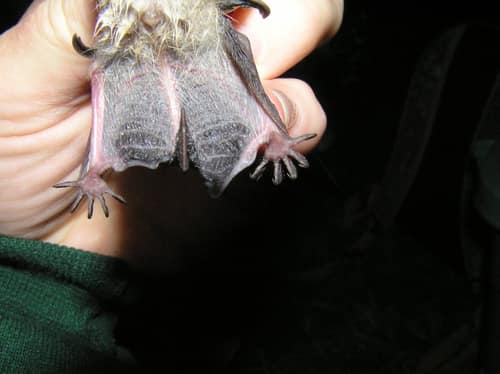
Close Relative (c) Marlo Perdicas, some rights reserved (CC BY), uploaded by Marlo Perdicas · cc-by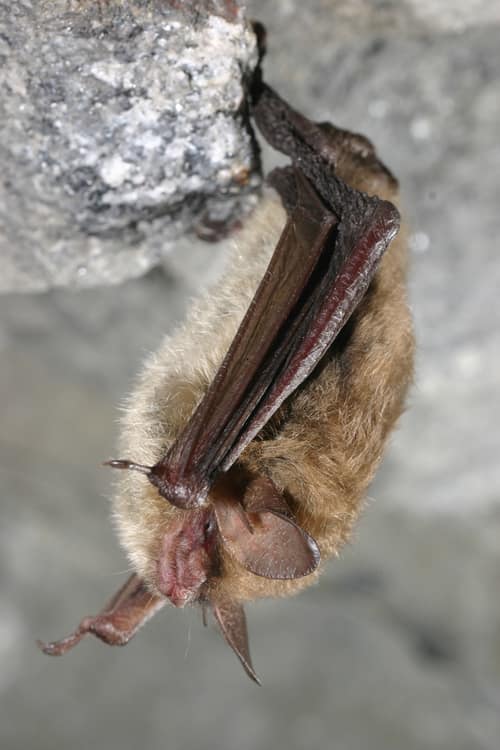
Close Relative (c) U.S. Fish and Wildlife Service Headquarters, some rights reserved (CC BY) · cc-by
Keep collecting in Fauna
Found in Collections
Species set
Moonlight Marvels
Little Brown Bat is found in this collection. Identify it in Fauna to fill this slot and continue your progress.
—/7
Help improve the field guideSomething wrong?
Checking your Fauna account…Report a name, category, or profile issue for review.