
Amphibian
Barking Tree Frog
Hyla gratiosaAlso known as Bell Frog, Georgia Tree Frog
Barking tree frogs are the largest native tree frogs in the United States, celebrated for their stout, rounded bodies and distinctively spotted skin. They spend hot summer days high in the pine canopy, descending to ephemeral ponds at night to breed and chorusing with a loud, hollow call that sounds remarkably like a distant pack of barking hounds. During dry spells, they burrow into sandy soil or hide beneath damp logs to conserve moisture.
NocturnalArborealVocal
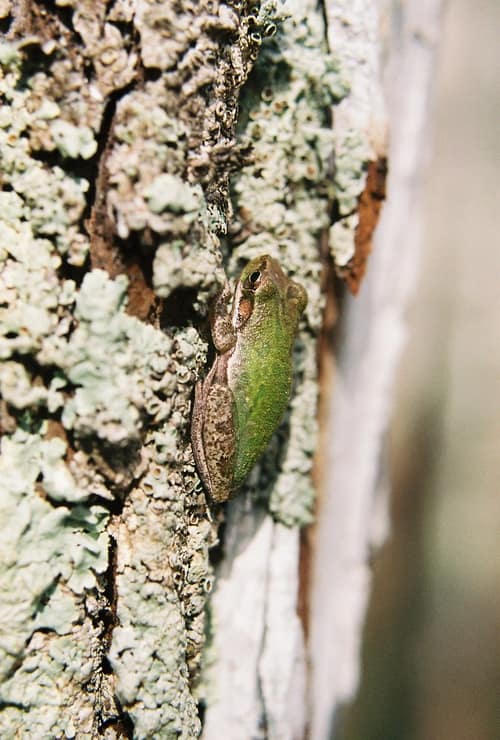
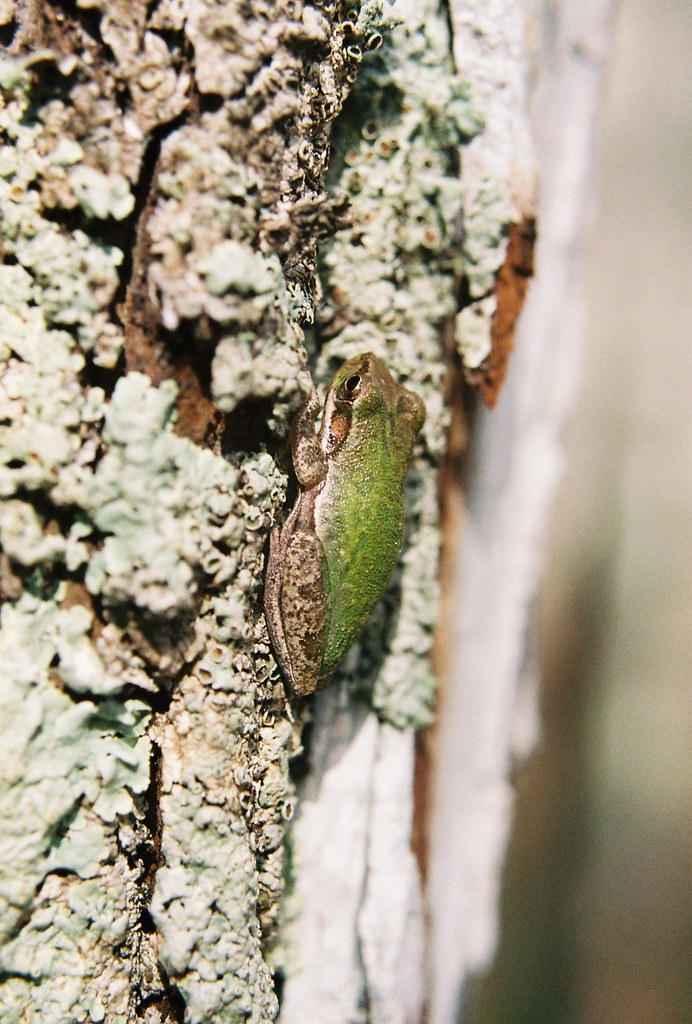
—observations
—countries
—peak records
Least ConcernConservation statusIUCN Red List categoriesLCNTVUENCREWEXLeast ConcernRed List categories, explained →
Diet & preyCrickets, Beetles, Moths
Predators
- Ribbon snakes
- Crows
- Wading birds
ThreatsHabitat fragmentation, loss of temporary breeding ponds, and fire suppression
HabitatsLongleaf pine flatwoods, oak scrub, and ephemeral wetlands
Life span5 to 10 years
Classification
- FamilyHylidae
- SpeciesHyla gratiosa
Range data is not available yet.
Interaction riskLow
- Low
- Moderate
- High
- Very high
- Why interaction risk is low
- Safe to observe at a normal distance.
- What to notice
- Look for a plump, green or brown body covered in dark, evenly spaced circular spots and a white stripe along the lip.
- Support conservation
- Avoid disturbing breeding pools and report sightings to local wildlife agencies in northern states.
Responsible observation
- Listen for the chorus: Scan breeding ponds on warm, rainy summer nights when males call from the water.
- Look up: Search the trunks of pine trees near water sources during the day for resting individuals.
- Handle with wet hands: Keep hands moist and free of lotion if you must touch them to protect their sensitive skin.
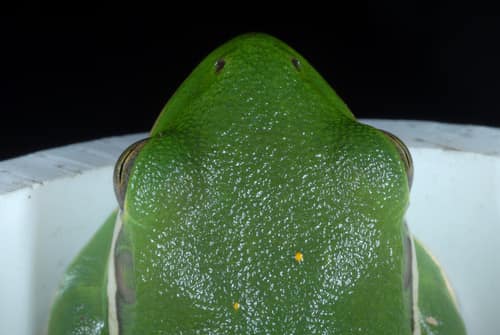
Close Relative (c) Douglas Goldman, some rights reserved (CC BY-SA), uploaded by Douglas Goldman · cc-by-sa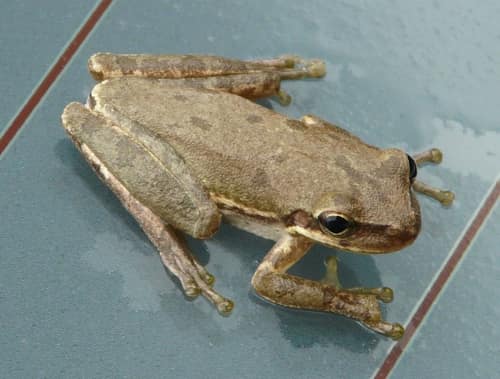
Close Relative no rights reserved, uploaded by kent ozment · cc0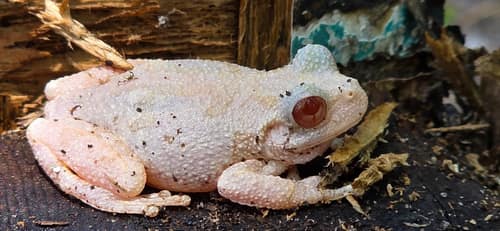
Close Relative no rights reserved · cc0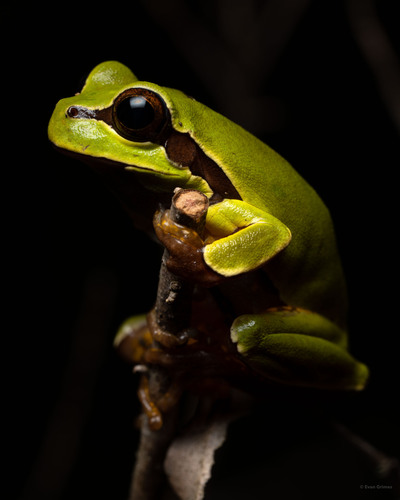
Close Relative (c) evangrimes, some rights reserved (CC BY) · cc-by
Help improve the field guideSomething wrong?
Checking your Fauna account…Report a name, category, or profile issue for review.