
Amphibian
American Toad
Anaxyrus americanusAlso known as Eastern American Toad, Hop Toad
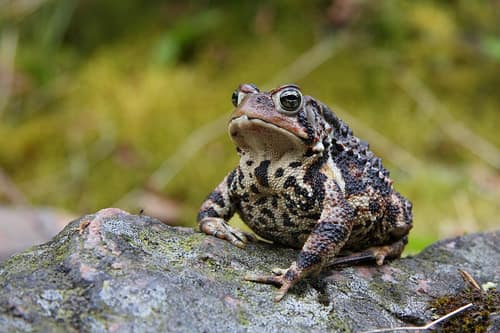
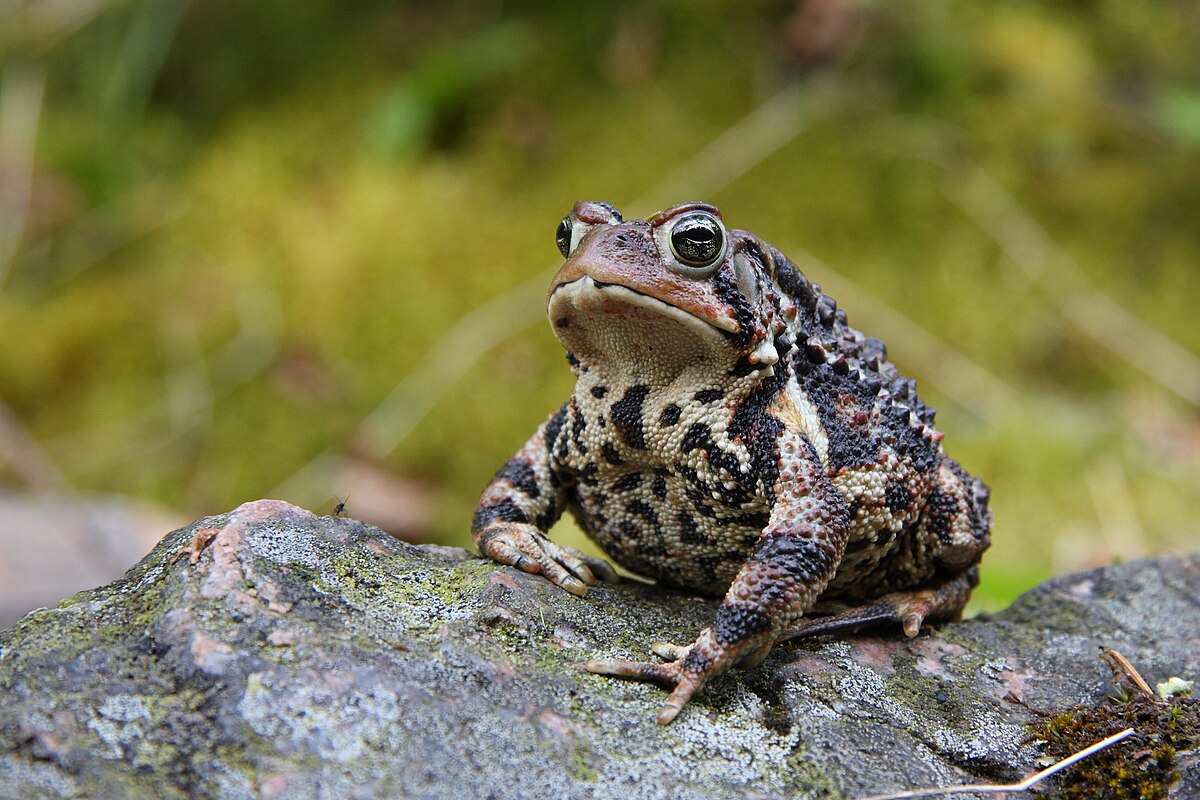
American toads are sturdy, nocturnal amphibians famous for their long, musical breeding trills that echo across wetland edges each spring. They spend most of their time on land, using camouflage and loose soil to bury themselves during hot days or winter cold. When confronted by predators, they inflate their bodies to appear larger and secrete mild toxins from parotoid glands behind their eyes.
AmphibianNocturnalInsectivore
—observations
—countries
—peak records
Least ConcernConservation statusIUCN Red List categoriesLCNTVUENCREWEXLeast ConcernRed List categories, explained →
Diet & preyInsects, Earthworms, Slugs
Predators
- Eastern Hognose Snake
- Garter Snake
- Raccoon
ThreatsRoad mortality, heavy pesticide use, habitat loss, fungal pathogens
HabitatsDeciduous forests, fields, gardens, suburban yards, wetland margins
Life span5–10 years in the wild
Classification
- OrderAnura
- FamilyBufonidae
- GenusAnaxyrus
- SpeciesAnaxyrus americanus
Range data is not available yet.
Interaction riskHigh
- Low
- Moderate
- High
- Very high
- Why interaction risk is high
- Secretes mild toxins that irritate eyes and harm pets if ingested; wash hands after handling.
- Why it is dangerous
- Parotoid glands behind the eyes produce bufotoxins that cause drooling, vomiting, and cardiac distress in pets that mouth them.
- How to recognize a risky encounter
- Recognizable by thick brown or olive skin, prominent oval parotoid glands behind the eyes, and one or two warts per dark spot.
- What to do
- Keep dogs from picking up toads, and always wash hands thoroughly after handling before touching your eyes or mouth.
Responsible observation
- Garden helper: Encouraging resident toads keeps garden beetle, slug, and cutworm numbers low naturally.
- Nighttime watching: Search near porch lights after dusk where attracted insects drop to the ground.
- Breeding calls: Listen for sustained, high-pitched musical trills near shallow water on warm spring nights.
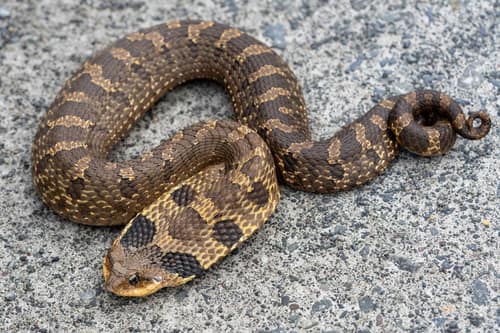
Predator (c) evangrimes, some rights reserved (CC BY), uploaded by evangrimes · cc-by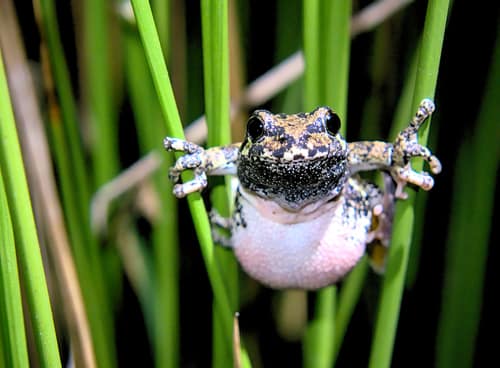
Frequent Companion (c) Blake Ross, some rights reserved (CC BY), uploaded by Blake Ross · cc-by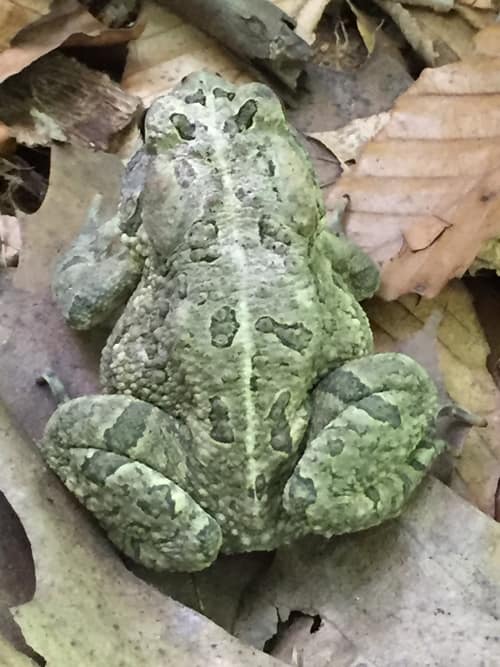
Close Relative no rights reserved · cc0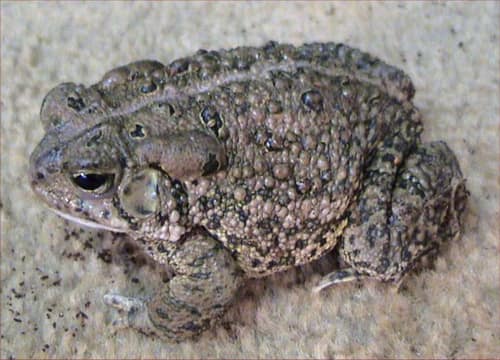
Close Relative Wikimedia Commons / CC BY-SA 2.5 · cc-by-sa
Help improve the field guideSomething wrong?
Checking your Fauna account…Report a name, category, or profile issue for review.