
Fish
Great White Shark
Carcharodon carchariasAlso known as White Shark, White Pointer, Great White
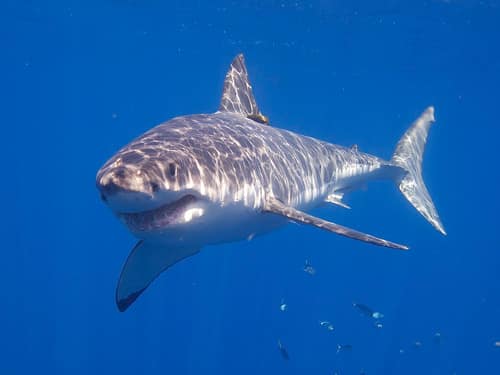
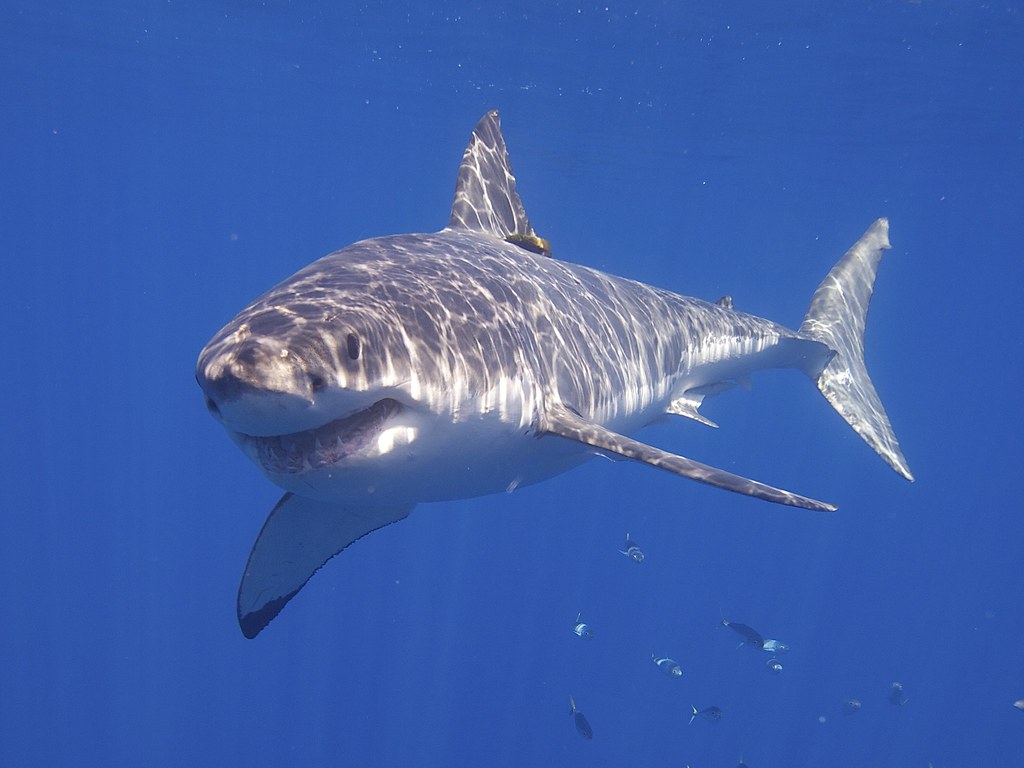
Great white sharks are the world's largest predatory fish, cruising coastal and offshore waters with a counter-shaded gray and white body built for ambush. Using an advanced circulatory system that conserves metabolic heat, these powerful swimmers maintain body temperatures warmer than the surrounding water, enabling explosive bursts of speed in chilly seas. Their extraordinary electroreception system detects microvolts of electrical activity generated by the muscle movements of distant prey.
Apex PredatorMarineMigratory
—observations
—countries
—peak records
VulnerableConservation statusIUCN Red List categoriesLCNTVUENCREWEXVulnerableRed List categories, explained →
Diet & preyCape Fur Seal, Northern Elephant Seal, Yellowfin Tuna
Predators
- Orca
ThreatsBycatch, illegal finning, targeted trophy hunting, coastal habitat degradation
HabitatsCoastal ocean, temperate and subtropical marine waters, open ocean
Life span40–70 years
Classification
- FamilyLamnidae
- SpeciesCarcharodon carcharias
N. Atlantic S. Atlantic N. Pacific S. Pacific Indian Ocean Mediterranean
Marine distribution — the ocean basins and seas where the species occurs.
Interaction riskHigh
- Low
- Moderate
- High
- Very high
- Why interaction risk is high
- Capable of inflicting fatal bites; maintain extreme distance in the water and follow local beach safety advisories.
- Why it is dangerous
- Equipped with massive jaws and serrated triangular teeth capable of delivering devastating bites that cause rapid, severe blood loss.
- How to recognize a risky encounter
- Look for a heavy torpedo-shaped body, dark gray back, stark white belly, and a prominent triangular dorsal fin.
- What to do
- If spotted while in the water, remain calm, keep eyes on the shark, and swim smoothly toward safety without splashing.
- What to notice
- Identified by its massive size, conical snout, and stark color boundary where the gray back meets the white underside.
- Support conservation
- Support sustainable seafood practices and adhere strictly to regional marine protection laws regarding shark conservation.
Responsible observation
- Safety Distance: Never enter the water near seal colonies or active shark feeding grounds.
- Observer Conduct: View from licensed tour boats or secure diving cages rather than free swimming.
- Water Conditions: Avoid swimming at dawn, dusk, or in murky coastal waters where visibility is low.
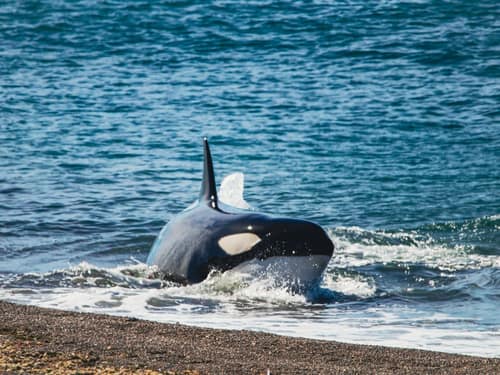
Predator (c) Martín Acosta Albarracín, some rights reserved (CC BY), uploaded by Martín Acosta Albarracín · cc-by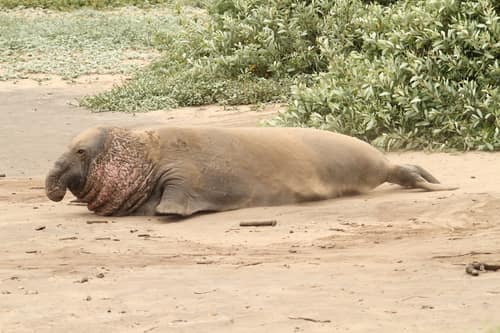
Prey (c) Bart, some rights reserved (CC BY), uploaded by Bart · cc-by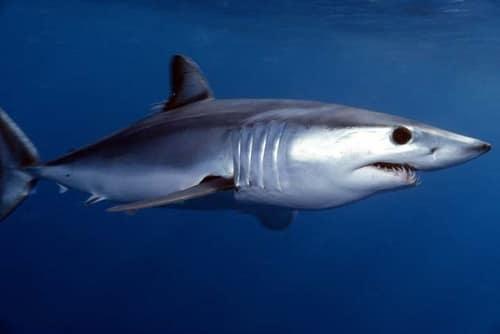
Close Relative (c) jidanchaomian, some rights reserved (CC BY-SA) · cc-by-sa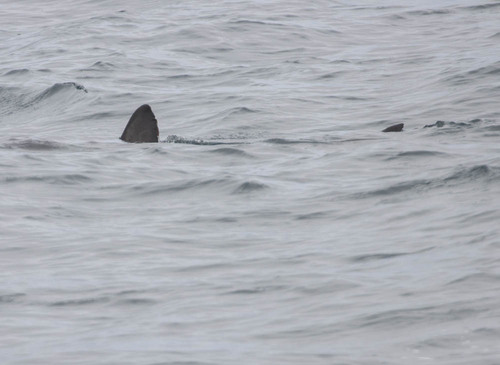
Close Relative (c) avocat, some rights reserved (CC BY) · cc-by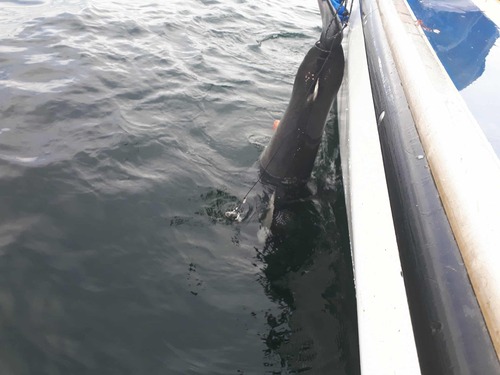
Close Relative (c) Julien Savoie, some rights reserved (CC BY) · cc-by
Help improve the field guideSomething wrong?
Checking your Fauna account…Report a name, category, or profile issue for review.