
Fish
Great Hammerhead
Sphyrna mokarranAlso known as Great Hammerhead Shark
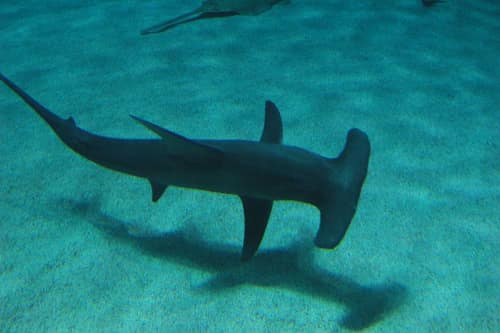
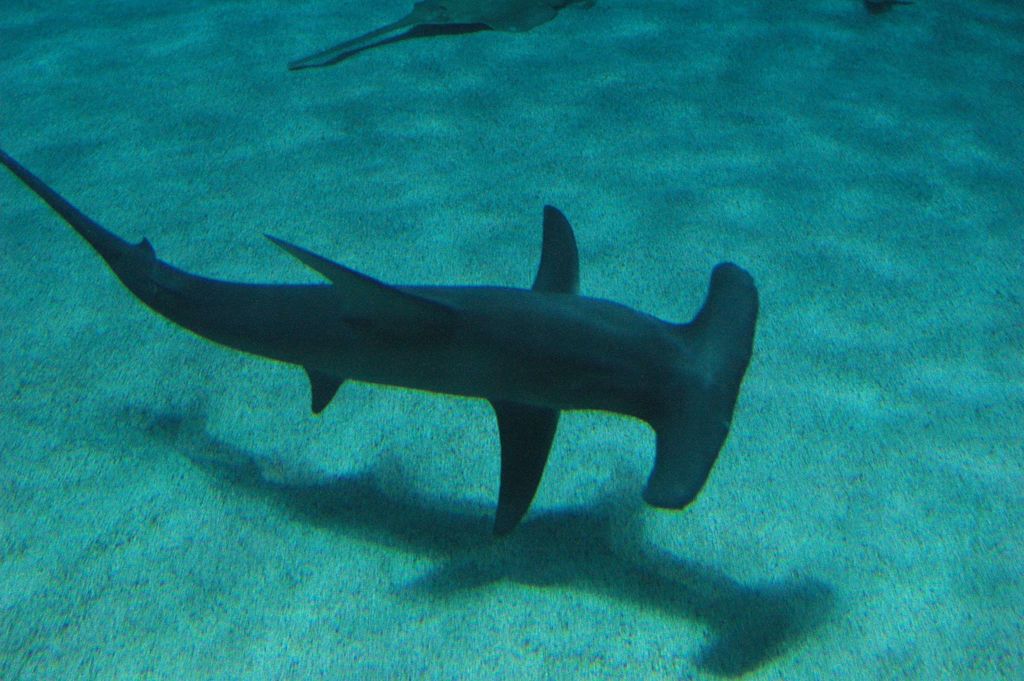
Great hammerheads patrol warm coastal waters and continental shelves worldwide as solitary apex hunters. Their wide, flat heads double as sensory platforms packed with electroreceptors to detect stingrays buried in sediment, which they pin down using the hammer itself before feeding. A remarkably tall, sickle-shaped dorsal fin cuts through shallow lagoons during nomadic hunting trips that can span thousands of kilometers.
Apex PredatorMarine
—observations
—countries
—peak records
Critically EndangeredConservation statusIUCN Red List categoriesLCNTVUENCREWEXCritically EndangeredRed List categories, explained →
Diet & preySouthern Stingray, Bony Fish, Smaller Sharks
Predators
- Killer Whale
- Larger Sharks
ThreatsOverfishing, shark finning, target and accidental bycatch
HabitatsCoastal waters, continental shelves, coral reefs, deep offshore waters
Life span30–44 years
Classification
- OrderCarcharhiniformes
- FamilySphyrnidae
- GenusSphyrna
- SpeciesSphyrna mokarran
Range data is not available yet.
Interaction riskHigh
- Low
- Moderate
- High
- Very high
- Why interaction risk is high
- Large apex predator capable of severe bites; maintain a safe distance while diving.
- Why it is dangerous
- Capable of inflicting severe wounds due to massive jaws, sharp teeth, and apex hunting capabilities.
- How to recognize a risky encounter
- Identified by an almost straight front edge on its wide hammerhead and a very tall, sickle-shaped first dorsal fin.
- What to do
- Exit the water calmly if a shark exhibits aggressive behavior; never attempt to feed or touch.
- What to notice
- Recognized by its tall dorsal fin and distinctive, wide T-shaped head swimming along coastal drop-offs.
- Support conservation
- Report sightings to shark research programs and avoid supporting unregulated shark diving or trophy fishing.
Responsible observation
- Observe from Distance: Maintain respectful space while diving and never corner or block a free-swimming shark.
- Avoid Spearfishing Nearby: Carrying struggling fish attracts predatory sharks and triggers competitive feeding behavior.
- Support Conservation: Choose sustainable seafood choices to minimize accidental shark bycatch in longline fisheries.
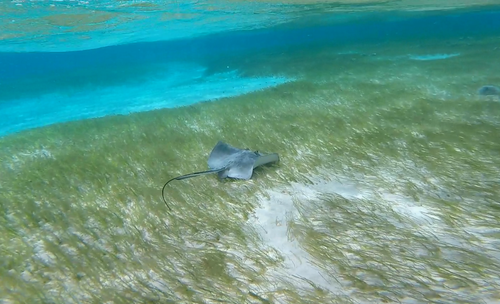
Favored Prey (c) Luciano Massa, some rights reserved (CC BY), uploaded by Luciano Massa · cc-by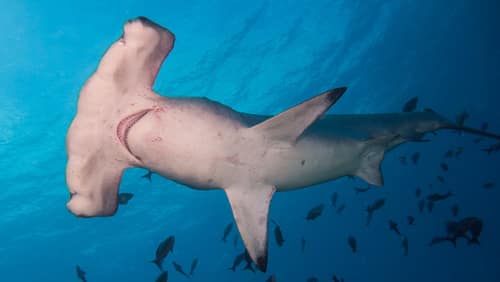
Close Relative (c) Kris Mikael Krister, some rights reserved (CC BY) · cc-by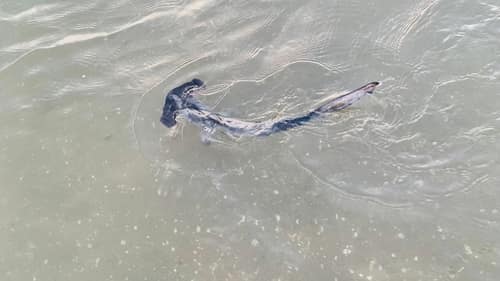
Close Relative (c) Shaun Lee, some rights reserved (CC BY) · cc-by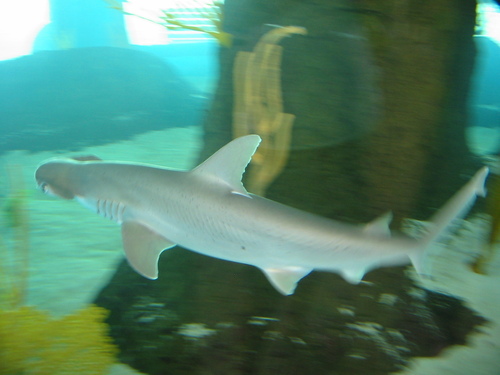
Close Relative (c) Will Pittenger, some rights reserved (CC BY-SA) · cc-by-sa
Keep collecting in Fauna
Found in Collections
Species set Pro
Ocean Creatures
Great Hammerhead is found in this collection. Identify it in Fauna to fill this slot and continue your progress.
Unlock to track progress
Help improve the field guideSomething wrong?
Checking your Fauna account…Report a name, category, or profile issue for review.