
Fish
Whitetip Reef Shark
Triaenodon obesusAlso known as Blunt-head Shark, Whitetip Shark
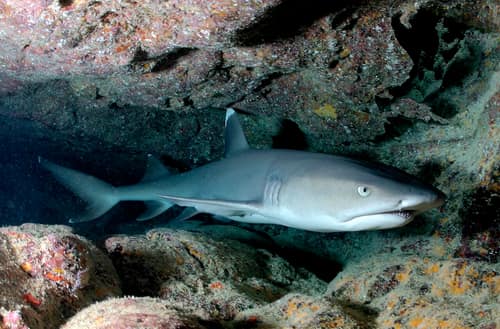
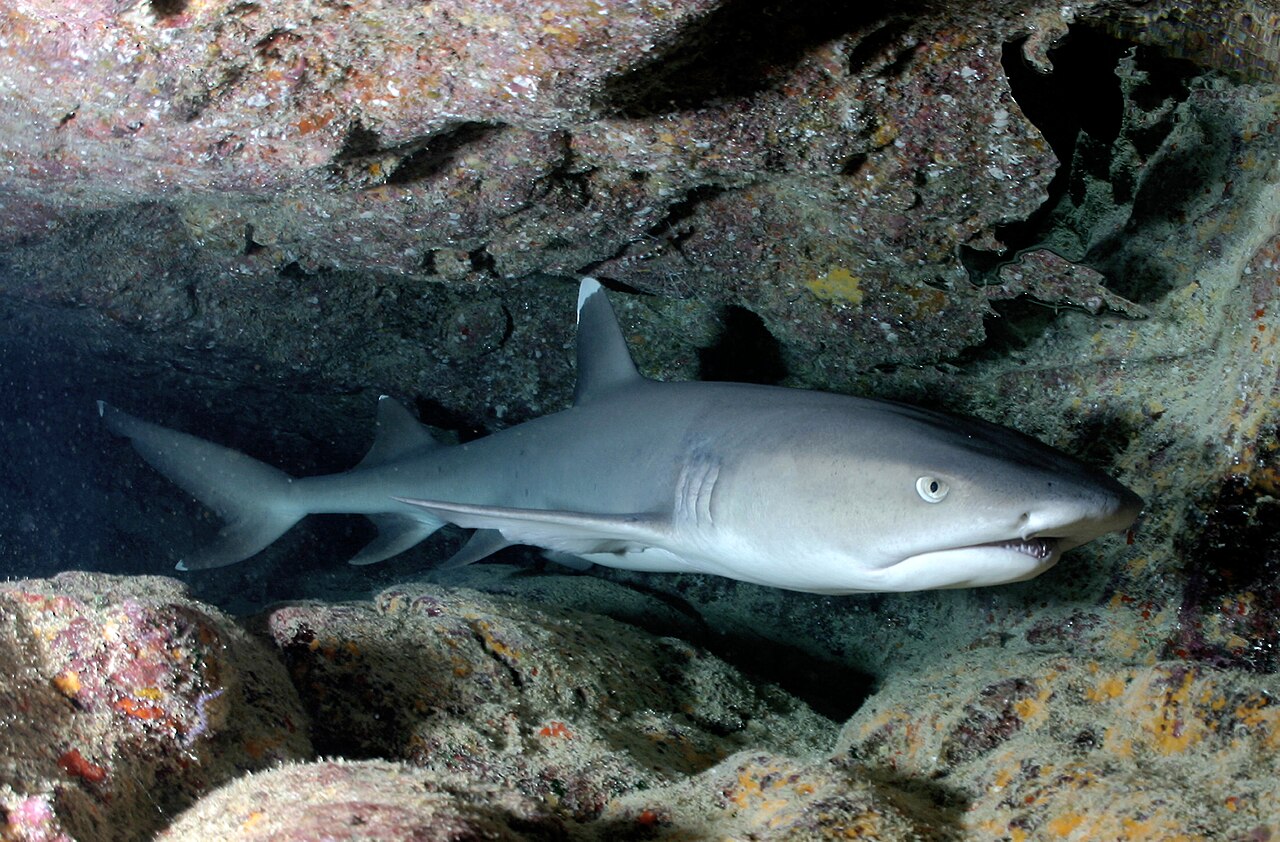
Whitetip reef sharks are agile, bottom-dwelling predators easily recognized by the brilliant white tips on their dorsal and tail fins. Unlike many open-water sharks, they can actively pump water over their gills, allowing them to rest motionlessly on the seabed or inside dark reef caves during the day. At night, they weave through narrow coral crevices in small groups, flushing out sleeping fish and octopuses from tight hiding spots.
Coral ReefNocturnalCarnivore
—observations
—countries
—peak records
VulnerableConservation statusIUCN Red List categoriesLCNTVUENCREWEXVulnerableRed List categories, explained →
Diet & preyDamselfish, Octopus, Crabs
Predators
- Tiger Shark
- Galapagos Shark
- Giant Grouper
ThreatsOverfishing, coral habitat degradation, accidental bycatch
HabitatsCoral reefs, lagoons, shallow coastal slopes
Life span20–25 years
Classification
- OrderCarcharhiniformes
- FamilyCarcharhinidae
- GenusTriaenodon
- SpeciesTriaenodon obesus
Range data is not available yet.
Interaction riskHigh
- Low
- Moderate
- High
- Very high
- Why interaction risk is high
- Generally placid toward divers, but capable of biting if cornered, baited, or harassed.
- Why it is dangerous
- Sharp teeth and powerful jaws can inflict serious puncture wounds if the shark is cornered, baited, or harassed.
- How to recognize a risky encounter
- Slender grey body, short broad snout, and conspicuous white tips on the first dorsal and upper tail fins.
- What to do
- Give resting sharks space in caves, maintain a safe distance while diving, and never attempt to feed or touch them.
- What to notice
- Slender reef-dwelling shark with conspicuous white tips on dorsal and tail fins, often resting on sandy seabed floors.
- Support conservation
- Avoid approaching resting individuals in caves, minimize torch light directly in their eyes, and respect marine protected area rules.
Responsible observation
- Cave Etiquette: Avoid blocking cave entrances where sharks rest during daylight hours to prevent stress.
- Night Diving: Observe foraging behavior using diffused dive lights, avoiding direct beams in their eyes.
- Safe Observation: Maintain a calm posture in the water and avoid making sudden movements or trailing speared fish.
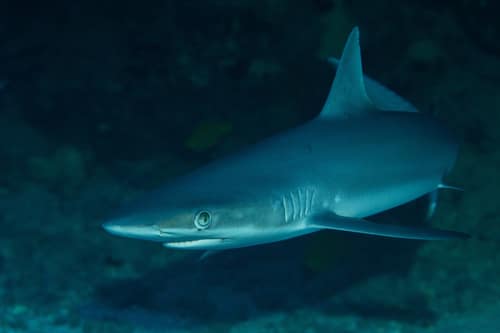
Competitor (c) cello caruso-turiello, some rights reserved (CC BY) · cc-by
Reef Companion (c) Daniel Benák, some rights reserved (CC BY), uploaded by Daniel Benák · cc-by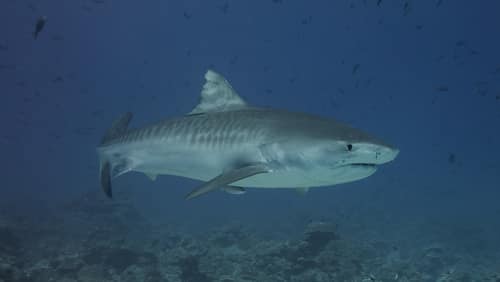
Predator (c) Kris-Mikael Krister, some rights reserved (CC BY) · cc-by
Close Relative Rickard Zerpe / CC BY 2.0 · CC BY 2.0
Keep collecting in Fauna
Found in Collections
Species set Pro
Ocean Creatures
Whitetip Reef Shark is found in this collection. Identify it in Fauna to fill this slot and continue your progress.
Unlock to track progress
Help improve the field guideSomething wrong?
Checking your Fauna account…Report a name, category, or profile issue for review.