
Fish
Bull Shark
Carcharhinus leucasAlso known as Zambezi Shark, Lake Nicaragua Shark, Cub Shark, River Shark
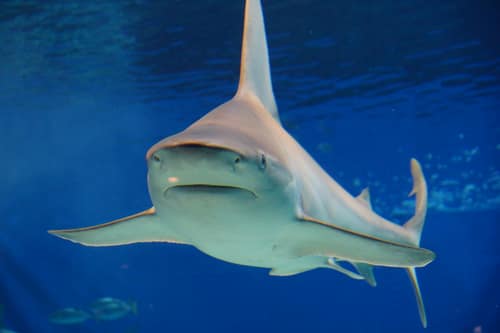
Bull sharks possess special physiological adaptations that enable them to regulate internal salt levels and thrive in pure fresh water thousands of kilometers upriver. Robust bodies and broad snouts suit their opportunistic hunting style in murky estuaries and shallow coastal waters. As apex predators, they balance aquatic ecosystems by consuming a wide array of marine and riverine prey.
PredatorAggressiveFreshwater Capable
—observations
—countries
—peak records
VulnerableConservation statusIUCN Red List categoriesLCNTVUENCREWEXVulnerableRed List categories, explained →
Diet & preyBony Fish, Rays, Sea Turtles
Predators
- Great White Shark
- Tiger Shark
- Killer Whale
ThreatsShark culling, fishing pressure, habitat degradation, bycatch
HabitatsWarm coastal waters, estuaries, bays, brackish and freshwater rivers
Life span16–30 years
Classification
- OrderCarcharhiniformes
- FamilyCarcharhinidae
- GenusCarcharhinus
- SpeciesCarcharhinus leucas
Range data is not available yet.
Interaction riskHigh
- Low
- Moderate
- High
- Very high
- Why interaction risk is high
- Potentially dangerous apex predator in shallow waters; maintain a safe distance and leave the water if sighted.
- Why it is dangerous
- Possesses powerful jaws and serrated teeth capable of inflicting severe bites, often hunting in shallow or turbid waters with low visibility.
- How to recognize a risky encounter
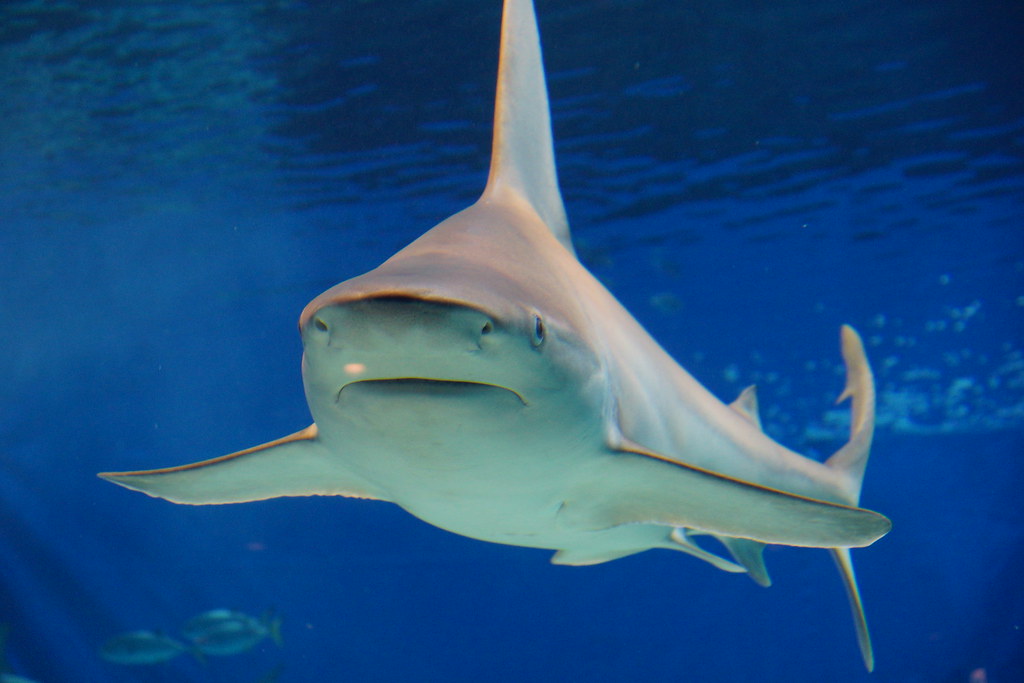
- Look for a stocky grey body, broad flat snout, small eyes, and a lack of an interdorsal ridge along the back.
- What to do
- Never approach in the water, avoid swimming near river mouths, and exit the water calmly if one is detected.
- What to notice
- Recognizable by its heavy build and presence in shallow estuaries, lower river reaches, and warm shorelines.
- Support conservation
- Support marine protected areas and avoid supporting non-sustainable shark fishing or culling practices.
Responsible observation
- Observe from Above: View safely from boats, piers, or aerial drones without entering the water.
- Water Safety: Avoid swimming at dawn, dusk, or in murky estuarine waters where hunting is active.
- Give Distance: Exit the water calmly and immediately if a large shark is spotted nearby.
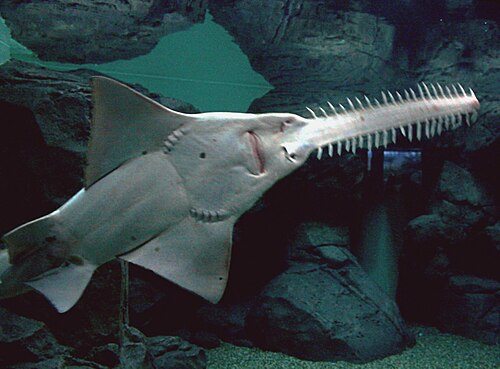
Habitat Neighbor J. Patrick Fischer / CC BY-SA 3.0 · cc-by-sa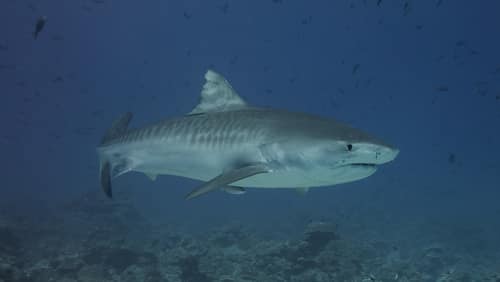
Close Relative (c) Kris-Mikael Krister, some rights reserved (CC BY) · cc-by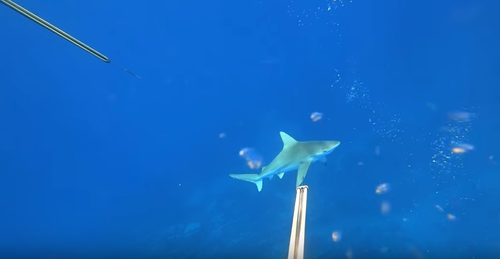
Close Relative (c) biodiversitygr, some rights reserved (CC BY) · cc-by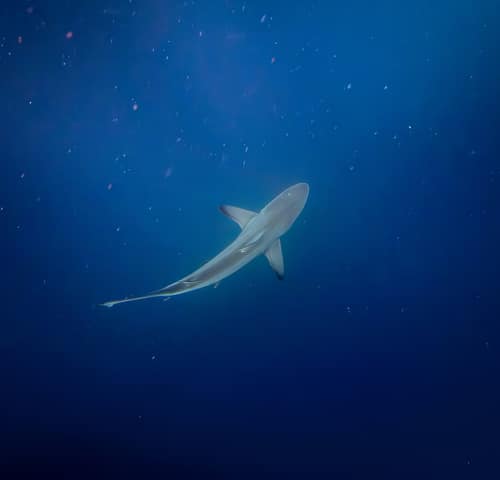
Close Relative (c) Chris Kirby-Lambert, some rights reserved (CC BY) · cc-by
Keep collecting in Fauna
Found in Collections
Species set Pro
Ocean Creatures
Bull Shark is found in this collection. Identify it in Fauna to fill this slot and continue your progress.
Unlock to track progress
Help improve the field guideSomething wrong?
Checking your Fauna account…Report a name, category, or profile issue for review.