
Species
Northern Puffer
Sphoeroides maculatusAlso known as Sugar Toad, Blowfish, Sea Squab, Chicken of the Sea
Northern puffers inhabit shallow coastal waters along the western Atlantic, using fused beak-like teeth to crush hard-shelled invertebrates. When threatened, they inflate their bodies with water or air to swell into a spiny sphere that deters predators. Yellowish-brown skin marked with dark vertical slashes and tiny prickles gives them a distinct mottled appearance as they forage along sandy bays and estuaries.
CoastalMarineDefensive
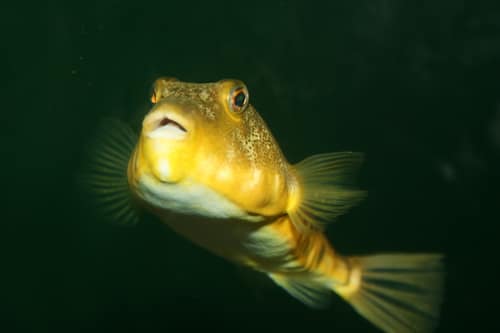
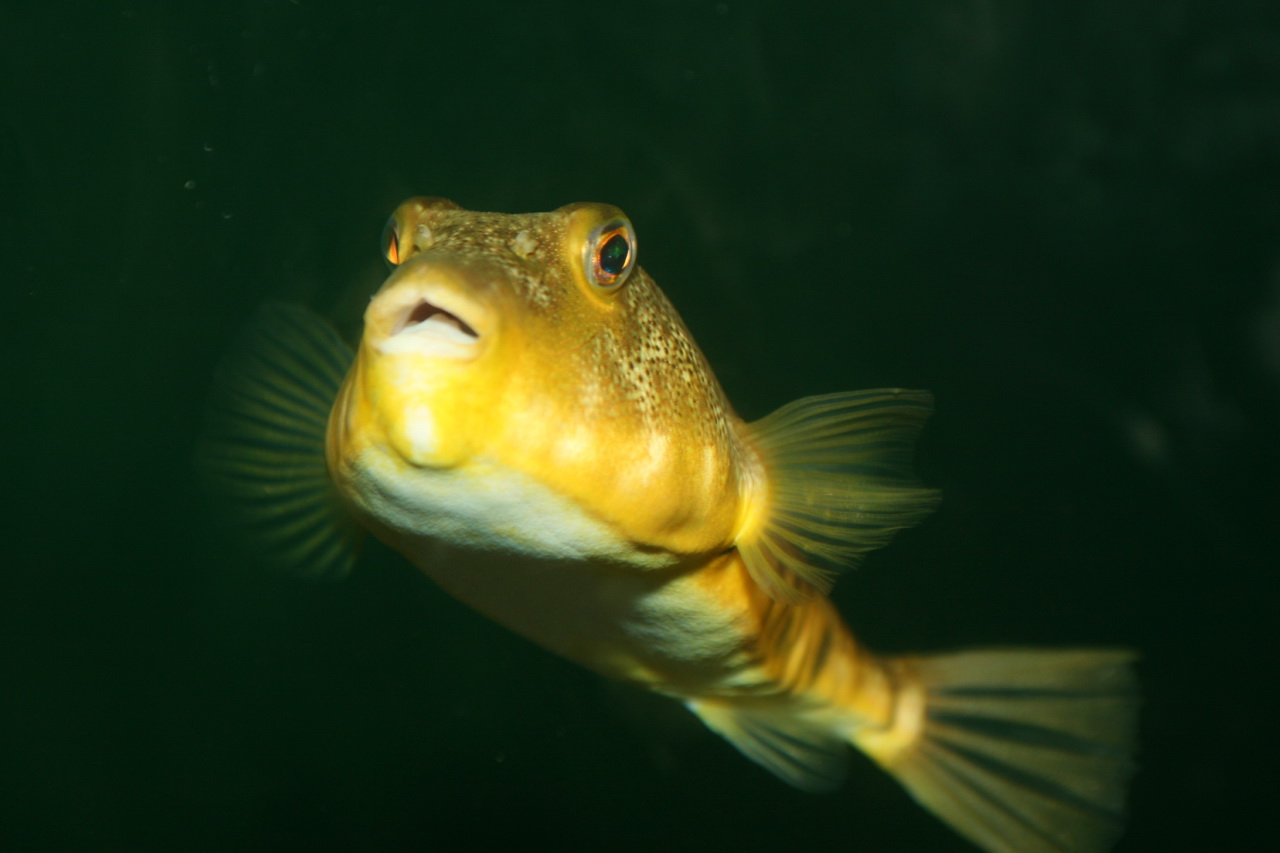
—observations
—countries
—peak records
Least ConcernConservation statusIUCN Red List categoriesLCNTVUENCREWEXLeast ConcernRed List categories, explained →
Diet & preyClams, Mussels, Crabs
Predators
- Sharks
- Large seabirds
- Predatory fish
ThreatsCoastal habitat degradation, accidental catch, localized overfishing
HabitatsBays, estuaries, shallow coastal waters, seagrass beds
Life span5–10 years
Classification
- FamilyTetraodontidae
- SpeciesSphoeroides maculatus
Range data is not available yet.
Interaction riskHigh
- Low
- Moderate
- High
- Very high
- Why interaction risk is high
- Skin and internal organs carry low levels of tetrodotoxin, so eat only the flesh; handle carefully to avoid powerful bites.
- Why it is dangerous
- Viscera and skin can carry low levels of tetrodotoxin, so only the flesh is eaten, while fused jaw plates can deliver a painful bite.
- How to recognize a risky encounter
- Look for a club-shaped body covered in small prickles, yellowish-brown coloration with dark vertical bands, and a beak-like tooth plate.
- What to do
- Unhook captured fish carefully using pliers, keeping fingers away from the mouth and avoiding ingestion of non-flesh parts.
Responsible observation
- Handling Precautions: Use long-nosed pliers to remove hooks, as their fused teeth can easily nip fingertips.
- Observation Methods: Watch them in shallow clear bays as they hover near the seabed hunting for buried shellfish.
- Release Etiquette: Return inflated fish to the water quickly so they can burp out air and swim down safely.
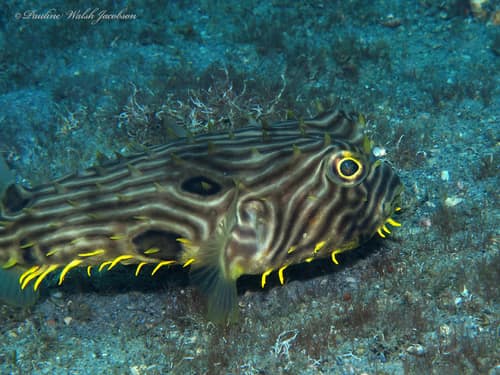
Frequent Companion (c) Pauline Walsh Jacobson, some rights reserved (CC BY), uploaded by Pauline Walsh Jacobson · cc-by Image unavailable
Close Relative Close Relative 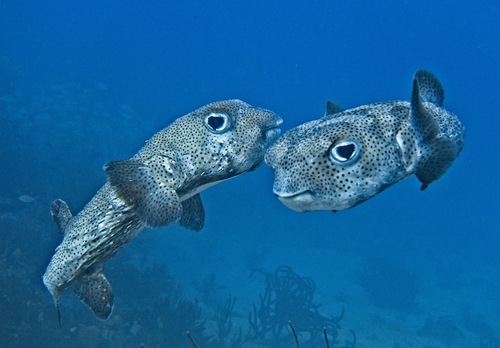
Close Relative (c) Matteo Cassella, some rights reserved (CC BY-SA), uploaded by Matteo Cassella · cc-by-sa
Help improve the field guideSomething wrong?
Checking your Fauna account…Report a name, category, or profile issue for review.