
Species
Guinean Barracuda
Sphyraena afraAlso known as West African Barracuda
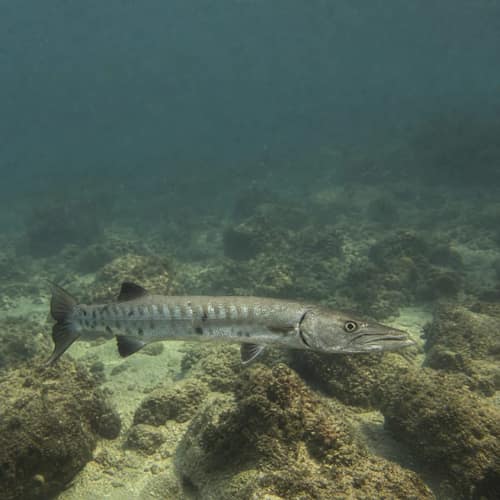
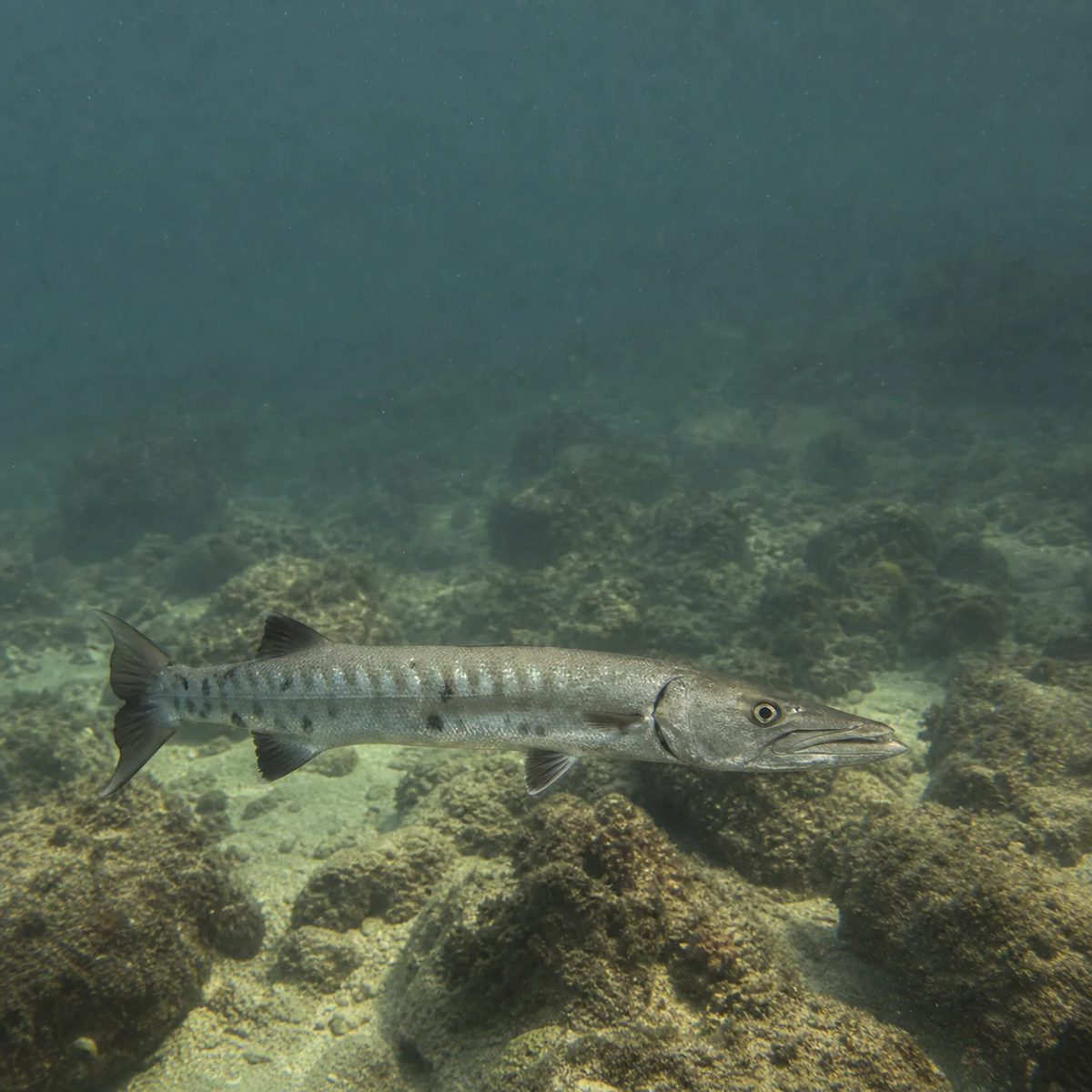
Guinean barracudas are powerful ambush predators patrolling coastal waters, lagoons, and continental shelf depths along West Africa. Armed with formidable knife-like teeth and streamlined, torpedo-shaped bodies, they execute sudden, high-speed bursts to seize schooling fish. While adults often hunt solitary runs in offshore waters, juveniles tend to gather in protective mangrove estuaries and sheltered coastal bays.
PredatorMarinePiscivore
—observations
—countries
—peak records
Data DeficientConservation statusIUCN Red List categoriesLCNTVUENCREWEXData Deficient — not placed on the risk ladderRed List categories, explained →
Diet & preyMullet, Sardines, Penaeid shrimp
Predators
- Large sharks
- Dolphins
ThreatsCommercial trawling, artisanal fisheries, and coastal habitat degradation
HabitatsCoastal marine waters, continental shelves, estuaries, and brackish lagoons down to 75 meters
Life span10–15 years
Classification
- FamilySphyraenidae
- SpeciesSphyraena afra
Range data is not available yet.
Interaction riskLow
- Low
- Moderate
- High
- Very high
- Why interaction risk is low
- Large individuals have powerful jaws and sharp teeth; avoid spearfishing or handling them in the water.
- Why it is dangerous
- Possesses razor-sharp, double-edged teeth and immense jaw force capable of inflicting deep, tearing lacerations.
- How to recognize a risky encounter
- Recognizable by an elongated silvery body marked with dark vertical chevrons and a prominent, jutting lower jaw.
- What to do
- Do not corner or touch when diving, and keep hands well clear of the mouth if handling an landed catch.
Responsible observation
- Diving Etiquette: Maintain a respectful distance and avoid carrying shiny metallic objects that can mimic struggling prey.
- Angler Safety: Use long pliers and wire traces when unhooking catches to prevent severe lacerations from their razor-sharp teeth.
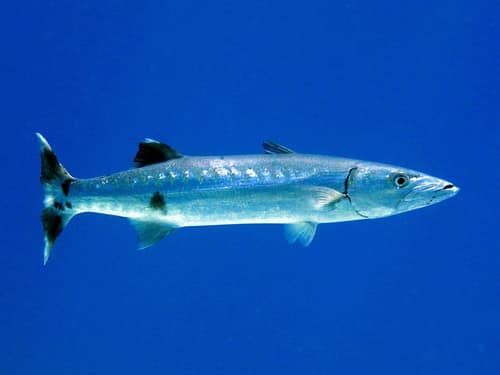
Same Genus Hectonichus / CC BY-SA 4.0 · CC BY-SA 4.0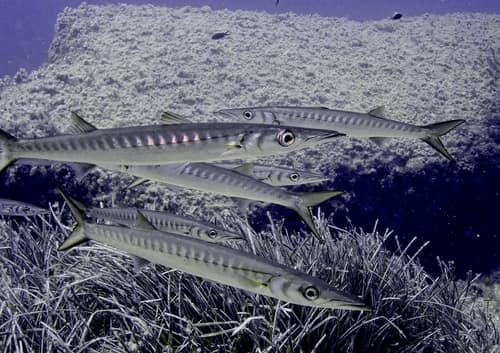
Same Genus Lars Behnke / CC BY 2.0 · CC BY 2.0 Image unavailable
Same Genus 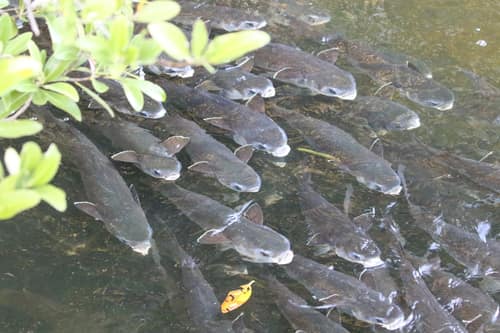
Prey no rights reserved, uploaded by Henggang Cui · cc0
Help improve the field guideSomething wrong?
Checking your Fauna account…Report a name, category, or profile issue for review.