
Species
Japanese Barracuda
Sphyraena japonicaAlso known as Japanese Seapike
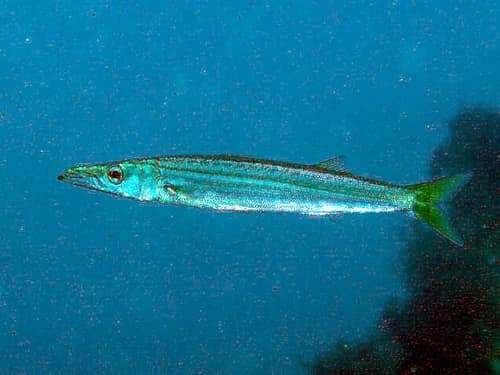
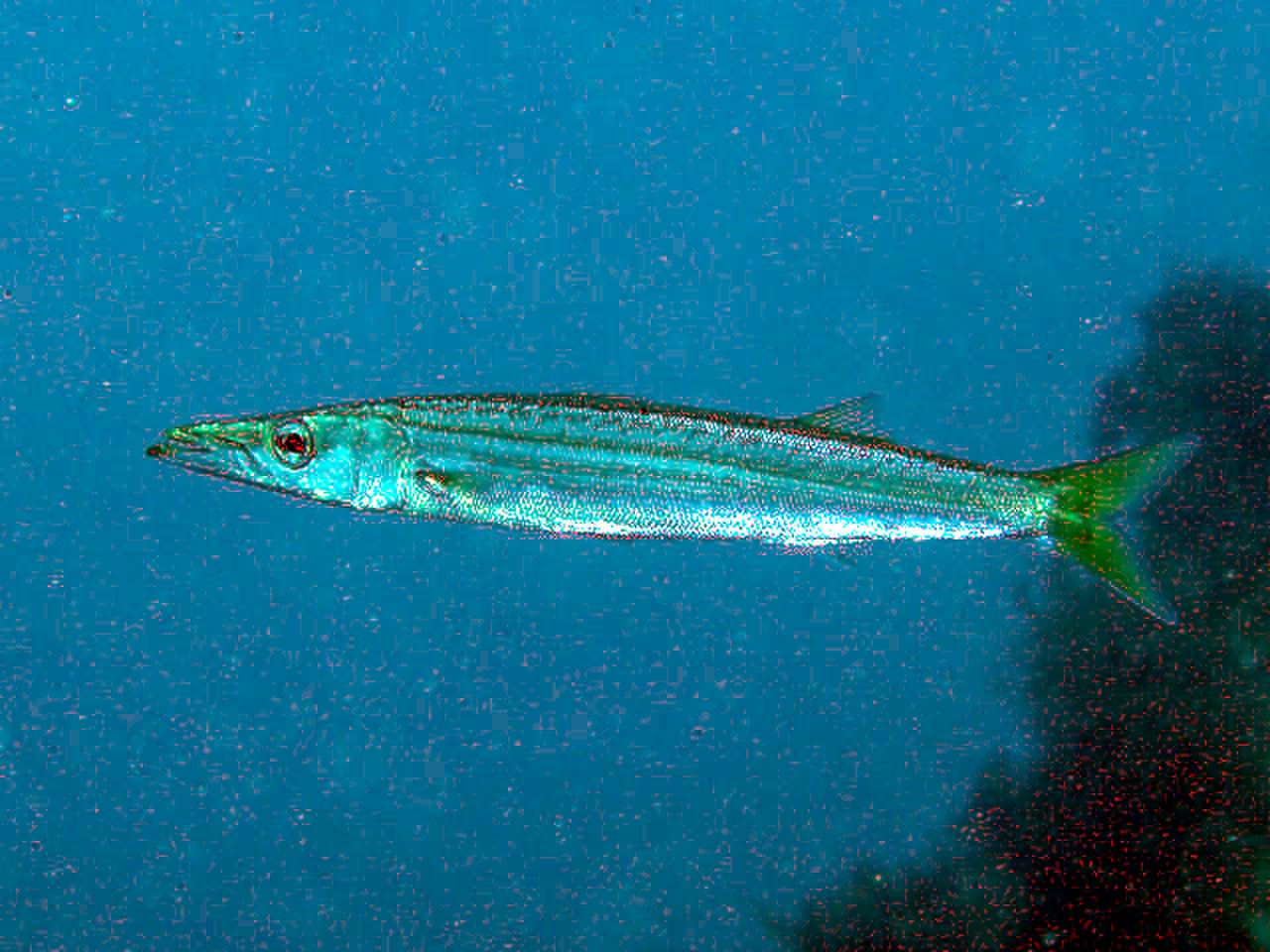
Japanese barracudas are sleek, torpedo-shaped hunters that patrol warm coastal shallows and continental shelf edges in small, coordinated schools. Equipped with an underslung lower jaw and a battery of razor-sharp teeth, they ambush prey with explosive bursts of speed before wheeling around to devour stunned baitfish. Highly valued in regional coastal fisheries across East Asia, they serve as an essential ecological bridge between small schooling fishes and larger pelagic predators.
MarinePredatorySchooling
—observations
—countries
—peak records
Data DeficientConservation statusIUCN Red List categoriesLCNTVUENCREWEXData Deficient — not placed on the risk ladderRed List categories, explained →
Diet & preyJapanese anchovy, Pacific sardine, Squid
Predators
- Pelagic sharks
- Tunas
- Dolphins
ThreatsCommercial netting, targeted angling pressure, and coastal habitat loss
HabitatsCoastal bays, rocky reefs, shallow estuaries, and open neritic waters
Life span5–10 years
Classification
- FamilySphyraenidae
- SpeciesSphyraena japonica
Range data is not available yet.
Interaction riskLow
- Low
- Moderate
- High
- Very high
- Why interaction risk is low
- Equipped with razor-sharp teeth that inflict deep lacerations; use unhooking pliers and avoid handling directly.
- Why it is dangerous
- Equipped with large, knife-edged teeth set along both jaws that can easily puncture skin and slice deep into muscle tissue when the fish thrashes.
- How to recognize a risky encounter
- Look for an elongate, silvery cylindrical body, two widely separated dorsal fins, and a prominent jutting lower jaw.
- What to do
- Never grab a live fish near the gills or mouth with bare hands; immobilize it gently with a wet towel and control the head.
Responsible observation
- Diving Etiquette: Avoid wearing flashing metallic jewelry or reflective gear, as glinting light can trigger an exploratory strike.
- Angling Safety: Always use long-handled pliers or a lip grip when unhooking fish to keep hands clear of their sharp teeth.
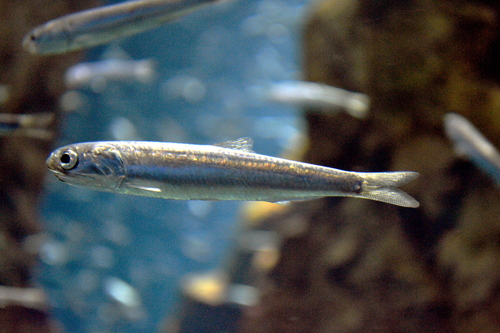
Prey (c) Kingfisher, some rights reserved (CC BY-SA) · cc-by-sa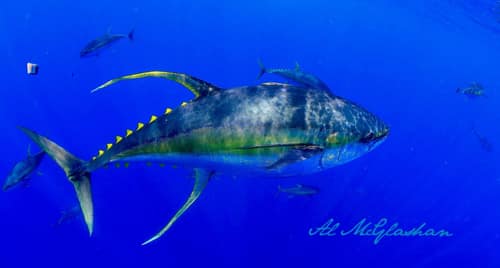
Predator (c) Almcglashan, some rights reserved (CC BY-SA) · cc-by-sa Image unavailable
Close Relative 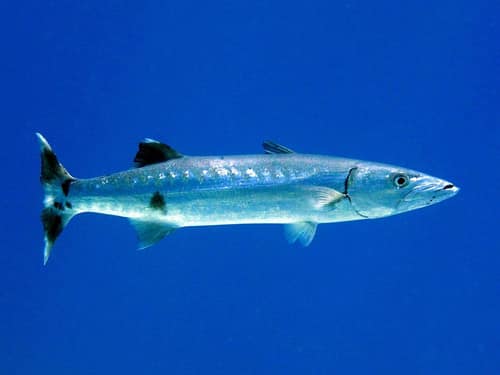
Close Relative Hectonichus / CC BY-SA 4.0 · CC BY-SA 4.0
Help improve the field guideSomething wrong?
Checking your Fauna account…Report a name, category, or profile issue for review.