
Species
Princess Parrotfish
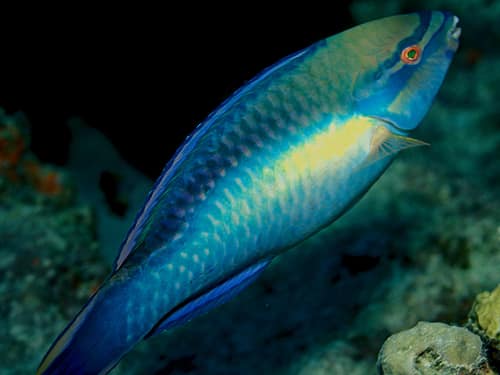
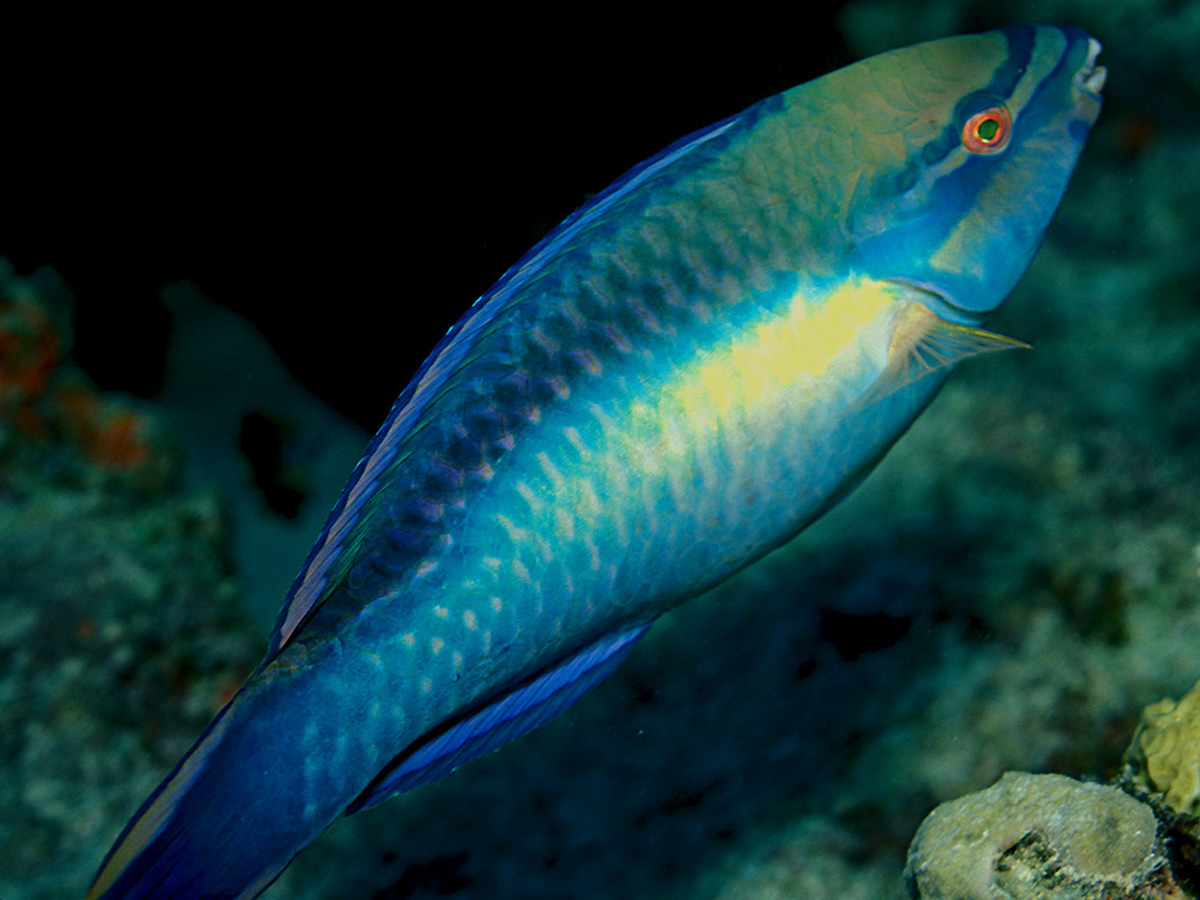
Scarus taeniopterusPrincess parrotfish cruise vibrant coral reefs and sandy shallows, using fused, beak-like dental plates to scrape turf algae and detritus from limestone rock. They are protogynous hermaphrodites that begin adult life as brown-and-white striped females before dominant individuals transition into brilliantly colored blue, turquoise, and yellow terminal-phase males. At night, individuals seek crevices in the reef and secrete a transparent mucus envelope that masks their scent from nocturnal predators like moray eels.
Reef FishDiurnalHerbivore
—observations
—countries
—peak records
Least ConcernConservation statusIUCN Red List categoriesLCNTVUENCREWEXLeast ConcernRed List categories, explained →
Diet & preyFilamentous algae, Microscopic detritus, Encrusting cyanobacteria
Predators
- Great Barracuda
- Spotted Moray
- Blacktip Reef Shark
ThreatsCoral reef degradation, warming ocean temperatures, and coastal runoff
HabitatsCoral reefs, patch reefs, and adjacent sandy seagrass beds
Life span5–9 years
Classification
- FamilyScaridae
- SpeciesScarus taeniopterus
Range data is not available yet.
Interaction riskLow
- Low
- Moderate
- High
- Very high
- Why interaction risk is low
- Safe to observe at a normal distance.
Responsible observation
- Snorkeling Observation: Move slowly above shallow coral ridges, where their audible rasping sound on dead coral gives away their location.
- Reef Etiquette: Maintain neutral buoyancy and never touch the reef substrate, which parrotfish actively graze to keep corals healthy.
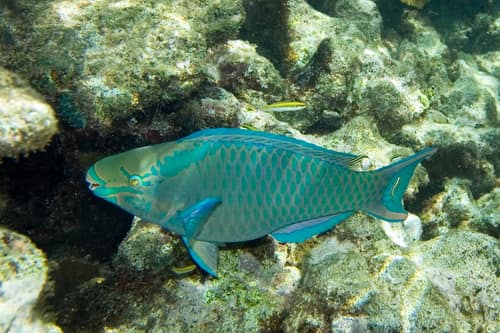
Same Genus "queen parrotfish Scarus vetula terminal phase" by Paul and Jill is licensed under CC BY 2.0. To view a copy of this license, visit https://creativecommons.org/licenses/by/2.0/. · cc-by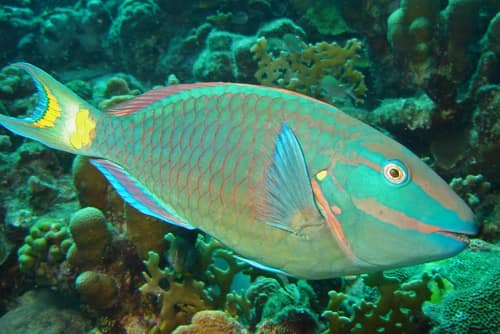
Ecological Competitor Adona9 at English Wikipedia / CC BY-SA 3.0 · cc-by-sa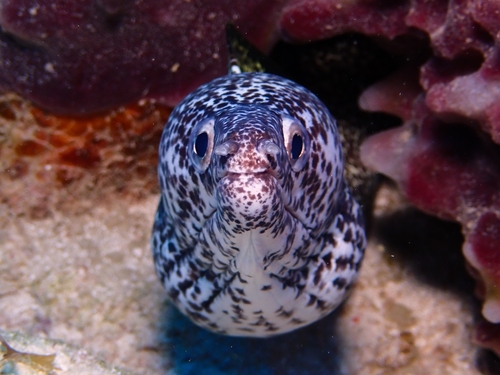
Predator (c) Dan Schofield, some rights reserved (CC BY), uploaded by Dan Schofield · cc-by Image unavailable
Close Relative
Help improve the field guideSomething wrong?
Checking your Fauna account…Report a name, category, or profile issue for review.