
Species
Bumphead Parrotfish
Bolbometopon muricatumAlso known as Green Humphead Parrotfish, Giant Parrotfish, Humphead Parrotfish, Double-headed Parrotfish
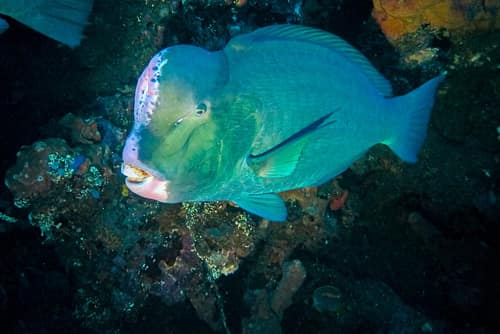
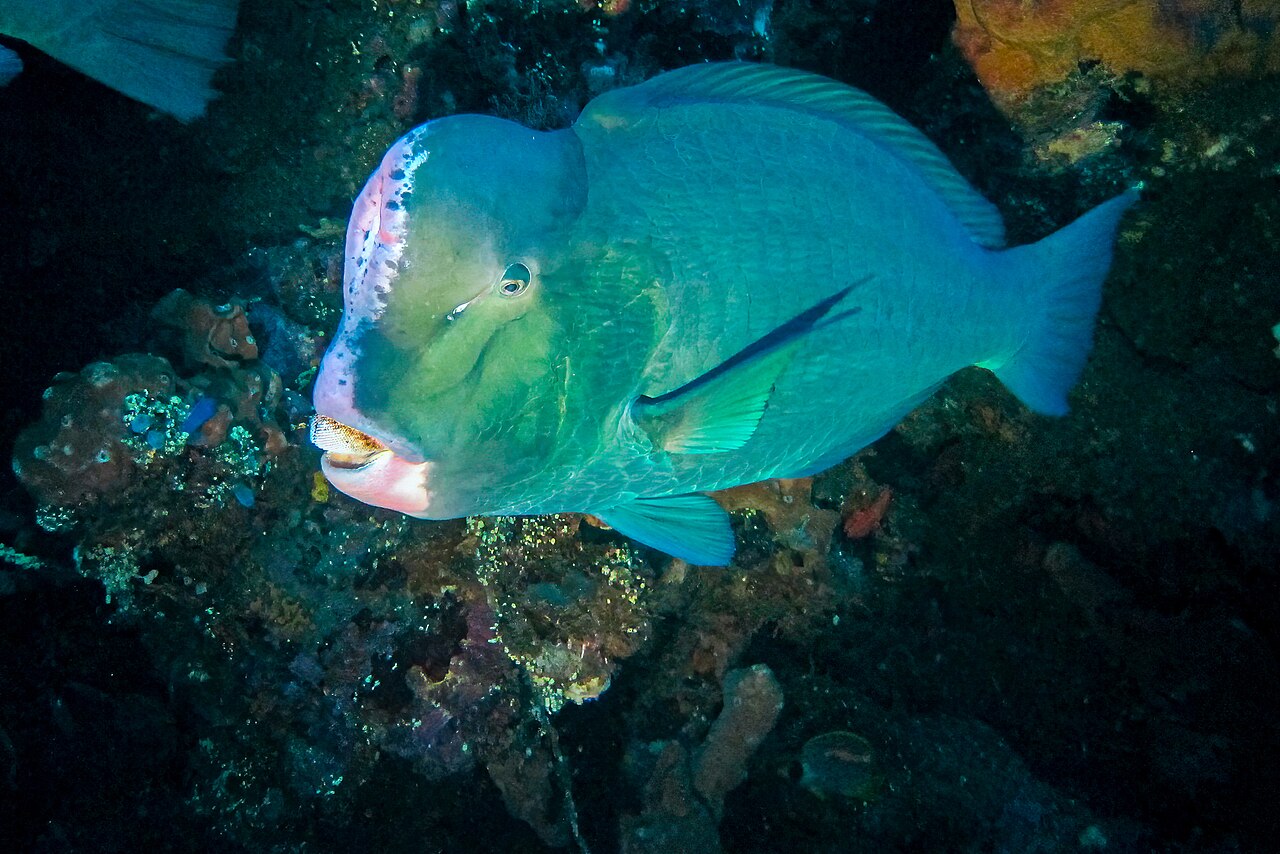
Bumphead parrotfish roam Indo-Pacific coral reefs in social schools, grazing noisily on live coral polyps and microscopic algae. They use their prominent cranial humps to batter branching coral colonies into bite-sized fragments and to headbutt rivals during territorial disputes. Each adult consumes up to five tons of reef structure annually, grinding the limestone skeletons into fine white sand that helps replenish tropical beaches.
MarineThreatenedReef Dweller
—observations
—countries
—peak records
VulnerableConservation statusIUCN Red List categoriesLCNTVUENCREWEXVulnerableRed List categories, explained →
Diet & preyStaghorn Coral, Turf Algae, Coral Polyps
Predators
- Tiger Shark
- Bull Shark
ThreatsNight spearfishing, commercial overharvesting, and coral bleaching
HabitatsOuter coral reef slopes, barrier reefs, and clear lagoons
Life span30–40 years
Classification
- FamilyScaridae
- SpeciesBolbometopon muricatum
Range data is not available yet.
Interaction riskLow
- Low
- Moderate
- High
- Very high
- Why interaction risk is low
- Safe to observe at a normal distance.
- What to notice
- Recognizable by its massive size, slate-green coloration, exposed heavy dental plates, and bulbous forehead hump.
- Support conservation
- Give sleeping individuals a wide berth at night and support marine protected zones that prohibit nighttime spearfishing.
Responsible observation
- Diving Etiquette: Maintain neutral buoyancy and keep a distance of at least 5 meters so feeding schools do not scatter.
- Acoustic Clues: Listen underwater for rhythmic crunching sounds, which often give away grazing schools before visual contact.
- Night Encounters: Avoid shining dive torches directly into reef crevices where solitary individuals sleep at night.
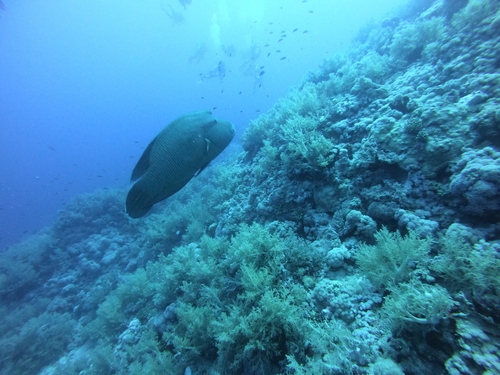
Neighbor (c) Jim Wallace, some rights reserved (CC BY) · cc-by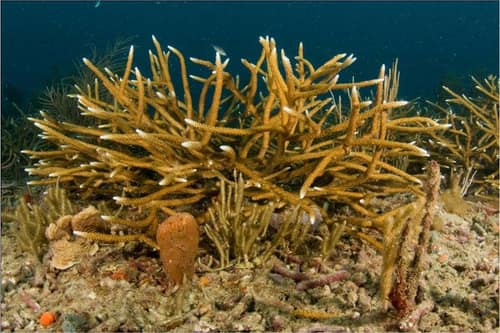
Prey (c) U.S. Fish and Wildlife Service Southeast Region, some rights reserved (CC BY) · cc-by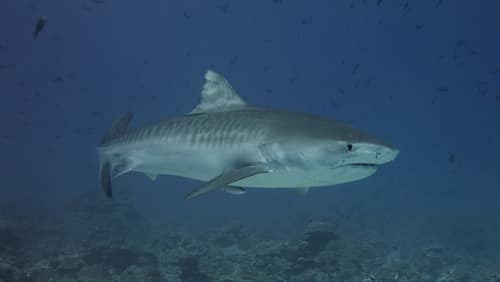
Predator (c) Kris-Mikael Krister, some rights reserved (CC BY) · cc-by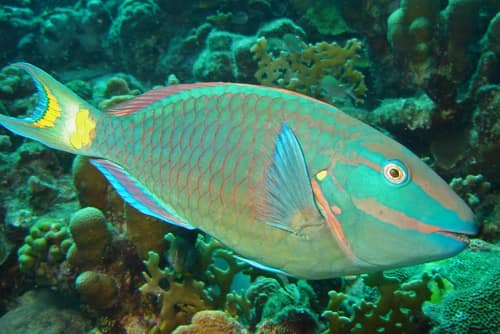
Same Family Adona9 at English Wikipedia / CC BY-SA 3.0 · cc-by-sa
Help improve the field guideSomething wrong?
Checking your Fauna account…Report a name, category, or profile issue for review.