
Species
Purple Tang
Zebrasoma xanthurumAlso known as Yellowtail Tang, Yellowtail Sailfin Tang, Red Sea Sailfin Tang
Deep royal blue to violet bodies contrasting sharply with a bright yellow caudal fin make Purple Tangs unmistakable grazers across northwestern Indian Ocean reefs. Adults patrol reef crests and sunlit drop-offs singly, in bonded pairs, or within loose schools, actively foraging throughout the daylight hours. Specialized spatulate teeth allow them to rasp tough filamentous turf algae directly from limestone skeletons, keeping coral colonies clean and flourishing.
Reef DwellerHerbivorousDiurnal
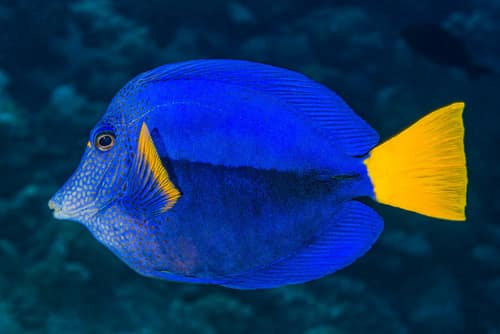
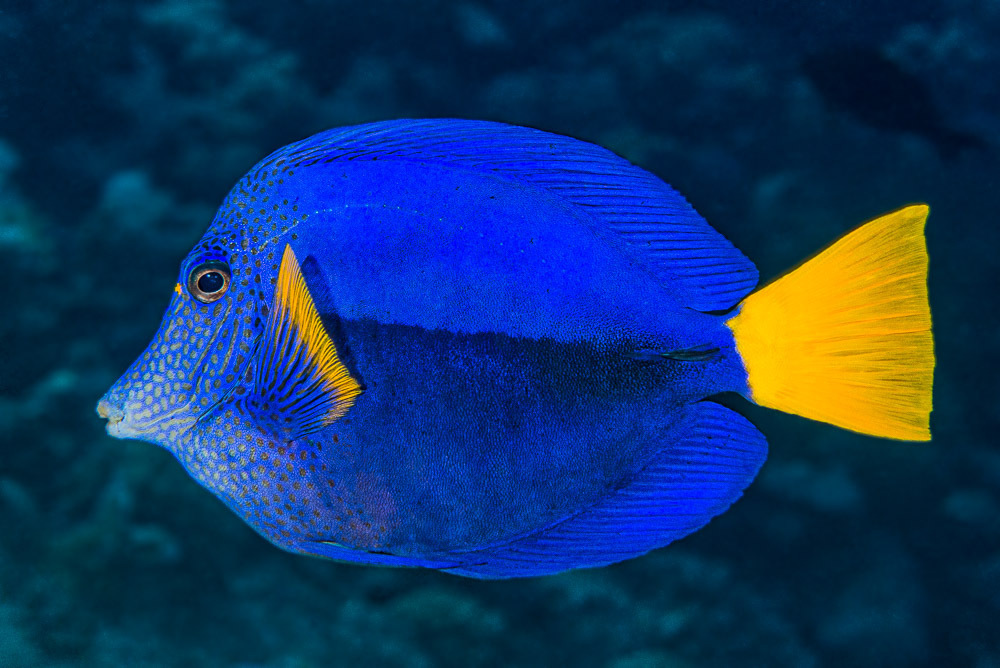
—observations
—countries
—peak records
Least ConcernConservation statusIUCN Red List categoriesLCNTVUENCREWEXLeast ConcernRed List categories, explained →
Diet & preyFilamentous Algae, Macroalgae, Detritus
Predators
- Moray Eels
- Groupers
- Reef Sharks
ThreatsCoral reef degradation, warming ocean temperatures, and aquarium trade collection
HabitatsCoral reef crests, sheltered lagoons, and outer rocky drop-offs
Life span30–45 years
Classification
- FamilyAcanthuridae
- SpeciesZebrasoma xanthurum
Range data is not available yet.
Interaction riskLow
- Low
- Moderate
- High
- Very high
- Why interaction risk is low
- Safe to observe at a normal distance while diving or snorkeling.
Responsible observation
- Reef Etiquette: Give grazing tangs space along the reef crest so they can feed naturally without retreating.
- Diving Observation: Watch along shallow coral bommies during midday when feeding activity is most vigorous.
 Image unavailable
Competitor Neighbor 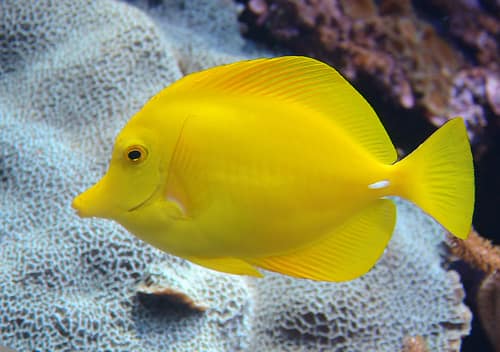
Close Relative (c) User:Amada44, some rights reserved (CC BY) · cc-byClose Relative
Help improve the field guideSomething wrong?
Checking your Fauna account…Report a name, category, or profile issue for review.