Also known as Lemon Sailfin, Yellow Sailfin Tang, Somber Surgeonfish
Vibrant yellow tangs cruise Pacific coral reefs in loose schools, using slender snouts and specialized pharyngeal teeth to crop filamentous turf algae. At dusk, their intense lemon coloration dulls into a subdued grayish tone with a dark central patch, allowing them to blend into reef crevices while resting. By continuously grazing algae that would otherwise smother slow-growing corals, these active grazers serve a vital role in maintaining overall reef health.
Sharp caudal spines near the tail can inflict deep cuts; avoid handling bare-handed.
Why it is dangerous
Each side of the caudal peduncle houses a razor-sharp white modified scale that erects defensively, cutting deeply into skin during sudden tail sweeps.
How to recognize a risky encounter
Recognize this fish by its disc-shaped brilliant yellow body and the small white thorn-like sheath right before the tail fin.
What to do
Observe from a respectful distance while diving or snorkeling, and never grasp the fish around the tail base.
Responsible observation
Snorkeling Etiquette: Maintain a steady, calm presence without crowding them as they feed on reef flats.
Tail Spine Awareness: Never attempt to catch or touch by hand, as defensive tail sweeps can lacerate skin.
Nocturnal Observation: Look into coral crevices with a dim light after dark to spot their muted night coloration.

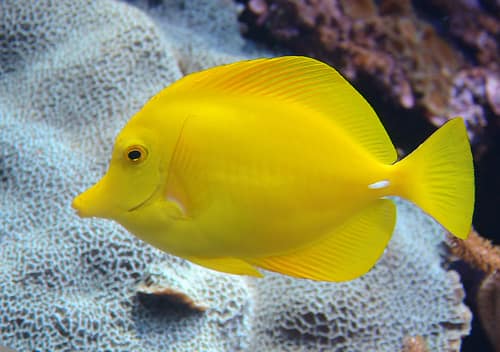
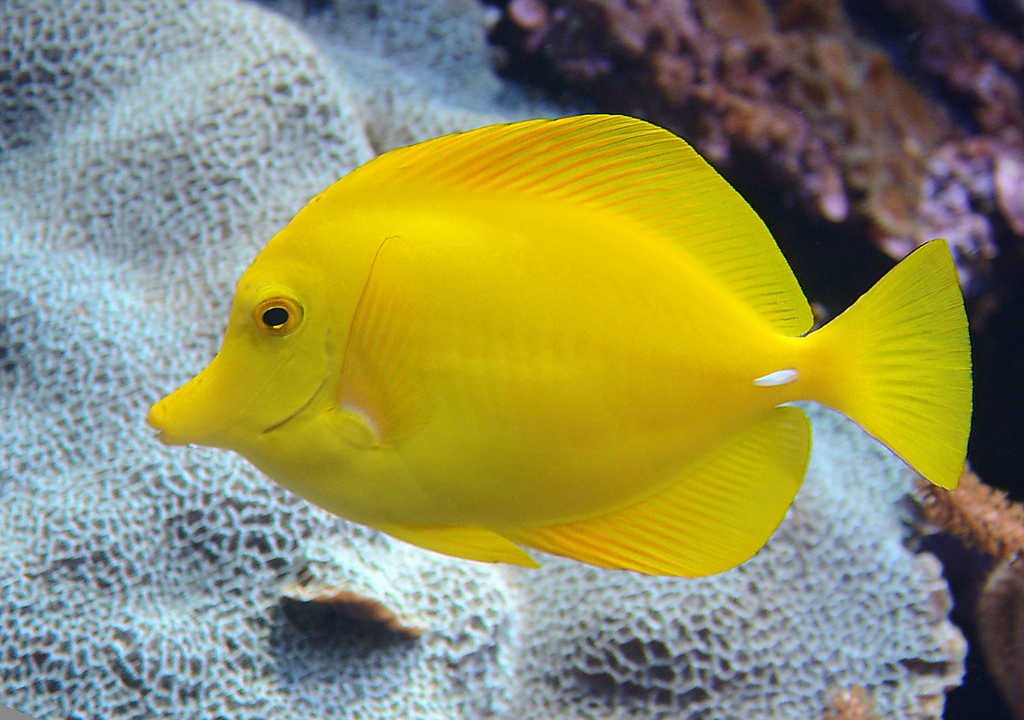
 Image unavailable