
Species
Goldring Surgeonfish
Ctenochaetus strigosusAlso known as Kole Tang, Spotted Bristletooth, Yelloweye Kole Tang, Goldring Bristletooth
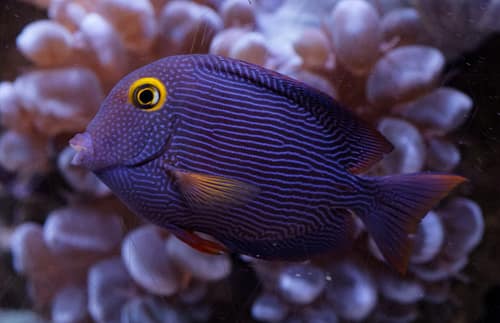
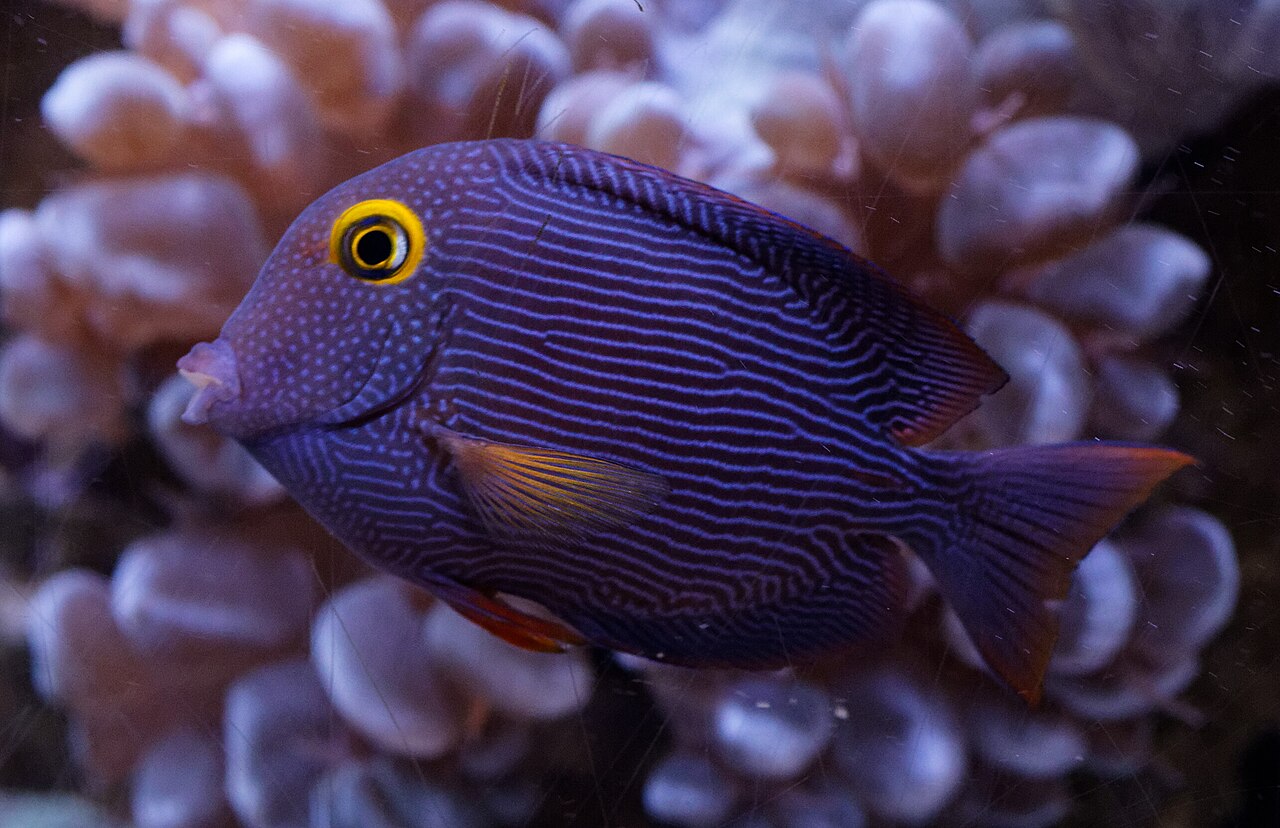
Endemic to the Hawaiian archipelago, goldring surgeonfish glide close against volcanic basalt and live coral, vacuuming up fine organic matter. Instead of sharp cropping teeth, they possess rows of comb-like bristles designed to brush diatom films and microalgal detritus off rock surfaces. Adults maintain small feeding territories or forage in loose aggregations, flashing their unmistakable golden eye rings as they patrol the reef.
Reef DwellerEndemicHerbivore
—observations
—countries
—peak records
Least ConcernConservation statusIUCN Red List categoriesLCNTVUENCREWEXLeast ConcernRed List categories, explained →
Diet & preyOrganic detritus, Diatoms, Filamentous algae
Predators
- Giant trevally
- Whitetip reef shark
- Moray eel
ThreatsCoral reef degradation, warming seas, and aquarium harvesting
HabitatsShallow coral reefs, rocky reef flats, and lagoons
Life span30–35 years
Classification
- FamilyAcanthuridae
- SpeciesCtenochaetus strigosus
Range data is not available yet.
Interaction riskLow
- Low
- Moderate
- High
- Very high
- Why interaction risk is low
- Bears razor-sharp caudal scalpels that cause deep cuts if handled; observe freely from a safe distance.
- Why it is dangerous
- Carries folding, razor-sharp modified scales on the caudal peduncle that slash flesh when thrashing defensively.
- How to recognize a risky encounter
- Recognized by its dark purplish-brown body, bright gold eye ring, and fine blue facial spotting.
- What to do
- Never grab or net this fish with bare hands; if accidentally hooked while fishing, handle using heavy protective gloves.
Responsible observation
- Snorkeling etiquette: Maintain neutral buoyancy and keep your hands off coral to let them graze undisturbed.
- Identification in water: Look for the brilliant yellow ring encircling the eye against a burgundy body.
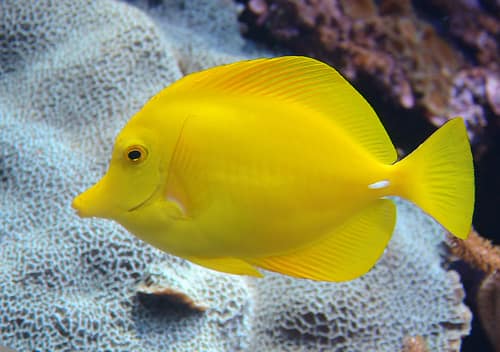
Reef Companion (c) User:Amada44, some rights reserved (CC BY) · cc-by Image unavailable
Same Genus 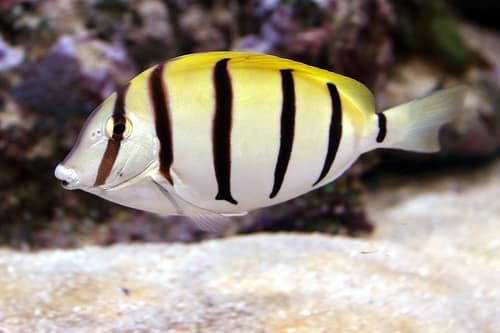
Competitor brian.gratwicke / CC BY 2.0 · cc-by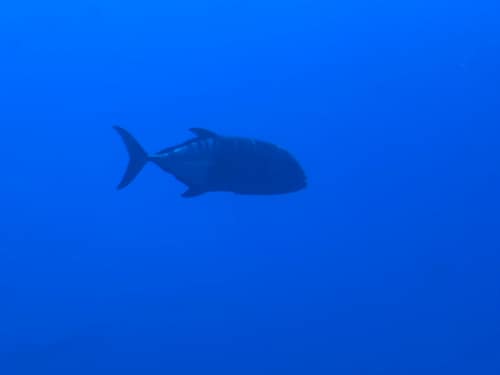
Predator (c) TEAMVALOR786 Succulents and cacti, The future of nature is in your hands, some rights reserved (CC BY) · cc-by
Help improve the field guideSomething wrong?
Checking your Fauna account…Report a name, category, or profile issue for review.