
Invertebrate
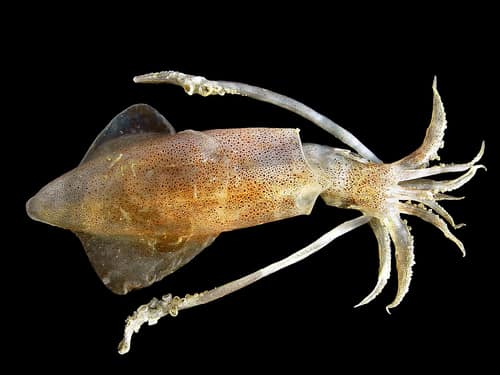
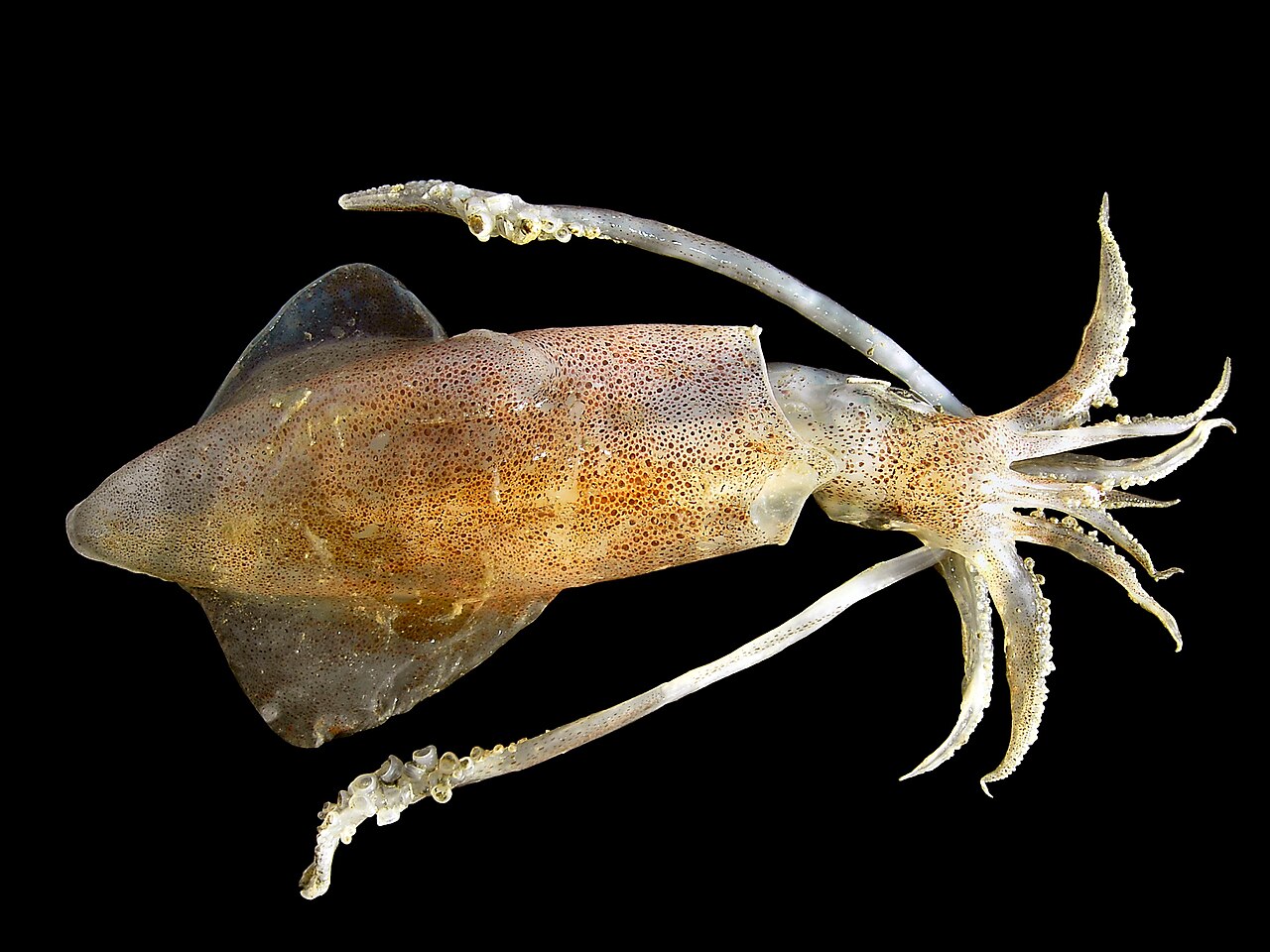
European Squid
Loligo vulgarisAlso known as Common Squid
European squid are agile coastal predators that hunt schooling fish and crustaceans using rapid bursts of jet propulsion and lightning-fast tentacle strikes. They communicate and camouflage through thousands of dermal chromatophores, shifting color patterns in fractions of a second during courtship displays and territorial standoffs. Females deposit sausage-shaped gelatinous egg capsules containing hundreds of embryos onto sandy or rocky substrates in shallow coastal waters before perishing.
MarineCarnivorousPelagic
—observations
—countries
—peak records
Data DeficientConservation statusIUCN Red List categoriesLCNTVUENCREWEXData Deficient — not placed on the risk ladderRed List categories, explained →
Diet & preyEuropean Anchovy, European Pilchard, Brown Shrimp
Predators
- Bottlenose Dolphin
- European Seabass
- Grey Seal
ThreatsCommercial overfishing, bottom trawling, marine pollution, changing water temperatures
HabitatsCoastal waters, continental shelves, sandy bottoms, open sea
Life span1–2 years
Classification
- FamilyLoliginidae
- SpeciesLoligo vulgaris
Range data is not available yet.
Interaction riskLow
- Low
- Moderate
- High
- Very high
- Why interaction risk is low
- Harmless to swimmers and divers; observe quietly without cornering or handling.
Responsible observation
- Night Diving: Bring an underwater torch to watch them hunt, as lights frequently attract their prey.
- Gentle Distance: Avoid chasing schools, which triggers rapid escape jets and defensive ink clouds.
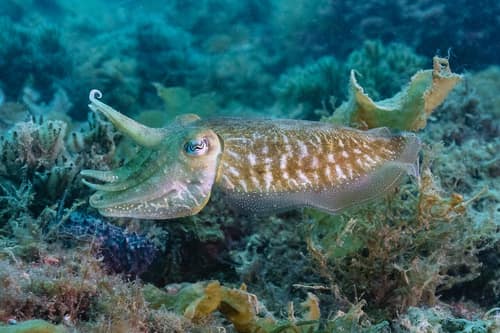
Ecological Neighbor Diego Delso / CC BY-SA 4.0 · cc-by-sa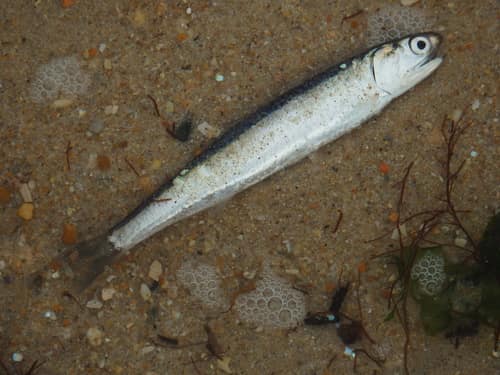
Prey (c) Duarte Frade, some rights reserved (CC BY), uploaded by Duarte Frade · cc-by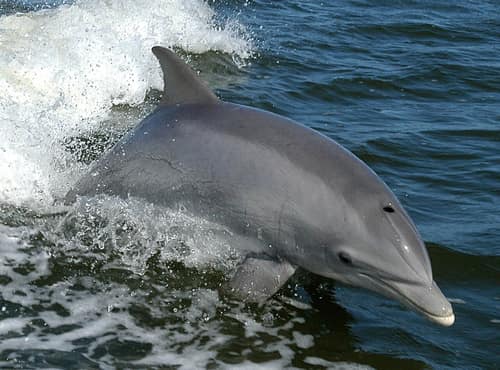
Predator NASA / Public domain · cc0 Image unavailable
Close Relative
Help improve the field guideSomething wrong?
Checking your Fauna account…Report a name, category, or profile issue for review.