
Lollyfish Sea Cucumber
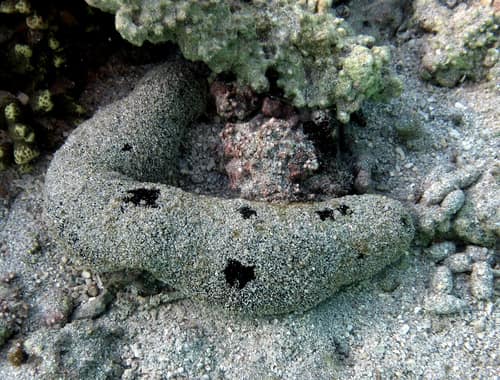
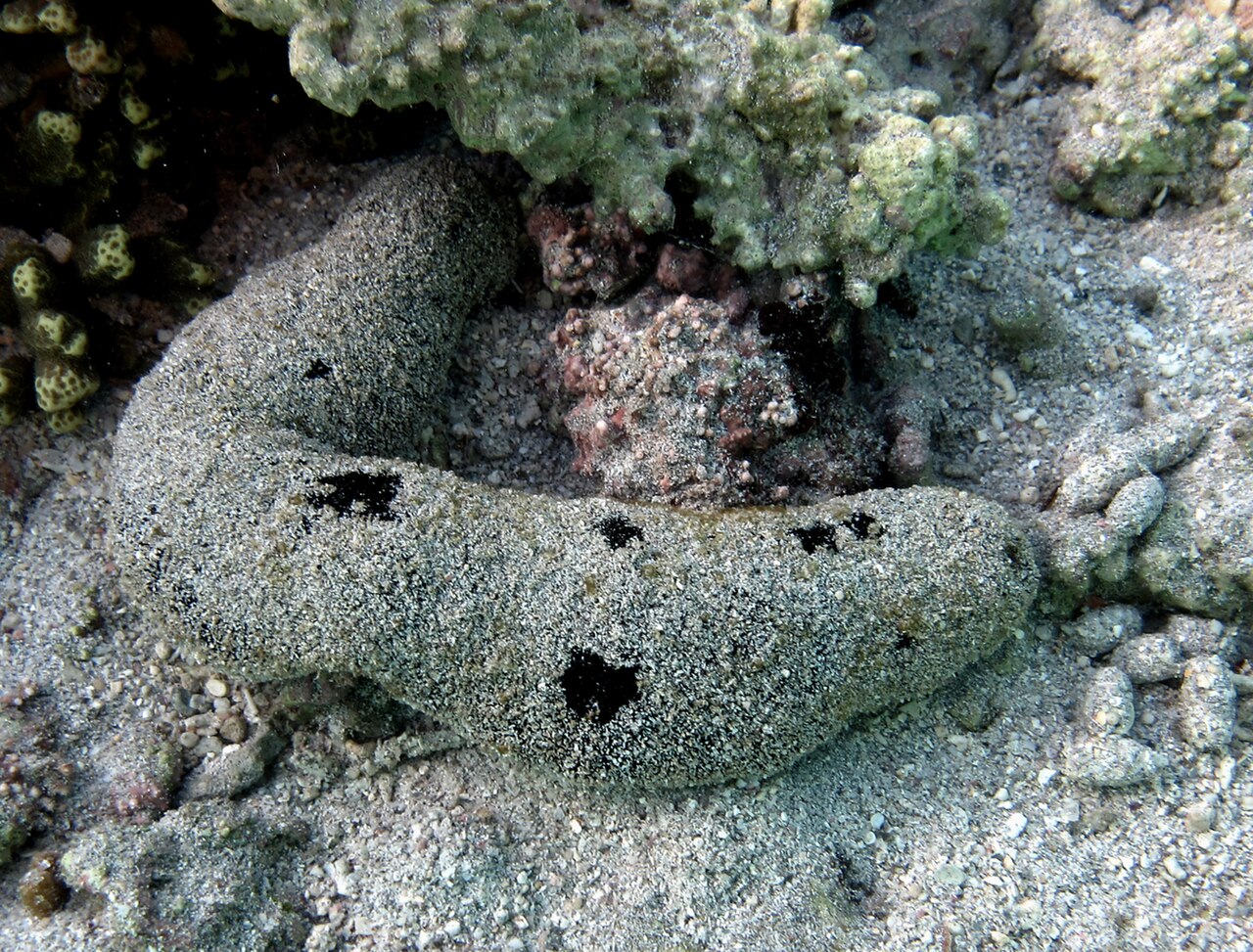
Holothuria atraAlso known as Black Sea Cucumber, Black Lollyfish
Lollyfish sea cucumbers continuously vacuum the sea floor, ingesting vast amounts of sandy sediment to digest organic films, bacteria, and microalgae before recycling clean sand back onto the reef. Individuals coat their velvety black bodies with a fine layer of sand grains for camouflage, often leaving only small bare black patches exposed along their backs. When stressed, they can reproduce through transverse fission by simply splitting in half, with both fragments regenerating into complete, functional adults within months.
- Triton's Trumpet
- Loggerhead Sea Turtle
- Titan Triggerfish
- OrderHolothuriida
- FamilyHolothuriidae
- GenusHolothuria
- SpeciesHolothuria atra
- Low
- Moderate
- High
- Very high
- Why interaction risk is high
- Safe to observe at a normal distance while snorkeling or diving.
- Spotting Guide: Look for a smooth black body dusted with sand, leaving small bare dark patches.
- Reef Etiquette: Never pick up or squeeze sea cucumbers, as handling strips their protective mucus layer.
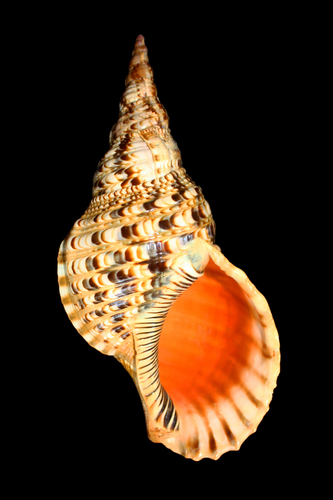
Predator (c) AntanO, some rights reserved (CC BY-SA) · cc-by-sa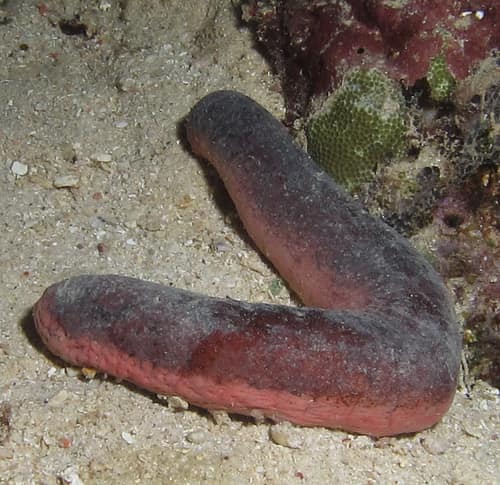
Close Relative "Edible Sea Cucumber (Holothuria edulis)" by Ed Bierman is licensed under CC BY 2.0. To view a copy of this license, visit https://creativecommons.org/licenses/by/2.0/. · cc-by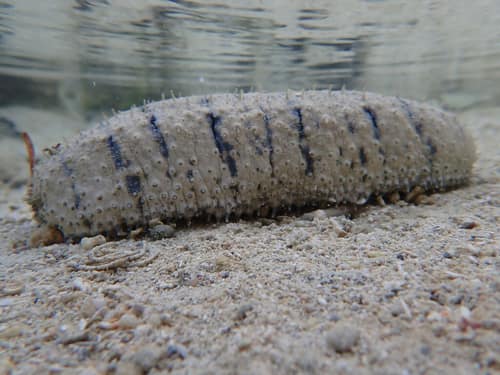
Close Relative (c) Leon Perrie, some rights reserved (CC BY), uploaded by Leon Perrie · cc-by Image unavailable
Same Family
Found in Collections
Coral Currents
Lollyfish Sea Cucumber is found in this collection. Identify it in Fauna to fill this slot and continue your progress.
Unlock to track progress
Report a name, category, or profile issue for review.