
Invertebrate
Six-keyhole Sand Dollar
Leodia sexiesperforataAlso known as Six-holed Keyhole Urchin, Six-hole Sand Dollar
Six-keyhole sand dollars glide slowly through the upper layer of warm tropical sand, using thousands of tiny spines and tube feet to harvest organic debris and microscopic algae. Unlike many flat urchins with five slots, adults feature six narrow perforations called lunules that reduce hydrodynamic lift, preventing strong ocean currents from flipping them over. While alive, a dense coat of velvety spines clothes the test in hues of tan, yellow, or pale brown, shedding down to bleached white calcium carbonate skeletons only after death.
MarineInvertebrateBenthic
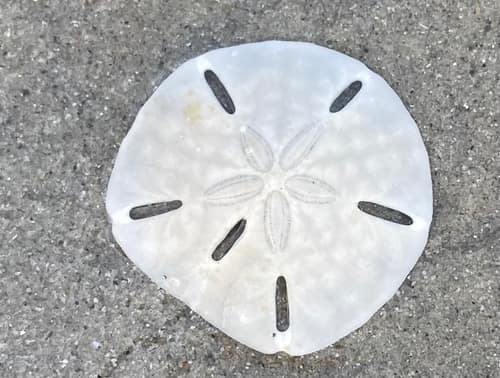
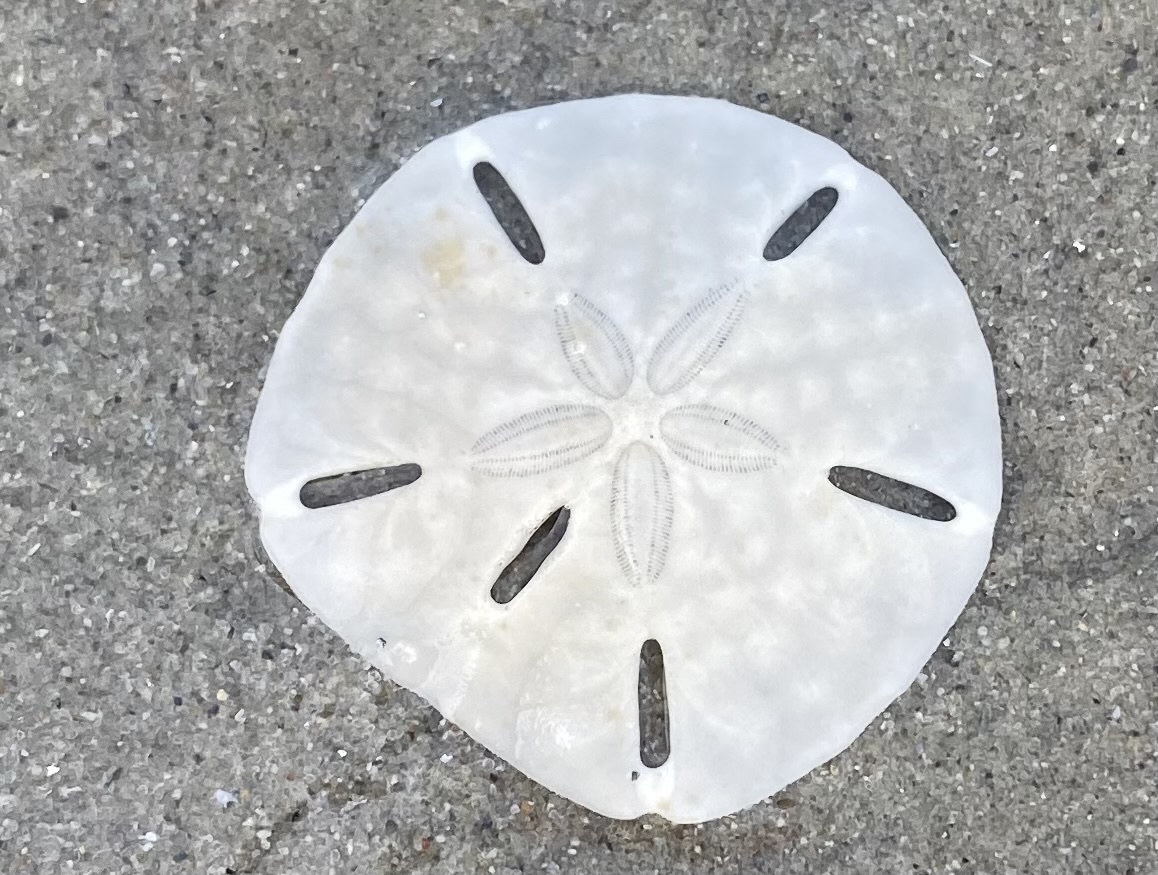
—observations
—countries
—peak records
Not EvaluatedConservation statusIUCN Red List categoriesLCNTVUENCREWEXNot Evaluated — not placed on the risk ladderRed List categories, explained →
Diet & preyBenthic diatoms, Organic detritus, Microscopic algae
Predators
- Grey Triggerfish
- West Indian Sea Star
- Blue Crab
ThreatsCoastal dredging, trawling, pollution runoff, and heavy recreational shell collecting
HabitatsSubtidal sandbars, seagrass margins, and shallow coastal sandy flats
Life span4–8 years
Classification
- FamilyMellitidae
- SpeciesLeodia sexiesperforata
Range data is not available yet.
Interaction riskLow
- Low
- Moderate
- High
- Very high
- Why interaction risk is low
- Safe to observe at a normal distance.
Responsible observation
- Live Handling: Never remove live individuals with velvet spines from the water, as exposure to air causes rapid asphyxiation and stress.
- Dead Tests: Check collected skeletons carefully to ensure no tiny moving spines remain before taking them from the beach.
- Treading Lightly: Shuffle feet when wading over shallow sandbars to alert buried organisms and avoid crushing them underfoot.
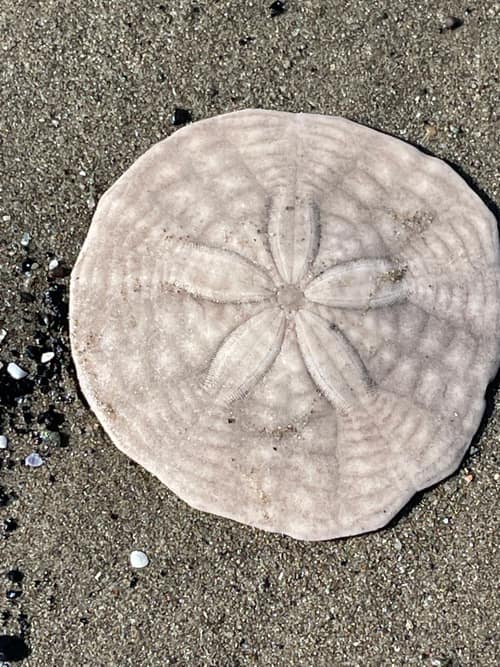
Ecological Counterpart "common sand dollar, common sand dollar sea urchin, oursin plat, плоский щитообразный (обыкновенный) еж" by Cassidy Best is licensed under CC BY 4.0. To view a copy of this license, visit http://creativecommons.org/licenses/by/4.0/. · cc-by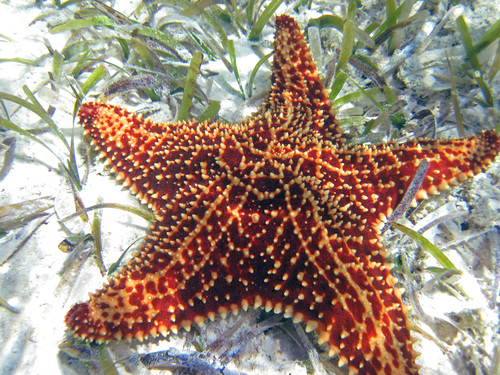
Predator (c) James St. John, some rights reserved (CC BY) · cc-by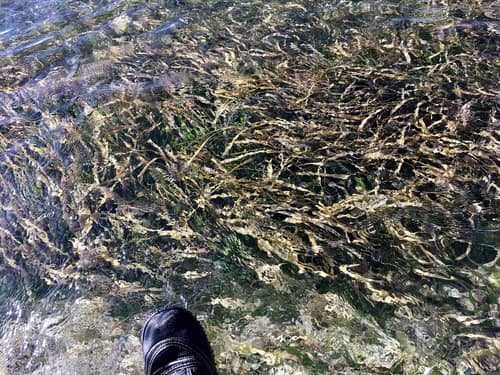
Neighbor no rights reserved · cc0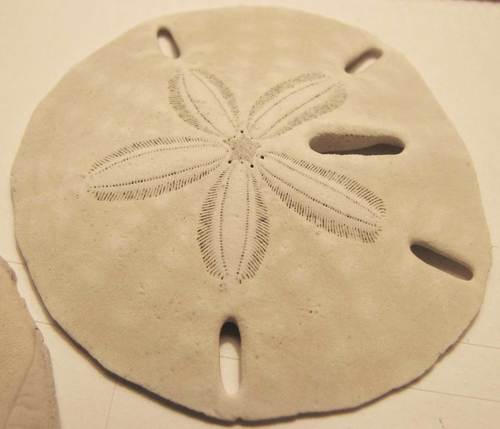
Same Family (c) Sharon Mooney (see User:Edwardtbabinski), some rights reserved (CC BY) · cc-by
Help improve the field guideSomething wrong?
Checking your Fauna account…Report a name, category, or profile issue for review.