
Invertebrate
Victoria's Crystal Jelly
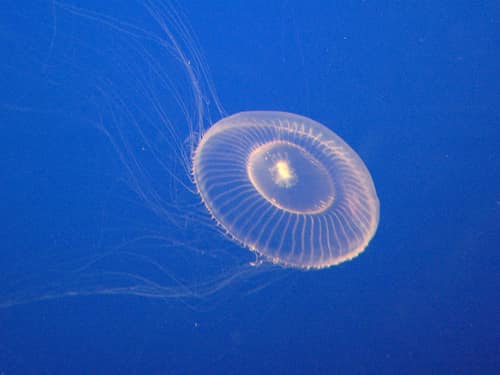
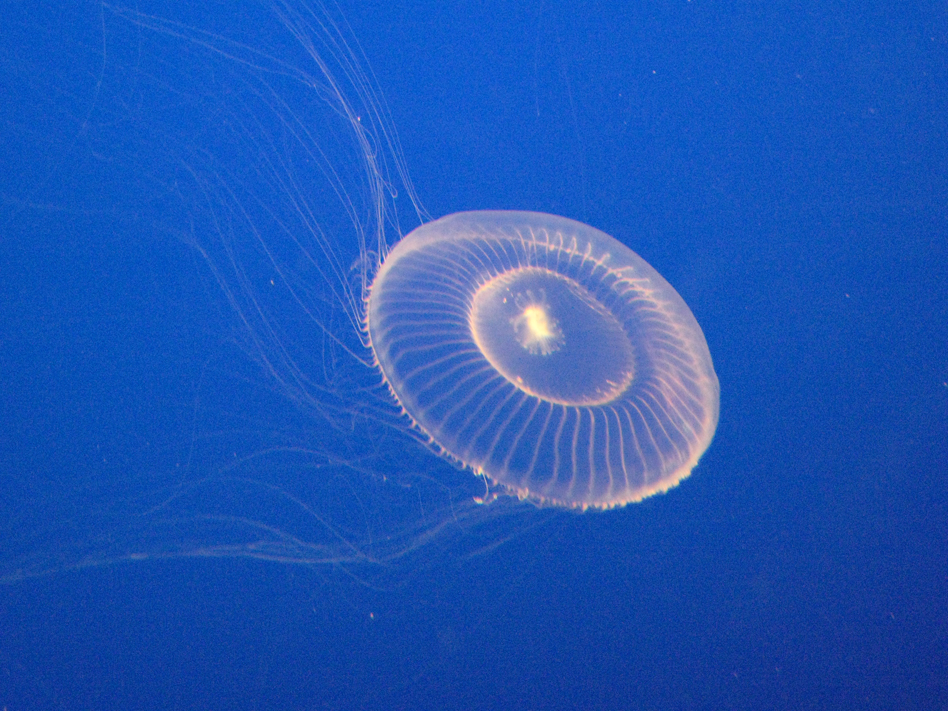
Aequorea victoriaAlso known as Crystal Jelly, Water Jelly
These nearly transparent hydrozoans drift through temperate coastal waters along the Pacific coast of North America, pulsing gently to capture plankton and small larval fish. They earned worldwide scientific fame as the source of green fluorescent protein (GFP) and the photoprotein aequorin, molecules that revolutionized cellular biology and medical imaging. During calm summer evenings, dense aggregations often drift into quiet bays and harbors, illuminating the water with subtle flashes of green bioluminescence when disturbed.
BioluminescentMarineTranslucent
—observations
—countries
—peak records
Not EvaluatedConservation statusIUCN Red List categoriesLCNTVUENCREWEXNot Evaluated — not placed on the risk ladderRed List categories, explained →
Diet & preyCopepods, Comb Jellies, Fish Larvae
Predators
- Lion's Mane Jellyfish
- Leatherback Sea Turtle
- Ocean Sunfish
ThreatsOcean warming, coastal pollution, and habitat disruption
HabitatsTemperate coastal waters, bays, fjords, and open ocean
Life spanUp to 6 months (medusa stage)
Classification
- FamilyAequoreidae
- SpeciesAequorea victoria
Range data is not available yet.
Interaction riskLow
- Low
- Moderate
- High
- Very high
- Why interaction risk is low
- Harmless to humans; stingers are too weak to penetrate human skin.
Responsible observation
- Dock Watching: Peer into quiet marina waters or harbor slips at dusk during late spring and summer to spot drifting bells.
- Bioluminescence Observation: Watch from a dock or kayak on dark nights; wave motion can trigger gentle green pulses along the bell rim.
- Gentle Respect: Refrain from lifting them out of the water, as their delicate gelatinous bells tear easily under their own weight.
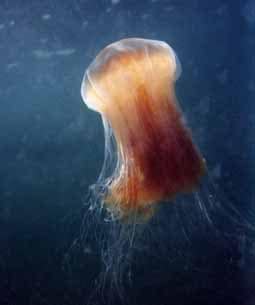
Predator Wikimedia Commons / CC BY-SA 3.0 · cc-by-sa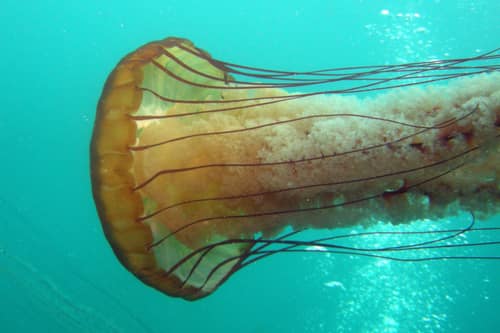
Competitor (c) Ed Bierman, some rights reserved (CC BY) · cc-by Image unavailable
Close Relative
Help improve the field guideSomething wrong?
Checking your Fauna account…Report a name, category, or profile issue for review.