
Invertebrate
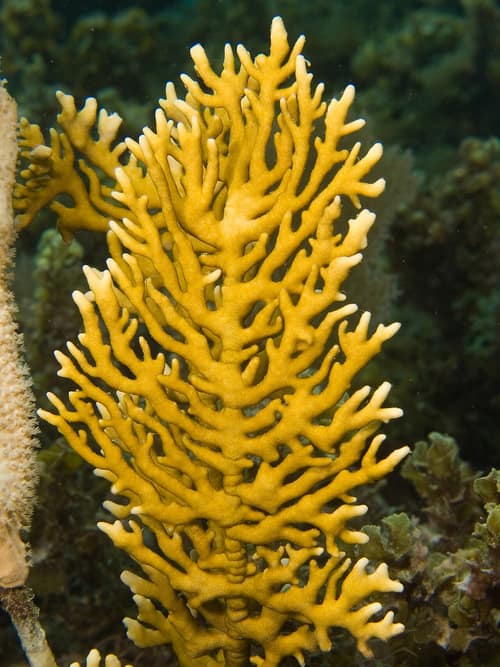
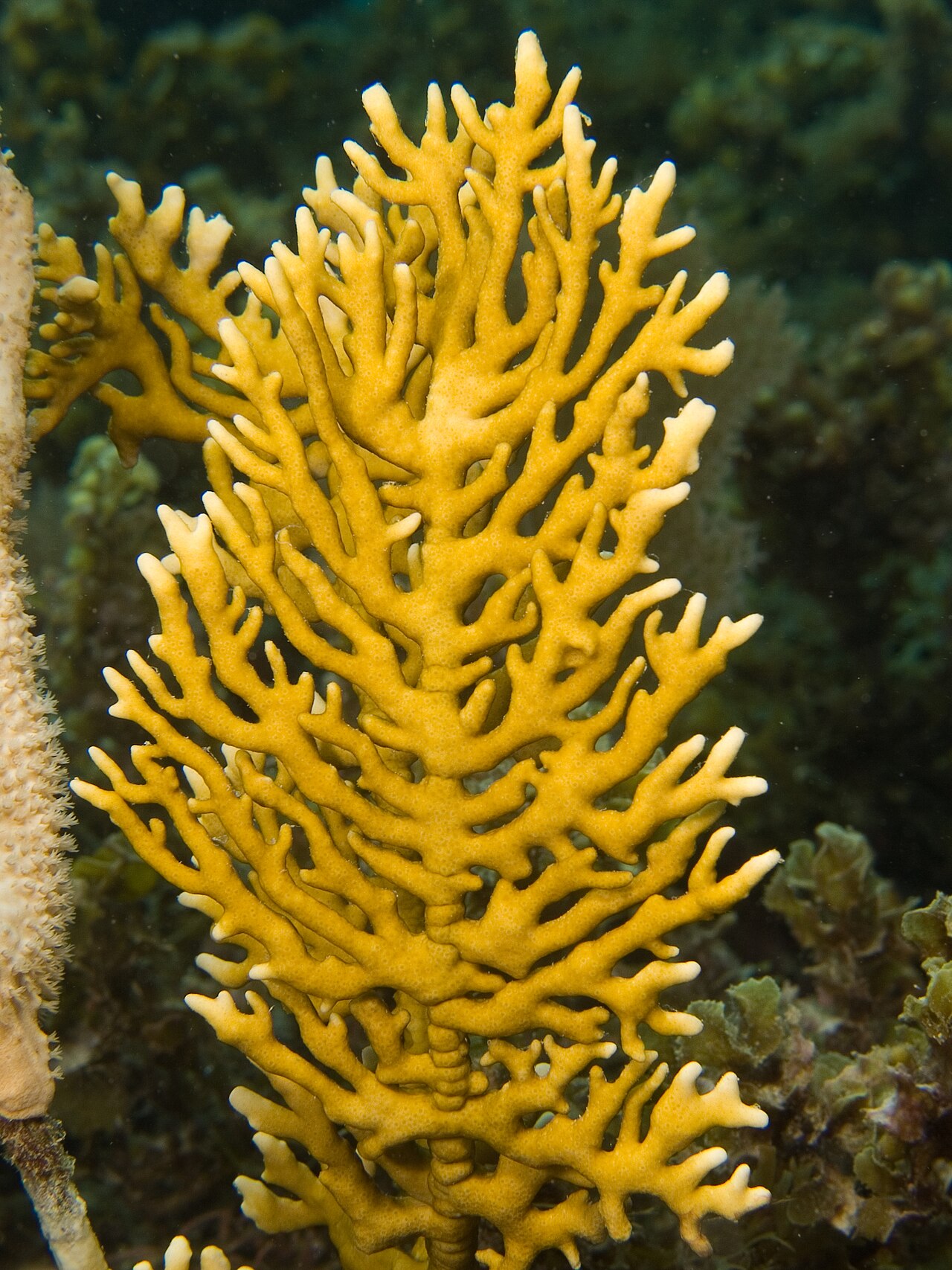
Branching Fire Coral
Millepora alcicornisAlso known as Sea Ginger, Ginger Coral, Antler Fire Coral
Branching fire corals are colonial hydrozoans that build hard, stony skeletons, often encrusting over dead sea fans and rocky substrate before developing upright, antler-like branches. Specialized defensive polyps concealed within microscopic pores unleash potent stinging cells whenever touched, deterring grazers and delivering intense burning pain to human skin. Colonies depend heavily on endosymbiotic zooxanthellae for nutrition, flourishing across sun-drenched reef flats where surging currents bring continuous supplies of microscopic prey.
Reef-BuildingStingingTropical
—observations
—countries
—peak records
EndangeredConservation statusIUCN Red List categoriesLCNTVUENCREWEXEndangeredRed List categories, explained →
Diet & preyCopepods, Invertebrate larvae, Microscopic zooplankton
Predators
- Bearded fireworm
- Hawksbill sea turtle
ThreatsOcean warming and coral bleaching, acidification, and storm damage
HabitatsShallow coral reefs, rocky reef crests, and lagoons
Life spanSeveral decades to over a century
Classification
- FamilyMilleporidae
- SpeciesMillepora alcicornis
Range data is not available yet.
Interaction riskVery high
- Low
- Moderate
- High
- Very high
- Why interaction risk is very high
- Nematocysts inject venom on contact, causing intense burning; maintain distance and never touch.
- Why it is dangerous
- Fine dactylozooids fire venomous harpoon-like nematocysts that penetrate skin, causing immediate burning pain, erythema, and localized swelling.
- How to recognize a risky encounter
- Look for mustard-yellow to light brown branching structures with distinctly pale, blunt tips and a finely pitted surface.
- What to do
- Never handle or brush against colonies; if stung, do not rub or rinse with fresh water, and apply vinegar promptly.
- What to notice
- Recognized by its branching, deer-antler growth habit and yellow-brown coloration amidst shallow reef zones.
- Support conservation
- Avoid anchoring near colonies or making contact with diving gear, as brittle branches break easily and take years to rebuild.
Responsible observation
- Buoyancy Control: Maintain steady trim and keep fins well clear to avoid contact and skeletal damage.
- First Aid Precaution: Rinse any accidental contact area with household vinegar to neutralize unfired stinging cells.
- Observation Etiquette: Admire the fine branch morphology from at least a meter away to avoid wave surge collisions.
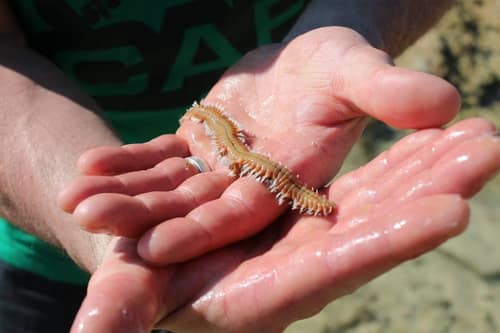
Predator no rights reserved · cc0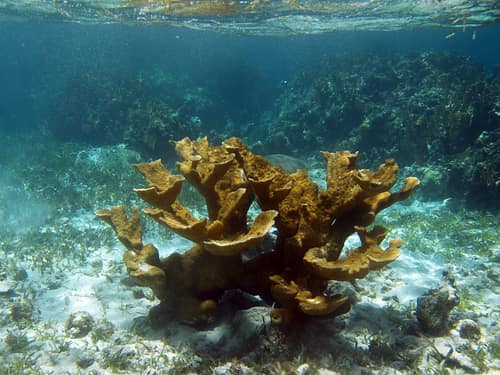
Competitor Nhobgood Nick Hobgood / CC BY-SA 3.0 · cc-by-sa Image unavailable
Close Relative
Help improve the field guideSomething wrong?
Checking your Fauna account…Report a name, category, or profile issue for review.