Also known as Upside-down Jellyfish, Andromeda Jellyfish
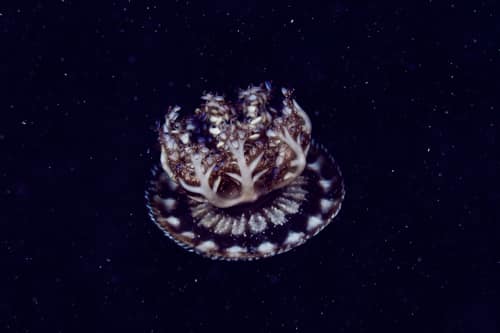
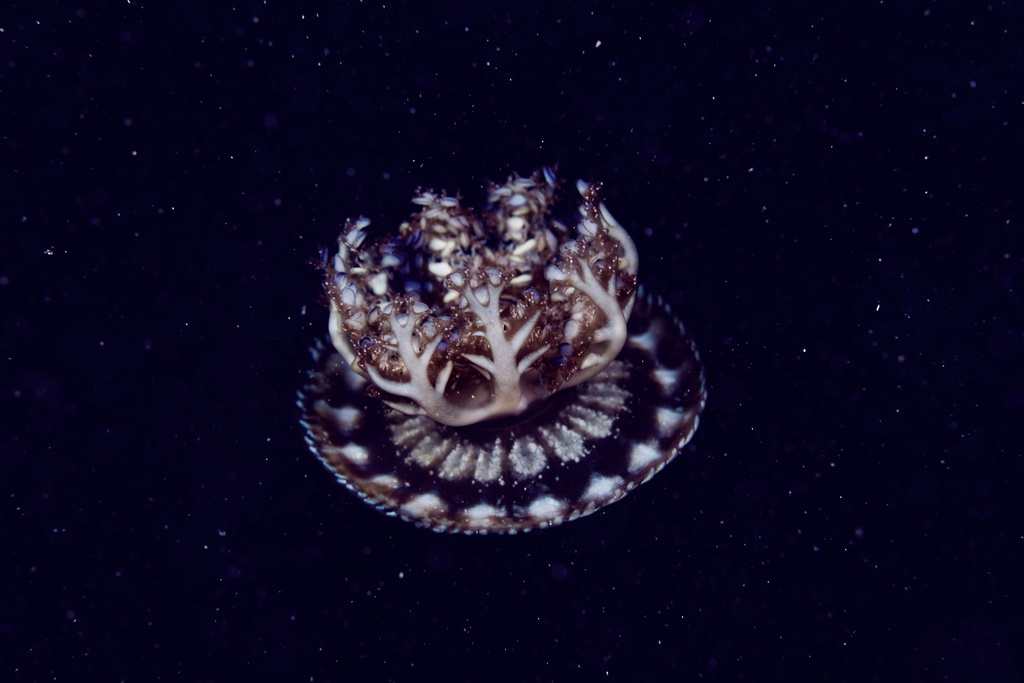
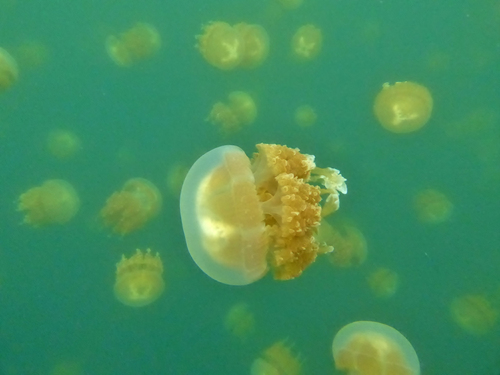
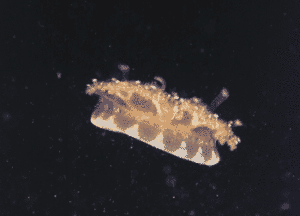
Mangrove upsidedown jellies spend most of their lives resting bell-down on warm, sheltered seafloors to expose symbiotic dinoflagellates in their ruffled oral arms to sunlight. Gentle, rhythmic pulsations of the flattened bell drive currents over these arms, facilitating gas exchange and drawing suspended organic matter inward. When disturbed, they can cast clouds of stinging mucus structures called cassiosomes into the surrounding water column, producing a prickling sensation known as stinging water.
ThreatsCoastal development, mangrove deforestation, water pollution, and dredging
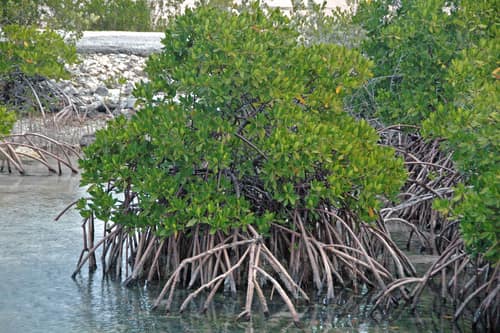
HabitatsMangrove channels, shallow sheltered lagoons, mudflats, and calm seagrass beds
Life span1 to 2 years
Classification
FamilyCassiopeidae
SpeciesCassiopea andromeda
Range & activity
Range data is not available yet.
Safe observation
Interaction riskVery high
Low
Moderate
High
Very high
Why interaction risk is very high
Releases stinging mucus that irritates bare skin; avoid wading closely or handling.
Why it is dangerous
Releases mobile clusters of stinging cells called cassiosomes into the water, causing itchy rashes, burning sensations, and mild welts upon skin contact.
How to recognize a risky encounter
Look for a flattened, disc-like bell resting upside-down on the sediment with frilly, cauliflower-like brownish-green oral arms facing upward.
What to do
Do not touch or stir the water near them; if exposed to stinging water, rinse thoroughly with seawater and apply vinegar rather than freshwater.
Responsible observation
Look Down: Search the sandy floors of calm mangrove creeks where individuals carpet the shallows.
Avoid Stinging Water: Give settled groups wide clearance while wading to avoid microscopic stinging mucus pockets.
Do Not Handle: Admire their pulsing frilled oral arms with a snorkel or polarized sunglasses without touching.