
Invertebrate
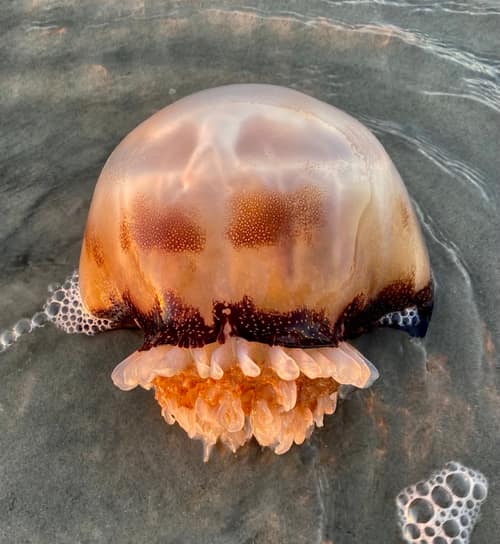
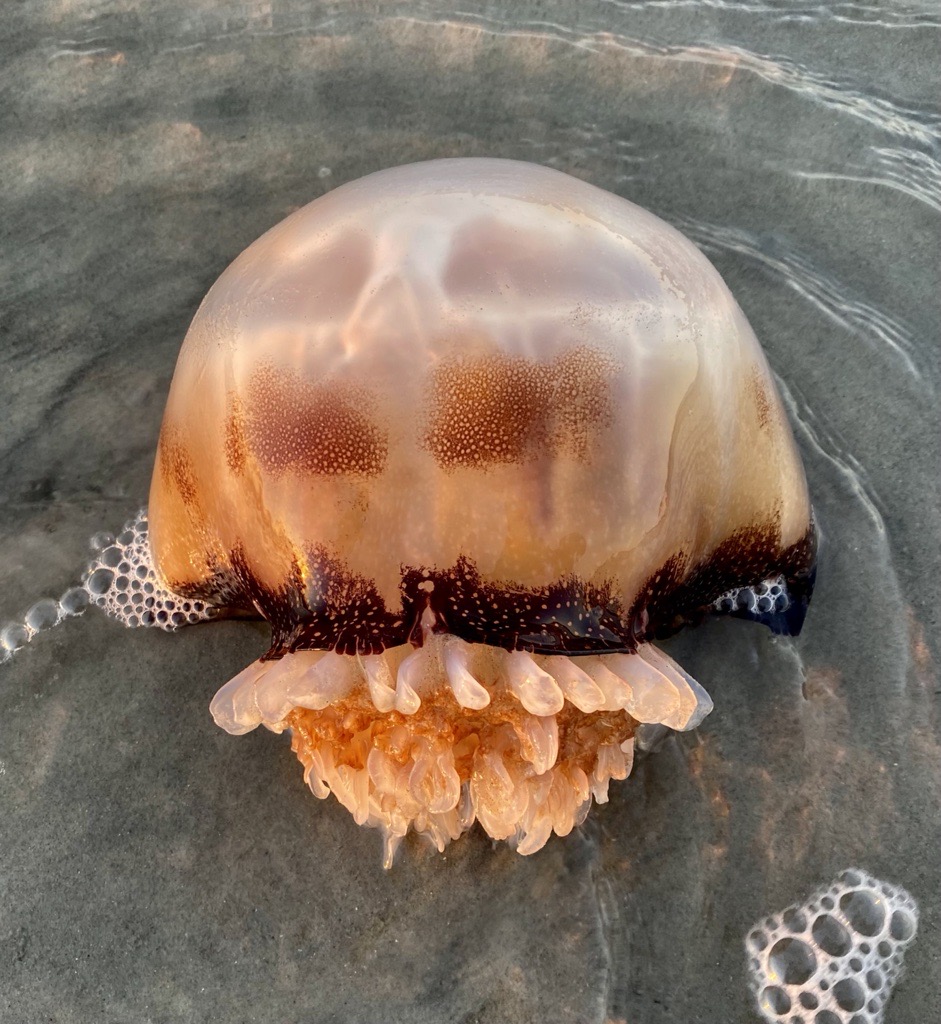
Cannonball Jelly
Stomolophus meleagrisAlso known as Cabbagehead Jellyfish, Cabbagehead Jelly
Cannonball jellies propel themselves through coastal estuaries and open ocean waters using a muscular rim and dense cluster of oral arms. Their firm, dome-shaped bells range from milky white to shades of blue or brown, providing essential shelter for juvenile fish and small crabs during seasonal blooms. These vigorous swimmers filter massive quantities of plankton daily, making them vital links in marine food webs across warm Atlantic and Gulf waters.
MarineFree-swimmingCoastal
—observations
—countries
—peak records
Not EvaluatedConservation statusIUCN Red List categoriesLCNTVUENCREWEXNot Evaluated — not placed on the risk ladderRed List categories, explained →
Diet & preyZooplankton, Fish Eggs, Bivalve Larvae
Predators
- Leatherback Sea Turtle
- Ocean Sunfish
- Spider Crab
ThreatsOverfishing by commercial jellyfish harvesters, marine pollution
HabitatsCoastal bays, estuaries, open ocean
Life span3–6 months
Classification
- OrderRhizostomeae
- FamilyStomolophidae
- GenusStomolophus
- SpeciesStomolophus meleagris
Range data is not available yet.
Interaction riskVery high
- Low
- Moderate
- High
- Very high
- Why interaction risk is very high
- Stinging cells carry mild venom that can irritate sensitive skin; handle only with protective gloves.
Responsible observation
- Observation: Look for dense swarms drifting near coastal beaches and estuaries during warm summer months.
- Handling Precautions: Keep clear of tentacles and oral arms, especially near the eyes or sensitive skin.
- Beach Stranding: Dead jellies washed ashore can still discharge stinging cells, so avoid stepping on them barefoot.
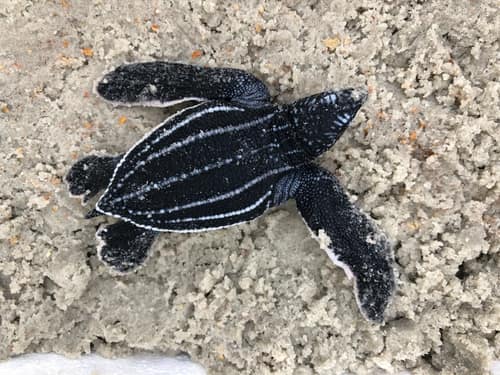
Predator (c) Pam Kleinsasser, some rights reserved (CC BY), uploaded by Pam Kleinsasser · cc-by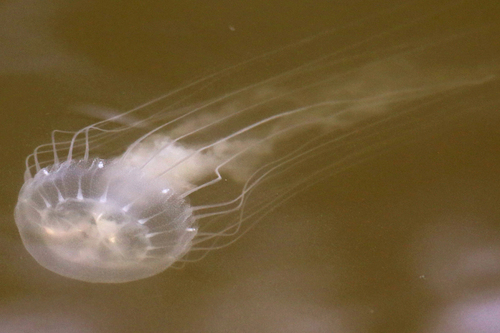
Co-occurring Jelly (c) Bill Keim, some rights reserved (CC BY) · cc-by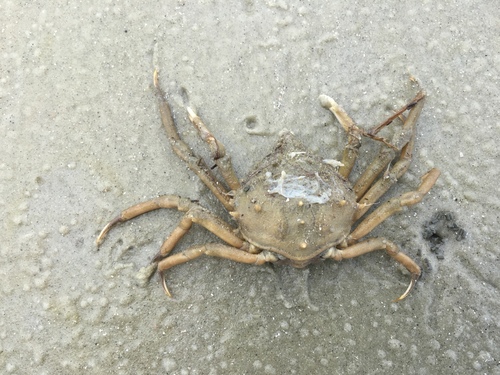
Commensal Partner (c) Mary Spilman, some rights reserved (CC BY), uploaded by Mary Spilman · cc-by Image unavailable
Close Relative
Keep collecting in Fauna
Found in Collections
Species set Pro
Ocean Creatures
Cannonball Jelly is found in this collection. Identify it in Fauna to fill this slot and continue your progress.
Unlock to track progress
Help improve the field guideSomething wrong?
Checking your Fauna account…Report a name, category, or profile issue for review.