
Invertebrate
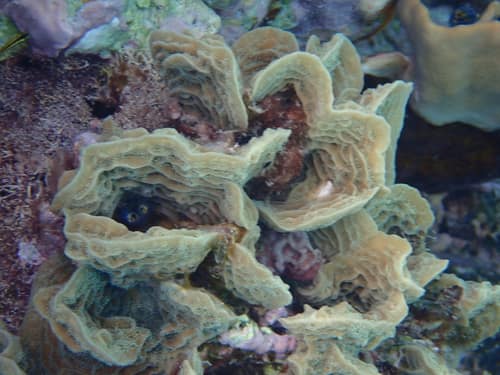
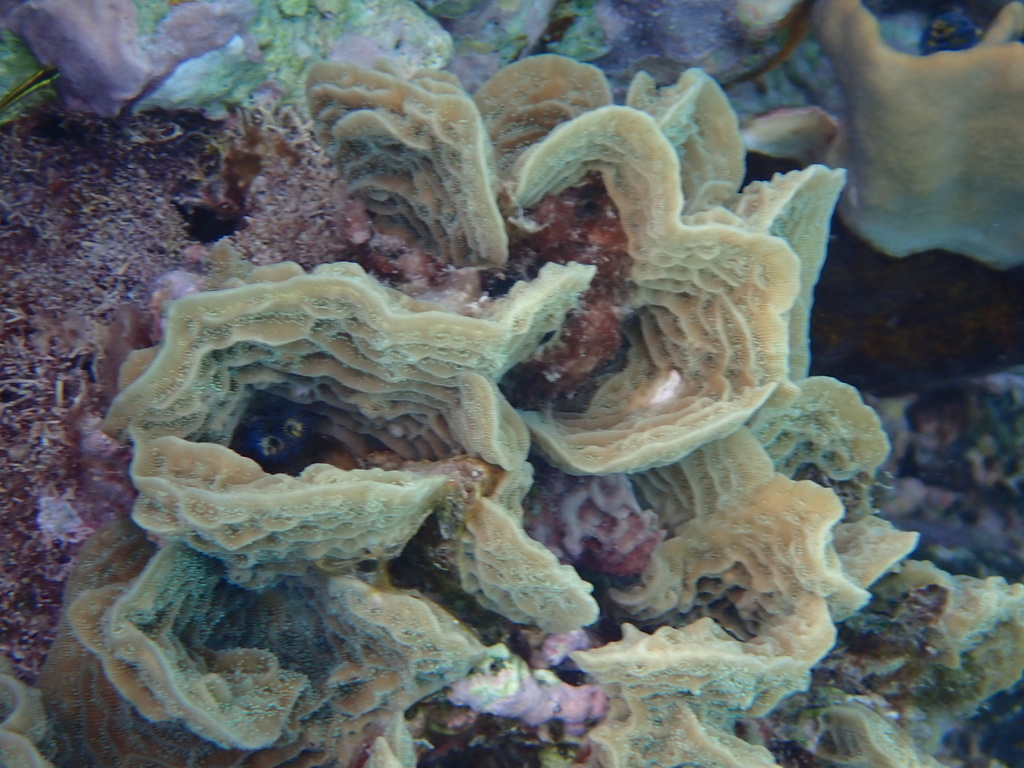
Lettuce Coral
Agaricia agaricitesAlso known as Tan Lettuce-leaf Coral
Lettuce corals form intricate leaf-like plates and encrusting sheets that provide essential shelter for juvenile reef fish and cryptic invertebrates across Caribbean waters. Colonies thrive in low to moderate surge zones, using symbiotic zooxanthellae for energy while deploying fine tentacles at night to capture suspended organic matter. Although more resilient than many branching corals, populations have declined sharply in recent decades due to warming waters, bleaching, and disease outbreaks.
Reef BuilderMarineColonial
—observations
—countries
—peak records
VulnerableConservation statusIUCN Red List categoriesLCNTVUENCREWEXVulnerableRed List categories, explained →
Diet & preyZooplankton, Dissolved organic matter, Suspended detritus
Predators
- Stoplight parrotfish
- Bearded fireworm
- Longsnout butterflyfish
ThreatsOcean warming, bleaching events, stony coral tissue loss disease, and pollution
HabitatsShallow coral reefs, rocky reef flats, and lagoon slopes
Life spanDecades to centuries (colonial)
Classification
- FamilyAgariciidae
- SpeciesAgaricia agaricites
Range data is not available yet.
Interaction riskLow
- Low
- Moderate
- High
- Very high
- Why interaction risk is low
- Safe to observe from a distance; avoid touching or kicking fragile colonies.
- What to notice
- Recognize by its thin, overlapping tan or brownish plates and reticulated pattern of fine ridges.
- Support conservation
- Maintain at least one meter of clearance while swimming and never touch, anchor on, or collect colonies.
Responsible observation
- Buoyancy Control: Maintain neutral buoyancy while diving or snorkeling to avoid kicking fragile plates.
- Reef Etiquette: Never stand on, rest on, or touch colonies, as contact damages delicate polyp tissues.
- Reef-Safe Sunscreen: Wear mineral-based sun protection to minimize chemical pollution over reef habitats.
 Image unavailable
Same Genus 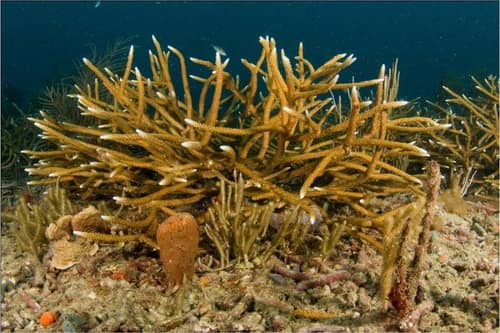
Reef Associate (c) U.S. Fish and Wildlife Service Southeast Region, some rights reserved (CC BY) · cc-by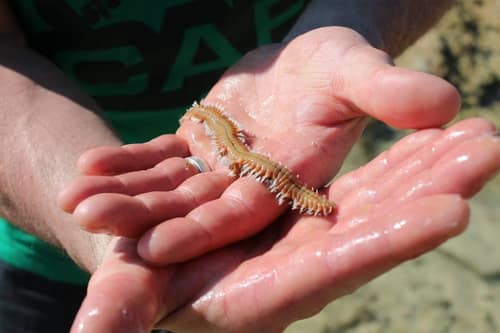
Predator no rights reserved · cc0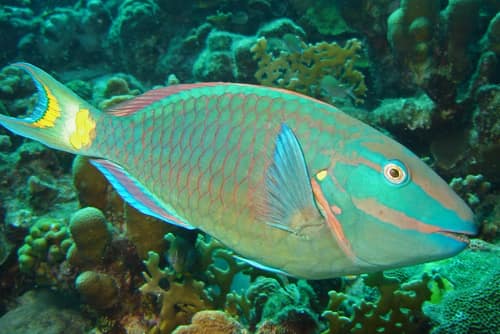
Predator Adona9 at English Wikipedia / CC BY-SA 3.0 · cc-by-saClose Relative
Help improve the field guideSomething wrong?
Checking your Fauna account…Report a name, category, or profile issue for review.