
Invertebrate
Greater Star Coral
Montastraea cavernosaAlso known as Great Star Coral, Large-cupped Star Coral, Cavernous Star Coral
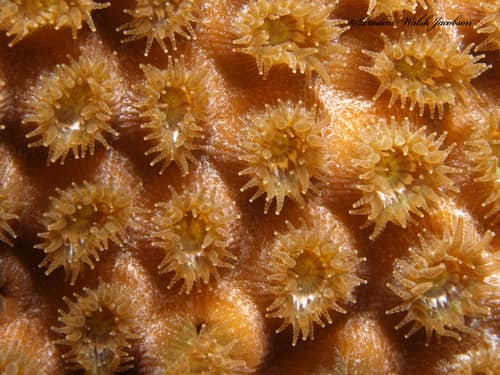
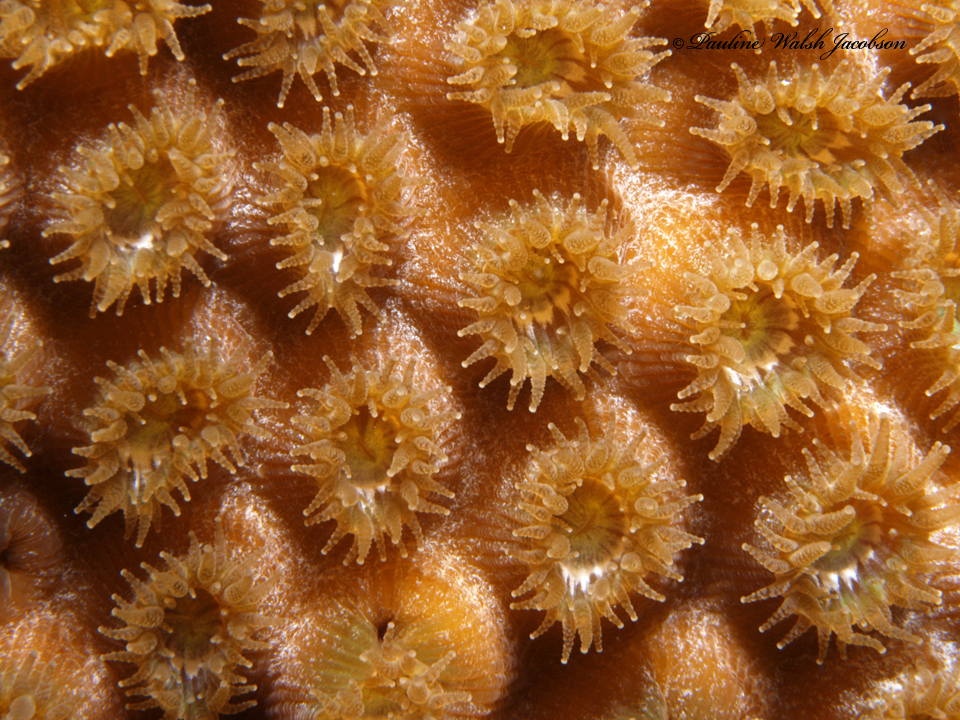
Great star corals form massive, imposing mounds or flattened plating domes across tropical Atlantic reefs, serving as vital foundation stones of the coral ecosystem. By day, their large, crater-like corallites resemble blistered stone, but after nightfall each polyp blossoms out like a miniature sea anemone to capture drifting plankton. Colonies also rely on endosymbiotic zooxanthellae algae within their tissues, converting sunlight into essential nutrients that fuel decades of steady calcification.
Reef-builderMarineColonial
—observations
—countries
—peak records
Least ConcernConservation statusIUCN Red List categoriesLCNTVUENCREWEXLeast ConcernRed List categories, explained →
Diet & preyCopepods, Fish Larvae, Invertebrate Larvae
Predators
- Bearded Fireworm
- Spotfin Butterflyfish
- Coral-eating Snail
ThreatsOcean warming and bleaching, stony coral tissue loss disease, and sedimentation
HabitatsShallow to mesophotic coral reefs, hardbottom substrates, and reef slopes
Life spanCenturies (often 200 to 500+ years)
Classification
- FamilyMontastraeidae
- SpeciesMontastraea cavernosa
Range data is not available yet.
Interaction riskLow
- Low
- Moderate
- High
- Very high
- Why interaction risk is low
- Safe to observe at a normal distance; avoid touching to prevent coral scrapes and colony damage.
- What to notice
- Recognizable by prominent, thumb-sized circular corallites raised like blistered craters across massive boulders or smooth plates.
- Support conservation
- Never touch, stand on, or drop boat anchors on colonies; maintain at least one meter of clearance while diving or snorkeling.
Responsible observation
- Diving Etiquette: Maintain neutral buoyancy to avoid kicking or resting fins on slow-growing colonies.
- Night Viewing: Shine a red-filtered dive torch to observe fully expanded polyps without triggering retraction.
- Reef-Safe Sunscreen: Wear mineral-based sunscreen or protective rash guards to prevent chemical stress.
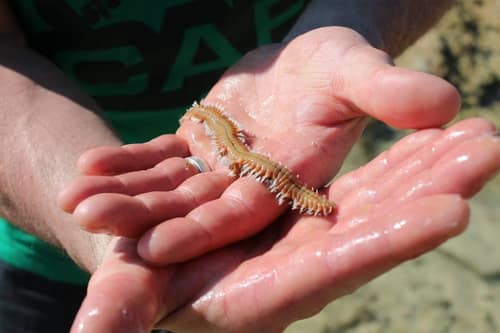
Predator no rights reserved · cc0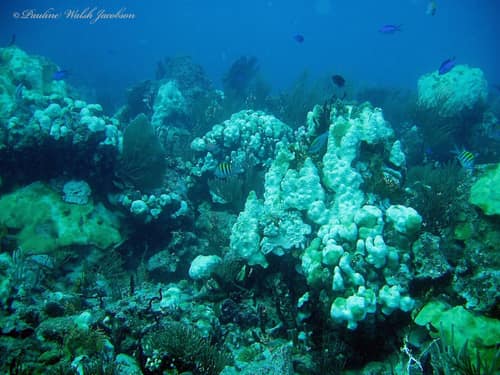
Competitor (c) Pauline Walsh Jacobson, some rights reserved (CC BY) · cc-by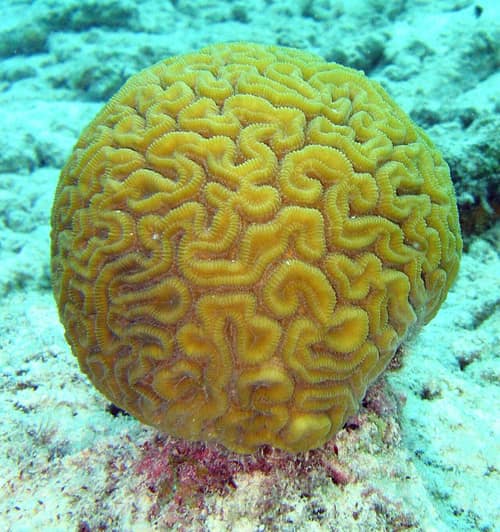
Neighbor Wikimedia Commons / Public domain · cc0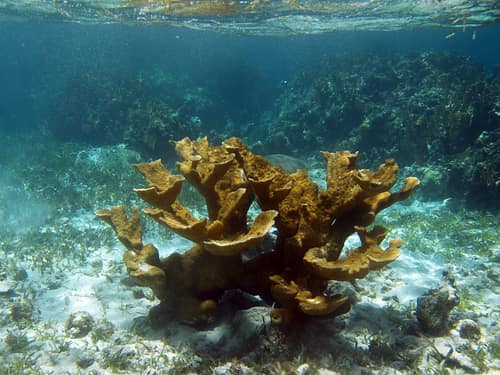
Neighbor Nhobgood Nick Hobgood / CC BY-SA 3.0 · cc-by-sa
Help improve the field guideSomething wrong?
Checking your Fauna account…Report a name, category, or profile issue for review.