
Invertebrate
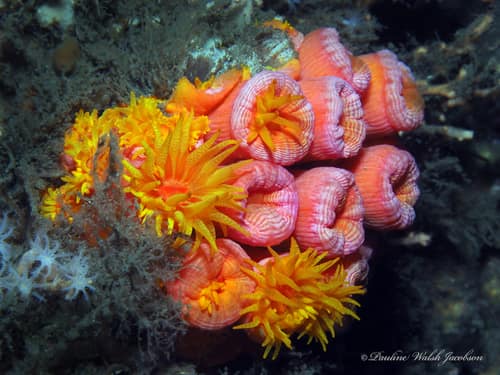
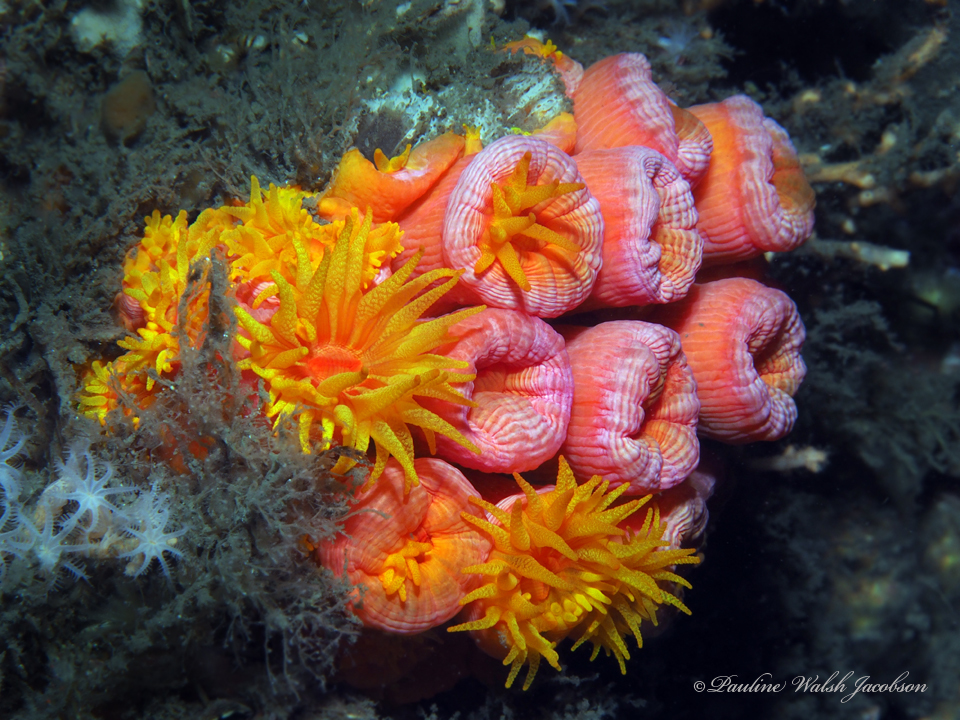
Orange Cup Coral
Tubastraea coccineaAlso known as Sun Coral, Orange Sun Coral, Sun Cup Coral, Orange Tube Coral
Thriving without symbiotic algae, orange cup corals colonize darkened caverns, shipwrecks, and oil platforms where sunlight cannot penetrate. At dusk, each vibrant polyp unfurls a crown of bright yellow tentacles laden with stinging nematocysts to ensnare drifting zooplankton. Their prolific brooding cycles and ability to hitchhike on commercial ship hulls have transformed them into an aggressive invasive presence across Atlantic and Caribbean reefs.
MarineInvasiveNocturnal
—observations
—countries
—peak records
Not EvaluatedConservation statusIUCN Red List categoriesLCNTVUENCREWEXNot Evaluated — not placed on the risk ladderRed List categories, explained →
Diet & preyCopepods, Amphipods, Invertebrate larvae
Predators
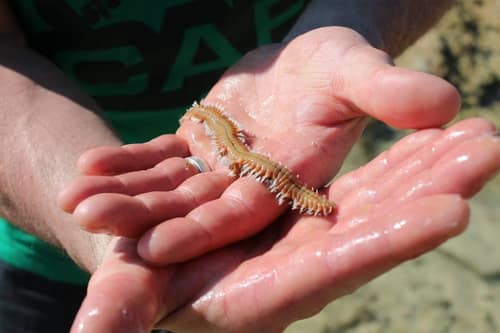
- Bearded fireworm
- Black-gill nudibranch
- Banded butterflyfish
ThreatsTargeted manual removal by divers, sediment smothering, and heavy fouling algae
HabitatsDark reef caves, shaded overhangs, shipwrecks, dock pilings, and oil platforms
Life span10–30 years (colonies renew continuously through asexual budding)
Classification
- FamilyDendrophylliidae
- SpeciesTubastraea coccinea
Range data is not available yet.
Interaction riskLow
- Low
- Moderate
- High
- Very high
- Why interaction risk is low
- Safe to observe at a normal distance; avoid touching to prevent damage to fragile polyps.
Responsible observation
- Night Diving: Use a soft red dive light after twilight to view the translucent feeding tentacles fully expanded.
- Artificial Substrates: Inspect the undersides of mooring docks, pilings, and shipwrecks where colonies congregate out of direct light.
- Invasive Reporting: Log coordinates and photographs with local marine park authorities if sighted outside native Indo-Pacific waters.
Predator no rights reserved · cc0 Image unavailable
Predator Close Relative Close Relative
Help improve the field guideSomething wrong?
Checking your Fauna account…Report a name, category, or profile issue for review.