
Invertebrate
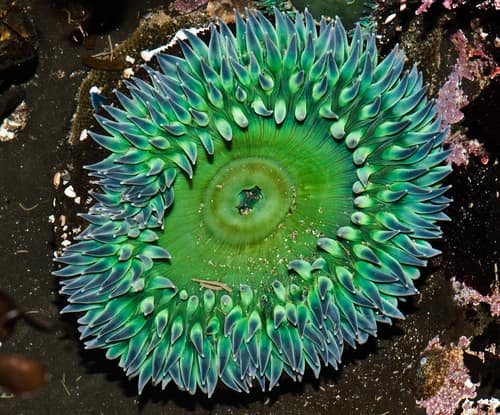
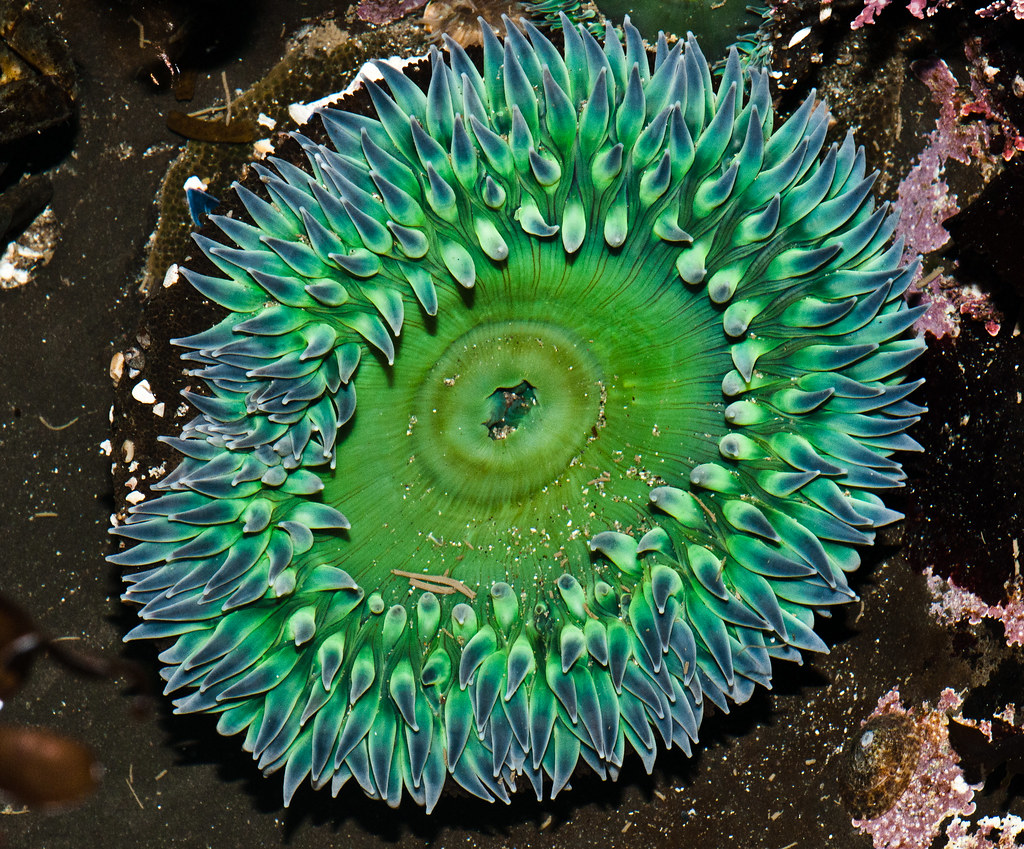
Giant Green Anemone
Anthopleura xanthogrammicaAlso known as Solitary Green Anemone, Green Surf Anemone, Giant Green Sea Anemone
Giant green anemones thrive in the wave-swept intertidal zones of the Pacific coast, glowing vibrant emerald green due to microscopic symbiotic algae living within their tissues. Equipped with hundreds of stinging tentacles, they paralyze and swallow dislodged mussels, crabs, and small fish swept into tidepools by heavy surf. These hardy invertebrates can anchor to rocks for decades, growing into some of the largest intertidal anemones in the world.
MarineIntertidalPredatory
—observations
—countries
—peak records
Not EvaluatedConservation statusIUCN Red List categoriesLCNTVUENCREWEXNot Evaluated — not placed on the risk ladderRed List categories, explained →
Diet & preyCalifornia mussels, Shore crabs, Small intertidal fish
Predators
- Leather star
- Nudibranchs
- Sea spiders
ThreatsOcean acidification, marine heatwaves, coastal runoff
HabitatsIntertidal rocky shores, tide pools, surge channels
Life span15–50+ years
Classification
- FamilyActiniidae
- SpeciesAnthopleura xanthogrammica
Range data is not available yet.
Interaction riskLow
- Low
- Moderate
- High
- Very high
- Why interaction risk is low
- Safe to observe at a normal distance.
Responsible observation
- Tidepool Etiquette: Observe underwater without attempting to pry the anemone off rocks.
- Low Tide Viewing: Look inside shaded surge channels and low intertidal pools during spring tides.
- Sensory Caution: Gently touching tentacles feels sticky, but frequent disturbance causes stress.
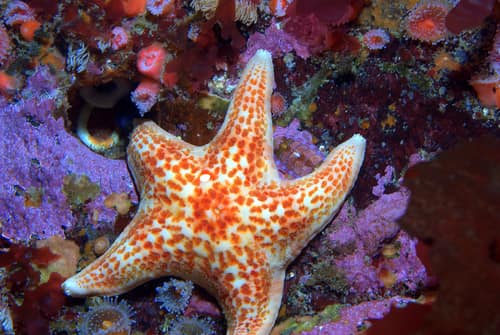
Predator "Leather Star" by Ed Bierman is licensed under CC BY 2.0. To view a copy of this license, visit https://creativecommons.org/licenses/by/2.0/. · cc-by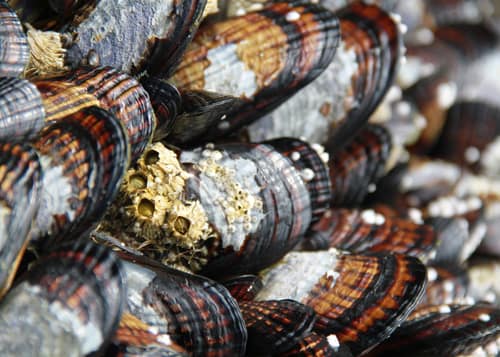
Prey (c) Oregon Department of Fish & Wildlife, some rights reserved (CC BY-SA) · cc-by-sa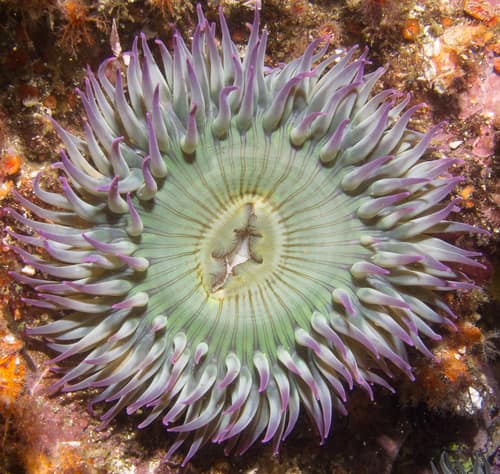
Close Relative "Aggregating Anemone, anthopleura elegantissima" by Ed Bierman is licensed under CC BY 2.0. To view a copy of this license, visit https://creativecommons.org/licenses/by/2.0/. · cc-by
Help improve the field guideSomething wrong?
Checking your Fauna account…Report a name, category, or profile issue for review.