
Invertebrate
Stovepipe Sponge
Aplysina archeriAlso known as Stove Pipe Sponge, Caribbean Tube Sponge
Stovepipe sponges rise in dramatic vertical clusters from Caribbean reefs, forming architectural colonies of up to twenty-two hollow cylinders that can reach well over a meter tall. These colonial animals continuously pump thousands of liters of seawater through microporous tissue walls each day, stripping bacteria and organic debris before discharging filtered water through open apical oscula. Because they grow at exceptionally slow rates of mere millimeters per year, large clusters represent delicate reef communities that have developed undisturbed across centuries.
MarineFilter FeederReef Dweller
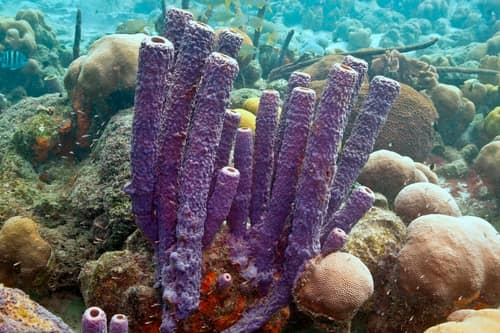
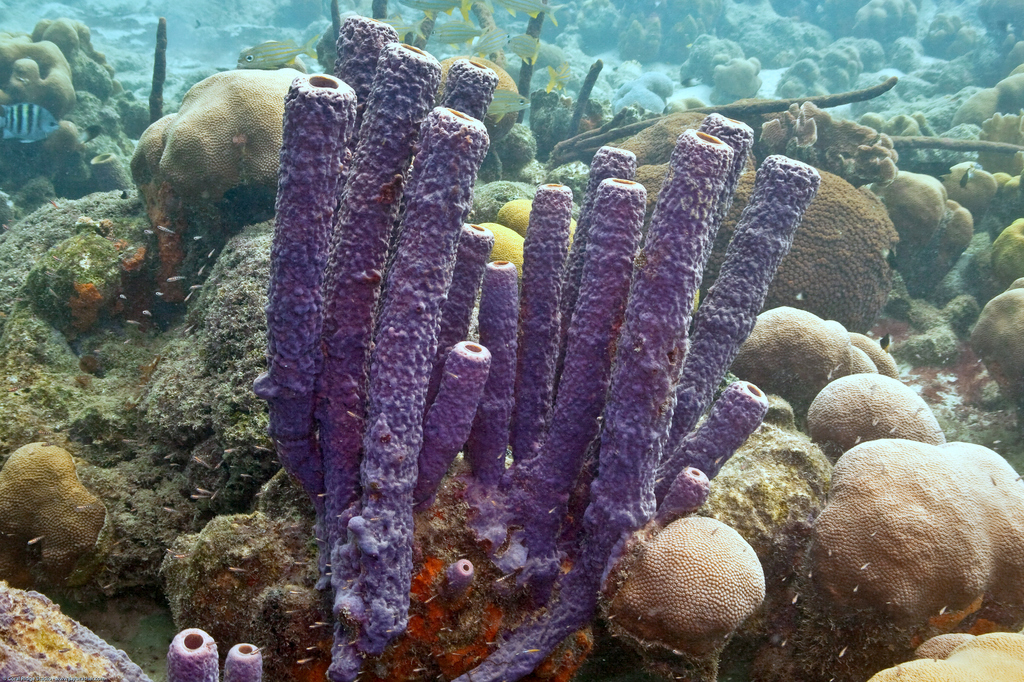
—observations
—countries
—peak records
Not EvaluatedConservation statusIUCN Red List categoriesLCNTVUENCREWEXNot Evaluated — not placed on the risk ladderRed List categories, explained →
Diet & preyBacterioplankton, Phytoplankton, Suspended Detritus
Predators
- Flamingo Tongue Snail
- Hawksbill Sea Turtle
- Queen Angelfish
ThreatsMarine pollution, oil spills, anchor damage, and severe hurricane waves
HabitatsCoral reef slopes, outer walls, and hardbottom marine shelf environments
Life span100–500 years
Classification
- FamilyAplysinidae
- SpeciesAplysina archeri
Range data is not available yet.
Interaction riskLow
- Low
- Moderate
- High
- Very high
- Why interaction risk is low
- Safe to observe at a normal distance.
Responsible observation
- Buoyancy Control: Maintain neutral buoyancy while diving to avoid snapping brittle, slow-growing tubes with fins.
- No-Touch Policy: Never squeeze or anchor onto the tubes, as tearing the outer pinacoderm layer invites lethal microbial infections.
- Look Inside: Peer cautiously down the wide upper opening to spot tiny commensal crabs and cleaner gobies sheltering inside.
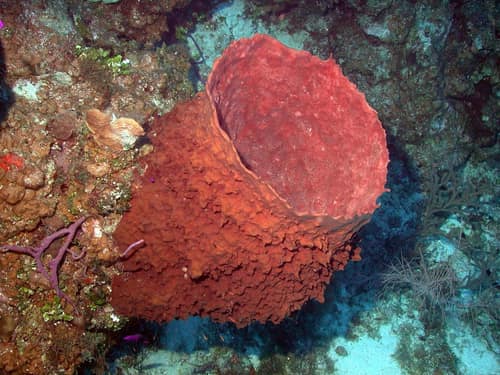
Competitor (c) NOAA Photo Library, some rights reserved (CC BY) · cc-by Image unavailable
Predator 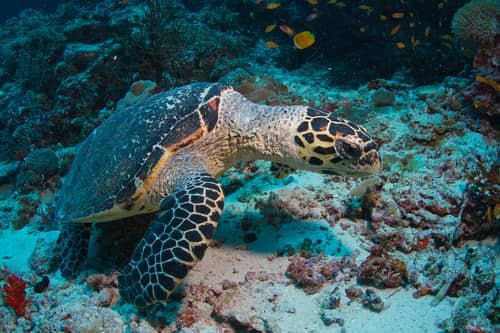
Predator "Hawksbill Turtle" by Tchami is licensed under CC BY-SA 2.0. To view a copy of this license, visit https://creativecommons.org/licenses/by-sa/2.0/. · cc-by-sa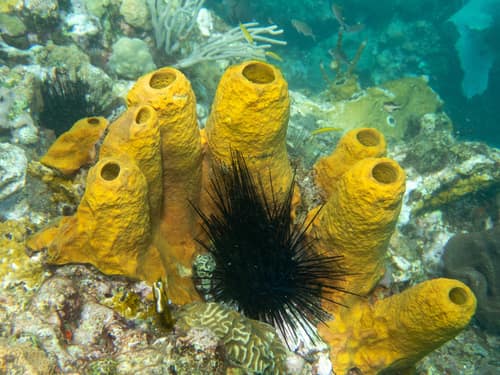
Close Relative (c) Don Loarie, some rights reserved (CC BY), uploaded by Don Loarie · cc-byClose Relative
Help improve the field guideSomething wrong?
Checking your Fauna account…Report a name, category, or profile issue for review.