
Invertebrate
Mud Crab
Scylla serrataAlso known as Giant Mud Crab, Mangrove Crab, Black Crab, Serrate Mud Crab
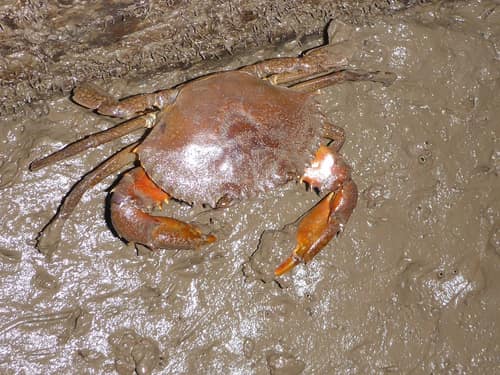
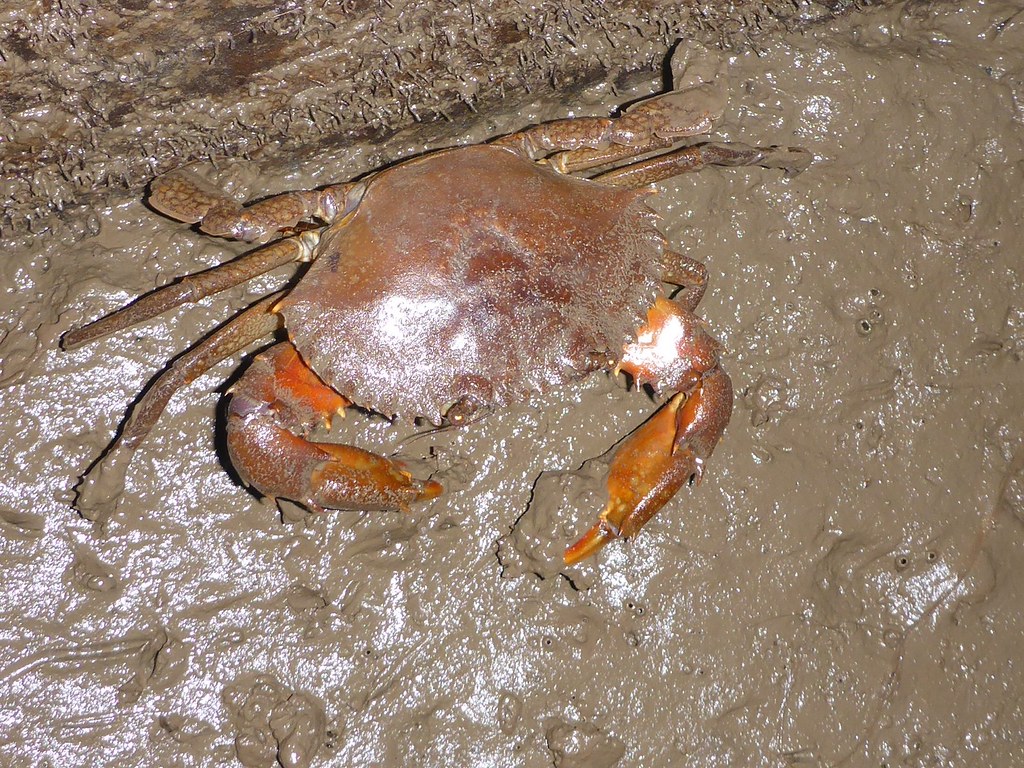
Mud crabs excavate deep burrows among mangrove root networks, retreating into these subterranean shelters during low tide to stay cool and moist. Armed with disproportionately massive chelae adapted for crushing thick-shelled mollusks, adult crabs emerge at high tide or under cover of darkness to prowl muddy substrate for food. Female crabs migrate offshore to marine waters to release millions of larvae, which ride coastal currents before settling into estuarine nursery grounds.
CrustaceanMangroveNocturnal
—observations
—countries
—peak records
Not EvaluatedConservation statusIUCN Red List categoriesLCNTVUENCREWEXNot Evaluated — not placed on the risk ladderRed List categories, explained →
Diet & preyMangrove Snail, Mud Clam, Fiddler Crab
Predators
- Estuarine Crocodile
- Barramundi
- Bull Shark
ThreatsOverharvesting, mangrove deforestation, pollution
HabitatsMangrove swamps, tidal creeks, muddy estuaries
Life span3–4 years
Classification
- FamilyPortunidae
- SpeciesScylla serrata
Range data is not available yet.
Interaction riskLow
- Low
- Moderate
- High
- Very high
- Why interaction risk is low
- Massive crushing claws can break fingers or lacerate skin; keep hands clear and do not reach into burrows.
- Why it is dangerous
- The enlarged chelae exert tremendous crushing force designed to crack thick seashells, easily capable of fracturing bones or amputating fingers.
- How to recognize a risky encounter
- Recognized by a broad, smooth fan-shaped shell with nine sharp spines on each side and two extraordinarily swollen front claws.
- What to do
- Never thrust hands into holes in mudbanks or pick up an unconstrained crab from the front; use heavy crab tongs if handling is unavoidable.
Responsible observation
- Spotting Burrows: Search exposed mudbanks at low tide for large, oval tunnel entrances fringed with fresh mud mounds.
- Night Spotting: Scan shallow mangrove margins with a flashlight after dark to catch adults actively foraging in the shallows.
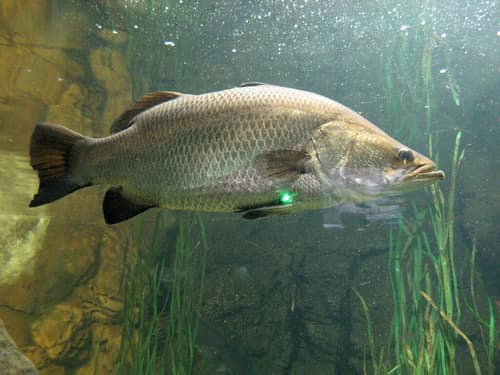
Predator (c) Mitch Ames, some rights reserved (CC BY-SA) · cc-by-sa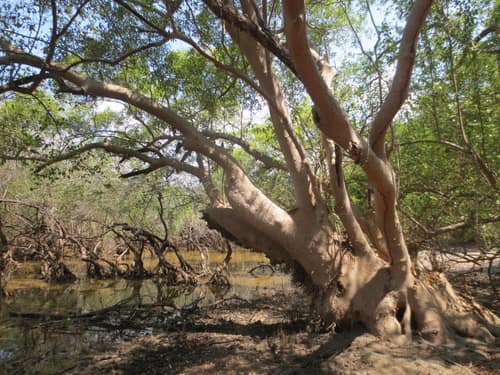
Habitat Partner Colin Trainor / CC BY-SA 3.0 · cc-by-sa Image unavailable
Prey Close Relative Close Relative
Help improve the field guideSomething wrong?
Checking your Fauna account…Report a name, category, or profile issue for review.