
Insect
Common Mormon Swallowtail
Papilio polytesAlso known as Common Mormon
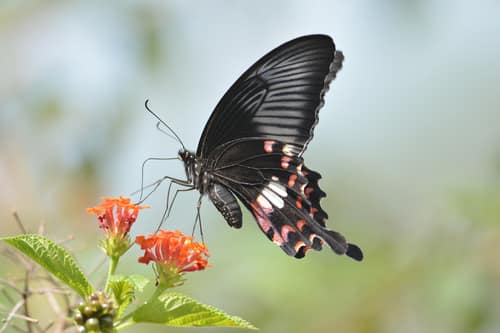
Common Mormon Swallowtails are famous throughout Asia for the striking sexual dimorphism and female polymorphism that allow them to evade predators. While males display a consistent black pattern with a line of white spots, females occur in several distinct morphs, with some expertly mimicking toxic red-bodied butterflies. Caterpillars feed primarily on citrus plants, using bird-dropping mimicry in early stages before transforming into bright green larvae.
PolymorphicPollinatorTropical

—observations
—countries
—peak records
Least ConcernConservation statusIUCN Red List categoriesLCNTVUENCREWEXLeast ConcernRed List categories, explained →
Diet & preyCitrus Leaves, Lantana Nectar, Ixora Nectar
Predators
- Birds
- Praying Mantises
- Spiders
ThreatsAgricultural pesticides and habitat loss
HabitatsTropical forests, gardens, citrus orchards, urban parks
Life span1–2 months as adult
Classification
- OrderLepidoptera
- FamilyPapilionidae
- GenusPapilio
- SpeciesPapilio polytes
Range data is not available yet.
Interaction riskLow
- Low
- Moderate
- High
- Very high
- Why interaction risk is low
- Harmless to humans; safe to observe from a close distance.
Responsible observation
- Garden Observation: Look for adults visiting nectar-rich plants like Lantana, Bougainvillea, and Ixora during sunny mornings.
- Caterpillar Spotting: Search young lemon, lime, or orange foliage for caterpillars disguised as bird droppings.
- Approach Quietly: Move slowly when taking photos, as adults startle easily if sudden shadows pass over them.
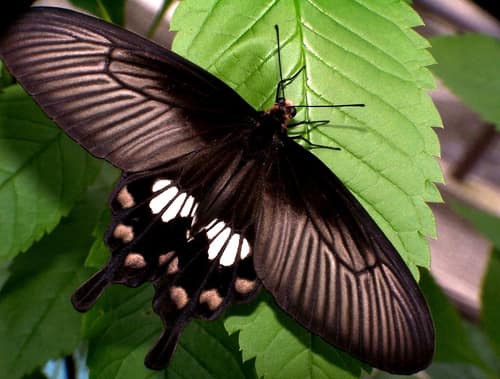
Batesian Model (c) Charles Lam, some rights reserved (CC BY-SA) · cc-by-sa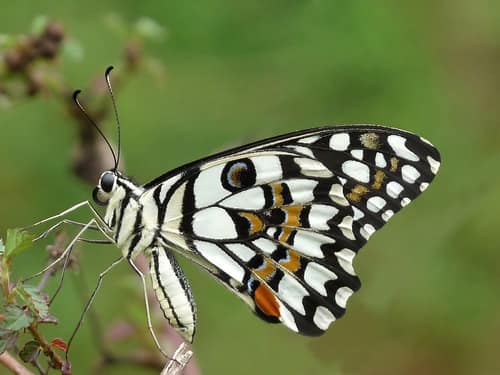
Close Relative Jeevan Jose, Kerala, India / CC BY-SA 4.0 · cc-by-sa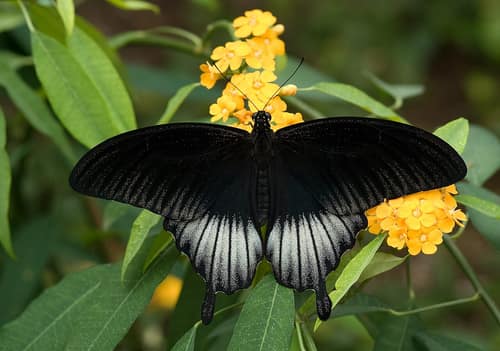
Close Relative pjt56 --- If you use the picture outside Wikipedia I would appreciate a short e-mail to pjt56@gmx.net / CC BY 3.0 · cc-by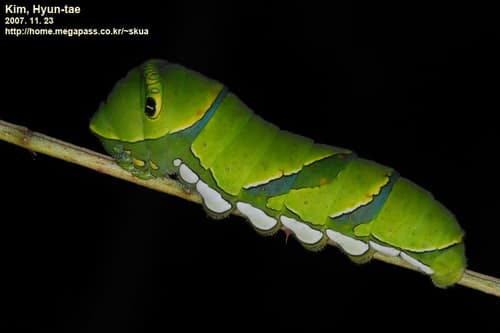
Close Relative (c) Kim, Hyun-tae, some rights reserved (CC BY), uploaded by Kim, Hyun-tae · cc-by
Keep collecting in Fauna
Found in Collections
Ecosystem chain Pro
Mystic Meadows
Common Mormon Swallowtail is found in this collection. Identify it in Fauna to fill this slot and continue your progress.
Unlock to track progress
Help improve the field guideSomething wrong?
Checking your Fauna account…Report a name, category, or profile issue for review.