
Insect
Black Swallowtail
Papilio polyxenesAlso known as Eastern Black Swallowtail, American Swallowtail, Parsnip Swallowtail
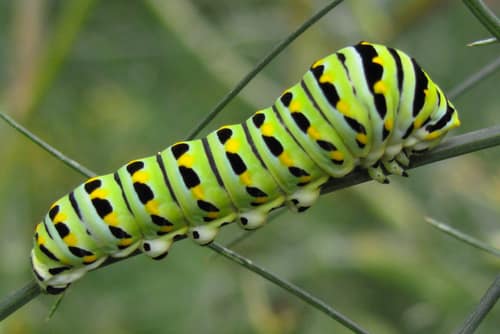
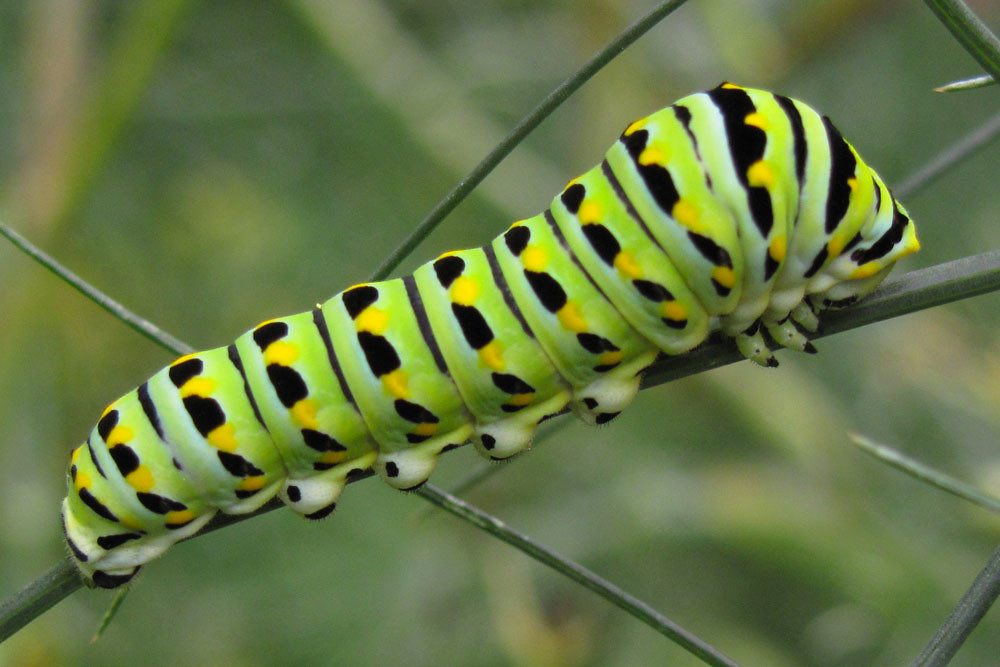
Black swallowtails flutter through open fields and sunny gardens across North America, seeking nectar and laying eggs on plants in the carrot family. Females display striking mimicry of the toxic pipevine swallowtail, featuring dark wings with iridescent blue hindwing washes that deter hungry birds. When threatened, the brightly striped caterpillars extend a orange, foul-smelling osmeterium organ from behind their head to ward off predators.
ButterflyPollinatorDiurnal
—observations
—countries
—peak records
Least ConcernConservation statusIUCN Red List categoriesLCNTVUENCREWEXLeast ConcernRed List categories, explained →
Diet & preyFlower Nectar, Parsley, Wild Carrot
Predators
- Birds
- Spiders
- Praying Mantises
ThreatsPesticide exposure and habitat fragmentation
HabitatsFields, gardens, meadows, roadsides, and open glades
Life span6–8 weeks total (adults live 10–14 days)
Classification
- OrderLepidoptera
- FamilyPapilionidae
- GenusPapilio
- SpeciesPapilio polyxenes
Range data is not available yet.
Interaction riskLow
- Low
- Moderate
- High
- Very high
- Why interaction risk is low
- Safe to observe at a normal distance.
Responsible observation
- Garden Plants: Plant dill, fennel, or parsley to attract egg-laying females to your yard.
- Host Larvae: Leave green-and-black striped caterpillars on garden herbs, as they pupate quickly.
- Gentle Approach: Move slowly when approaching adults feeding on flowers to avoid startling them.
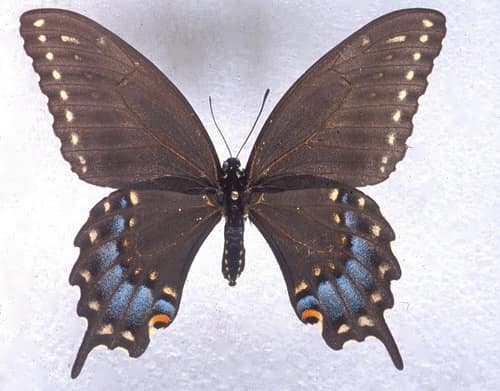
Look-alike Charles T. and John R. Bryson / CC BY 3.0 us · cc-by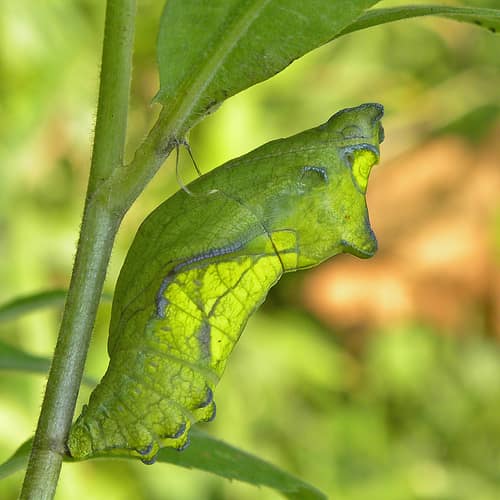
Model Species (c) M. Whitson, some rights reserved (CC BY), uploaded by M. Whitson · cc-by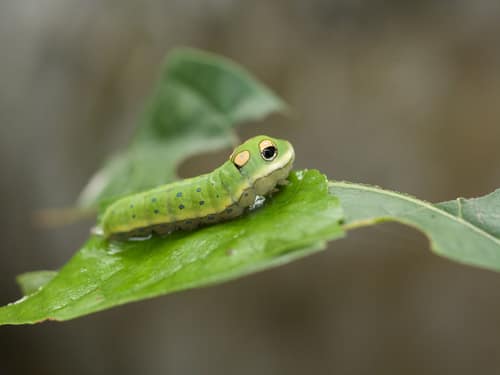
Close Relative "spicebush swallowtail caterpillar" by USFWS Headquarters is licensed under CC BY 2.0. To view a copy of this license, visit https://creativecommons.org/licenses/by/2.0/. · cc-by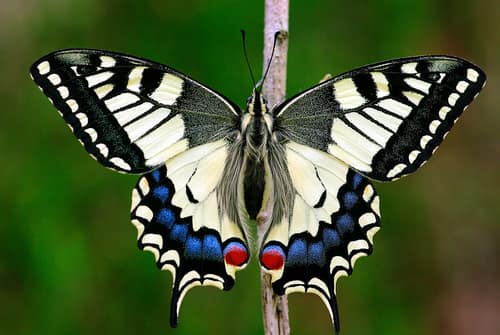
Close Relative Entomolo / CC BY-SA 4.0 · cc-by-sa
Keep collecting in Fauna
Found in Collections
Ecosystem chain Pro
Mystic Meadows
Black Swallowtail is found in this collection. Identify it in Fauna to fill this slot and continue your progress.
Unlock to track progress
Help improve the field guideSomething wrong?
Checking your Fauna account…Report a name, category, or profile issue for review.