Species · GBIF taxon 1861510
Death's-head Hawkmoth
Acherontia atroposAlso known as African Death's-head Hawkmoth, Bee Robber
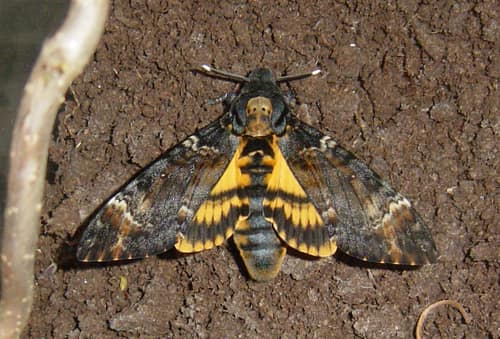
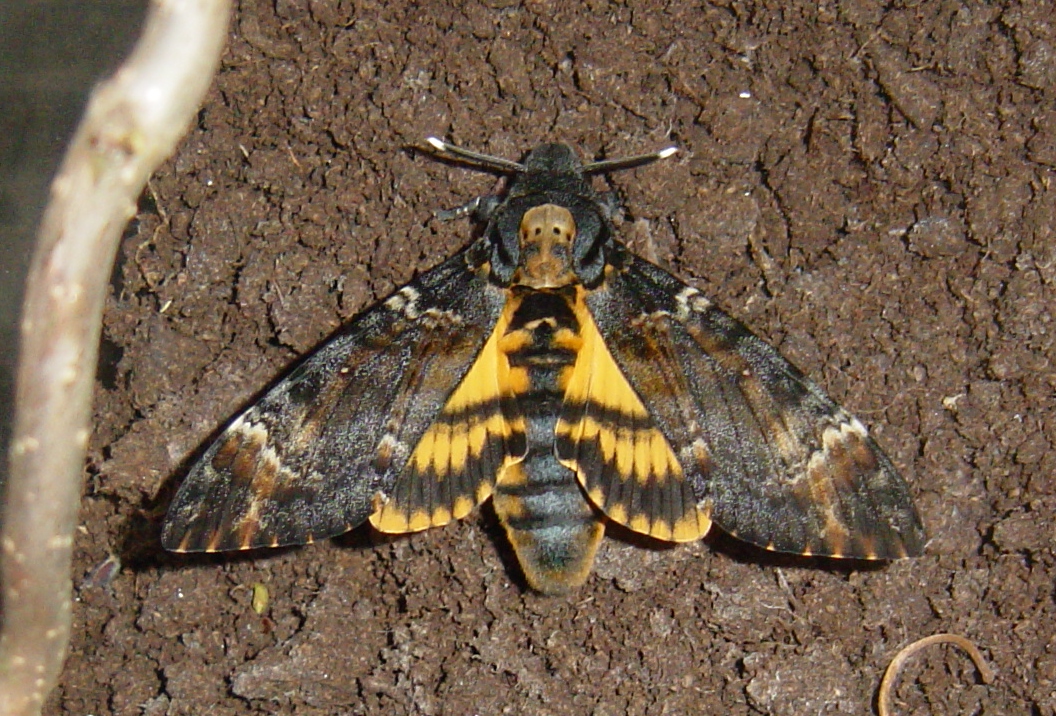
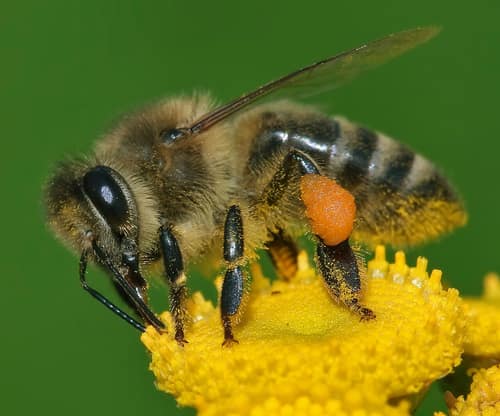
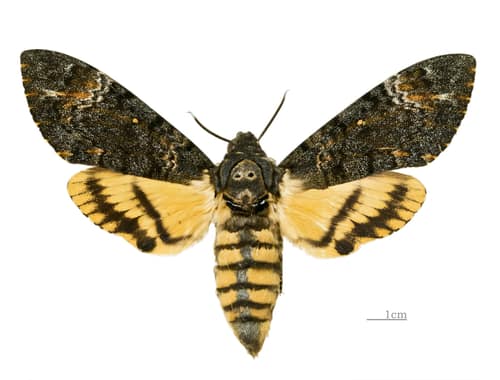
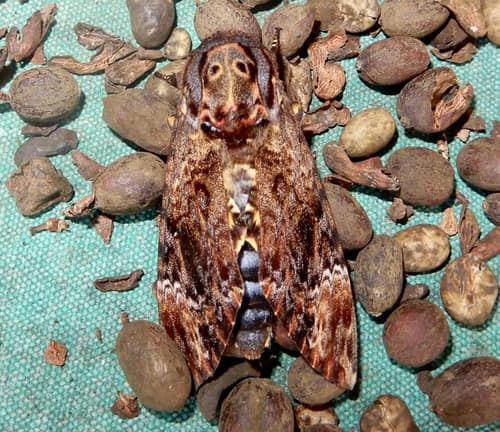
These large, powerful moths are famous for the striking skull-like mark on their thorax and their unusual ability to emit a loud, sharp squeak when disturbed. They frequently raid honeybee hives, using a chemical camouflage that mimics the scent of bees to steal honey undetected. During the night, they navigate using moonlight and artificial light sources across gardens, orchards, and agricultural fields.
NocturnalMigratoryVocalizing
- diet
- Nectar, honey, and tree sap for adults; leaves of nightshades, potatoes, and jasmine for caterpillars
- family
- Sphingidae
- threats
- Pesticide use, habitat loss, and modern beehive designs that prevent entry
- life Span
- Several weeks as adults; up to several months including larval and pupal stages
NE
Safe to observe at a normal distance.
- Listen for squeaks: Gently observe them if they settle, as they may emit a mouse-like squeak when alarmed.
- Check nightshades: Look for the massive, horn-tailed caterpillars on potato plants or bittersweet nightshade during late summer.
- Attract with light: Set up a mercury vapor light or strong outdoor lamp at night to attract migrating adults.