
Insect
Spongy Moth
Lymantria disparAlso known as Gypsy Moth, European Gypsy Moth, Asian Gypsy Moth
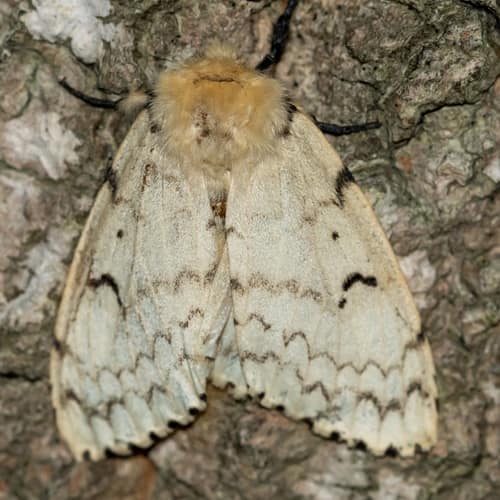
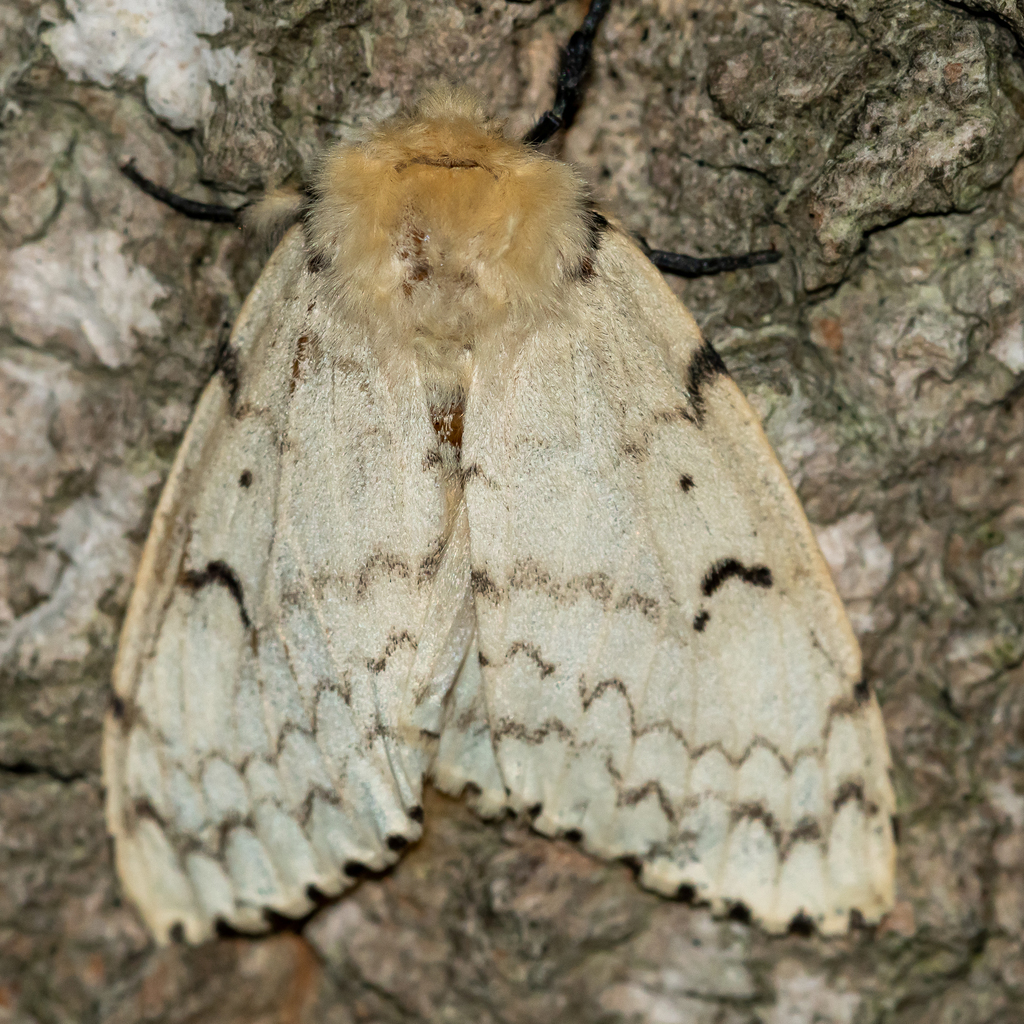
Spongy moths are infamous forest defoliators whose hairy caterpillars feature a distinctive pattern of five pairs of blue spots followed by six pairs of red spots along their backs. Adult females are buff-white and largely flightless, while smaller mottled brown males fly actively in search of mates using large feathered antennae. During population surges, millions of caterpillars strip entire forest canopies bare before laying tan, felt-like egg masses on tree trunks and outdoor structures.
InvasiveForest PestDefoliator
—observations
—countries
—peak records
Not EvaluatedConservation statusIUCN Red List categoriesLCNTVUENCREWEXNot Evaluated — not placed on the risk ladderRed List categories, explained →
Diet & preyOak Leaves, Willow Leaves, Aspen Leaves
Predators
- White-Footed Mouse
- Black-Capped Chickadee
- Cuckoo Birds
ThreatsNucleopolyhedrovirus, Entomophaga maimaiga fungus, parasitoid wasps, and bird predation
HabitatsDeciduous forests, mixed woodlands, parks, and suburban neighborhoods
Life span1–2 weeks as adults; 1 year total cycle
Classification
- OrderLepidoptera
- FamilyErebidae
- GenusLymantria
- SpeciesLymantria dispar
Range data is not available yet.
Interaction riskLow
- Low
- Moderate
- High
- Very high
- Why interaction risk is low
- Caterpillar hairs cause itchy skin rashes; avoid handling caterpillars or egg masses with bare hands.
- Why it is dangerous
- Caterpillars possess stinging hairs containing histamine-like chemicals that trigger contact dermatitis and skin rashes.
- How to recognize a risky encounter
- Look for dark hairy caterpillars with five pairs of blue spots followed by six pairs of red spots along the back.
- What to do
- Avoid bare skin contact with larvae or egg masses; wear gloves and long sleeves when removing them from property.
Responsible observation
- Spotting Egg Masses: Look for tan, sponge-like patches on tree bark and outdoor gear during autumn and winter.
- Avoid Touching: Do not handle caterpillars or egg masses without gloves, as shed hairs cause skin irritation.
- Prevent Spread: Inspect vehicles, trailers, and firewood before traveling to uninfested forest regions.
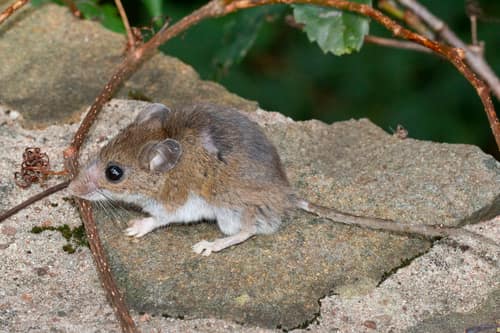
Predator (c) Kristof Zyskowski, some rights reserved (CC BY), uploaded by Kristof Zyskowski · cc-by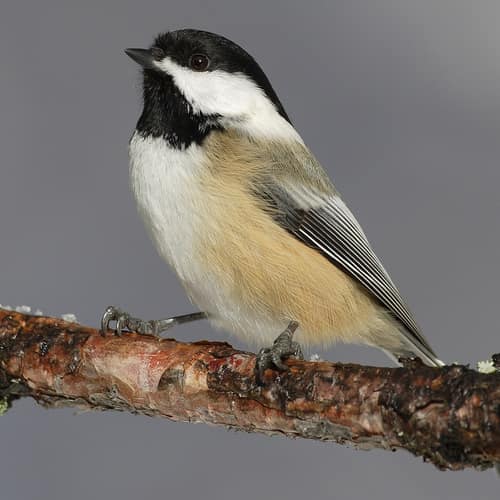
Predator No machine-readable author provided. Mdf assumed (based on copyright claims). / CC BY-SA 3.0 · cc-by-sa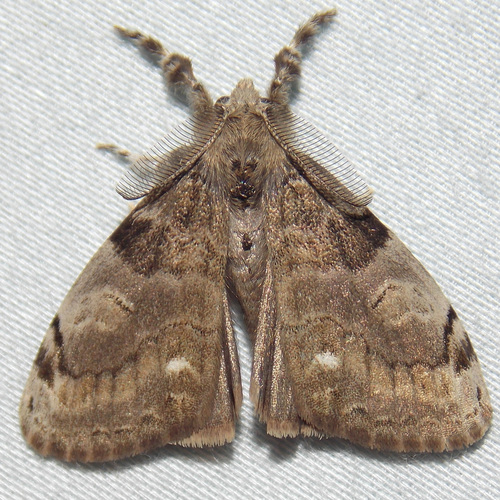
Close Relative (c) Fyn Kynd, some rights reserved (CC BY-SA), uploaded by Fyn Kynd · cc-by-sa
Keep collecting in Fauna
Found in Collections
Species set
Moonlight Marvels
Spongy Moth is found in this collection. Identify it in Fauna to fill this slot and continue your progress.
—/7
Help improve the field guideSomething wrong?
Checking your Fauna account…Report a name, category, or profile issue for review.