
Insect
Isabella Tiger Moth
Pyrrharctia isabellaAlso known as Banded Woolly Bear, Woolly Bear, Woolly Worm
Banded woolly bear caterpillars are famous across North America for their thick coats of black and rust-orange bristles and their remarkable ability to freeze solid over winter. In spring, they thaw out, pupate inside silk cocoons, and emerge as understated yellowish-buff moths marked with small dark spots. These nocturnal adults live only a week or two, devoting their brief lives to finding mates and laying eggs on low-growing plants.
Fuzzy CaterpillarNocturnalCold-Tolerant
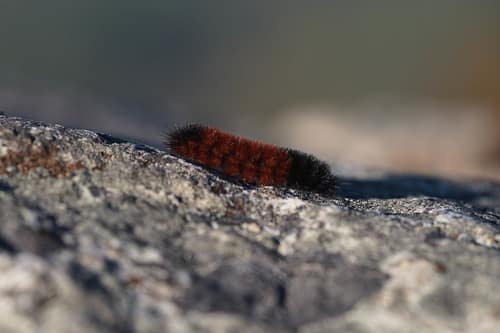
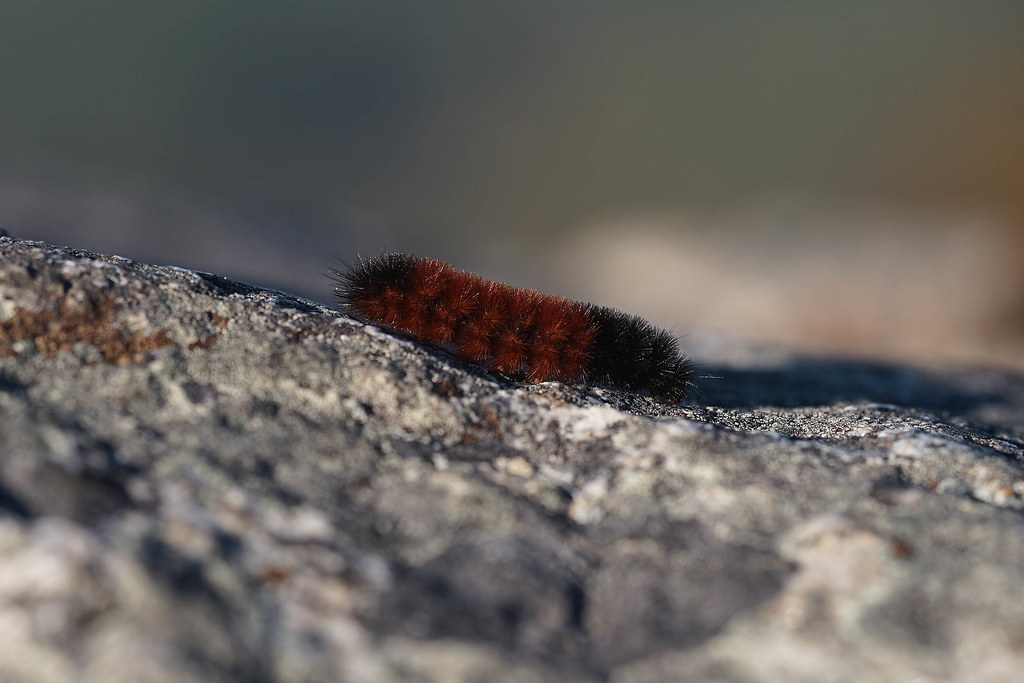
—observations
—countries
—peak records
Not EvaluatedConservation statusIUCN Red List categoriesLCNTVUENCREWEXNot Evaluated — not placed on the risk ladderRed List categories, explained →
Diet & preyDandelion Leaves, Plantain Leaves, Clover
Predators
- Birds
- Rodents
- Parasitoid Wasps
ThreatsPesticide application, habitat destruction, and vehicle mortality during autumn caterpillar movements.
HabitatsMeadows, fields, pastures, roadsides, lawns, and forest edges.
Life spanUp to 1 year total (larvae overwinter; adults live 1–2 weeks).
Classification
- OrderLepidoptera
- FamilyErebidae
- GenusPyrrharctia
- SpeciesPyrrharctia isabella
Range data is not available yet.
Interaction riskLow
- Low
- Moderate
- High
- Very high
- Why interaction risk is low
- Bristles can cause mild skin irritation in sensitive individuals; handle gently or observe without touching.
Responsible observation
- Autumn Spotting: Look for caterpillars crawling across footpaths in autumn as they search for shelter under logs and bark.
- Nighttime Attraction: Attract adult moths during summer nights using a porch light or blacklight set against a white sheet.
- Gentle Handling: Allow caterpillars to crawl onto a flat hand or leaf rather than squeezing, as stiff hairs can prick skin.
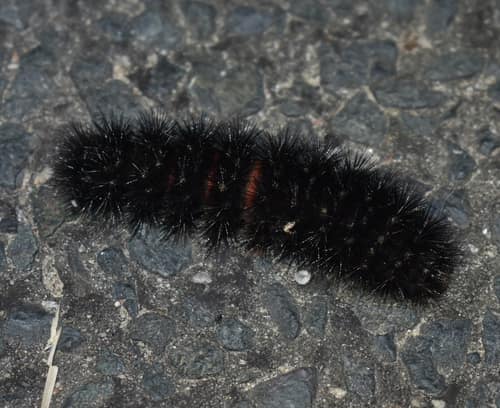
Family Relative (c) returntoszender, some rights reserved (CC BY-SA) · cc-by-sa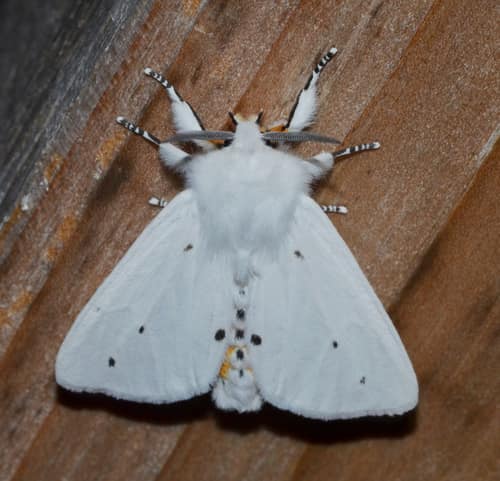
Close Relative (c) Andy Reago & Chrissy McClarren, some rights reserved (CC BY) · cc-by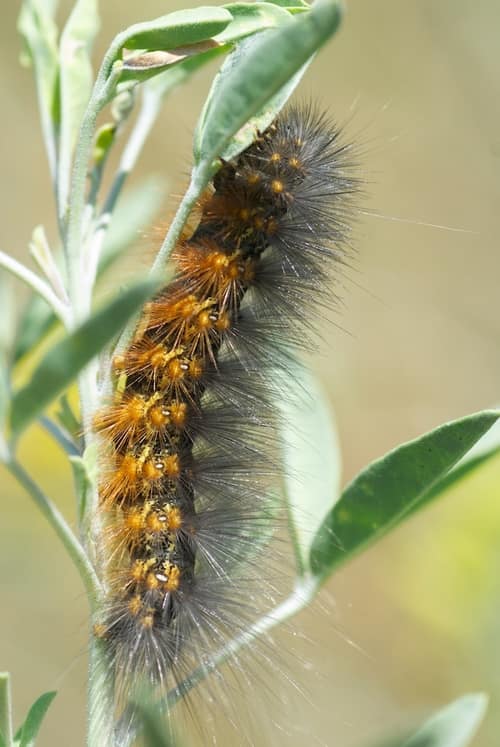
Close Relative (c) Jon Sullivan, some rights reserved (CC BY) · cc-by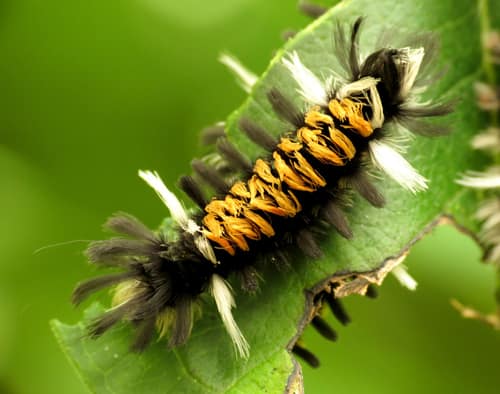
Family Relative (c) Katja Schulz, some rights reserved (CC BY) · cc-by
Keep collecting in Fauna
Found in Collections
Species set
Moonlight Marvels
Isabella Tiger Moth is found in this collection. Identify it in Fauna to fill this slot and continue your progress.
—/7
Help improve the field guideSomething wrong?
Checking your Fauna account…Report a name, category, or profile issue for review.