
Insect
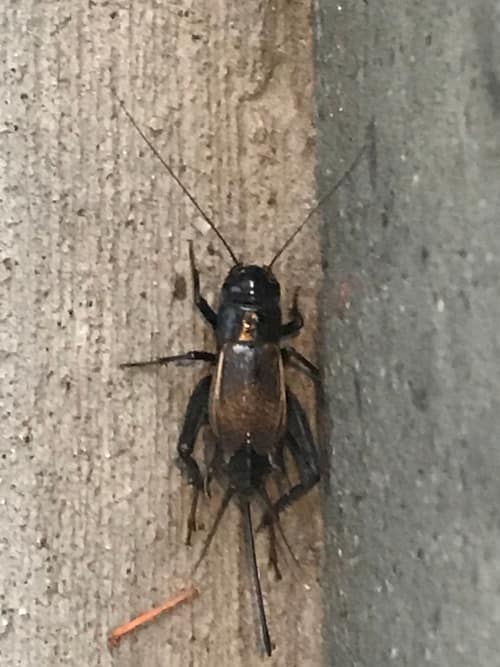
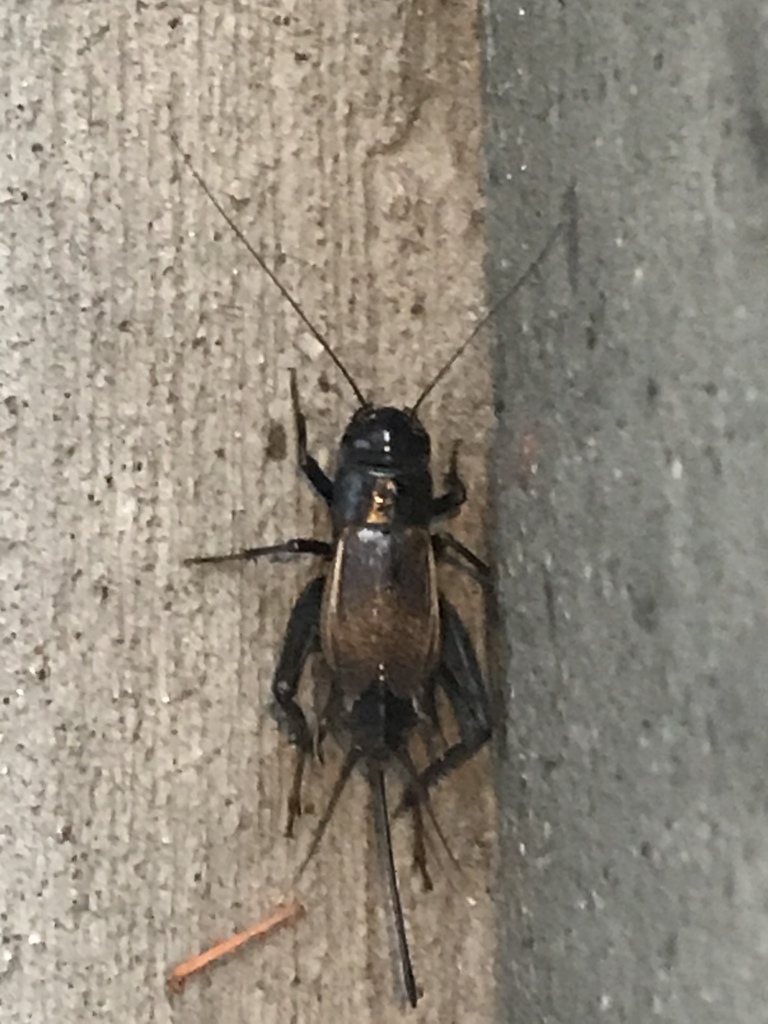
Fall Field Cricket
Gryllus pennsylvanicusAlso known as Northern Field Cricket
Fall field crickets are recognizable by their robust, dark brown to black bodies and the distinct chirping song males produce by rubbing their hardened forewings together. Overwintering as eggs laid deep in moist soil, adults emerge in late summer and remain active until the first hard frosts of autumn. These adaptable insects play a vital ecological role by breaking down decaying plant matter and serving as a crucial food source for birds, small mammals, and amphibians.
ChirpingNocturnalGround-Dwelling
—observations
—countries
—peak records
Not EvaluatedConservation statusIUCN Red List categoriesLCNTVUENCREWEXNot Evaluated — not placed on the risk ladderRed List categories, explained →
Diet & preyDecaying vegetation, Plant seeds, Dead insects
Predators
- Toads
- Songbirds
- Wolf Spiders
ThreatsBroad-spectrum insecticides and severe habitat loss
HabitatsFields, pastures, forest edges, lawns, disturbed soils
Life span8–10 months (including egg phase); adults live 1–2 months
Classification
- OrderOrthoptera
- FamilyGryllidae
- GenusGryllus
- SpeciesGryllus pennsylvanicus
Range data is not available yet.
Interaction riskLow
- Low
- Moderate
- High
- Very high
- Why interaction risk is low
- Safe to observe at a normal distance.
Responsible observation
- Listen for songs: Male chirping speeds up as ambient air temperatures rise.
- Look under debris: Search beneath flat stones, fallen logs, or leaf litter during daylight.
- Observe at night: Use a dim flashlight to spot active crickets feeding along garden borders.
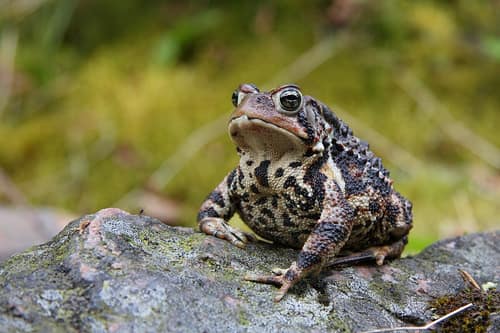
Predator Cephas / CC BY-SA 3.0 · cc-by-sa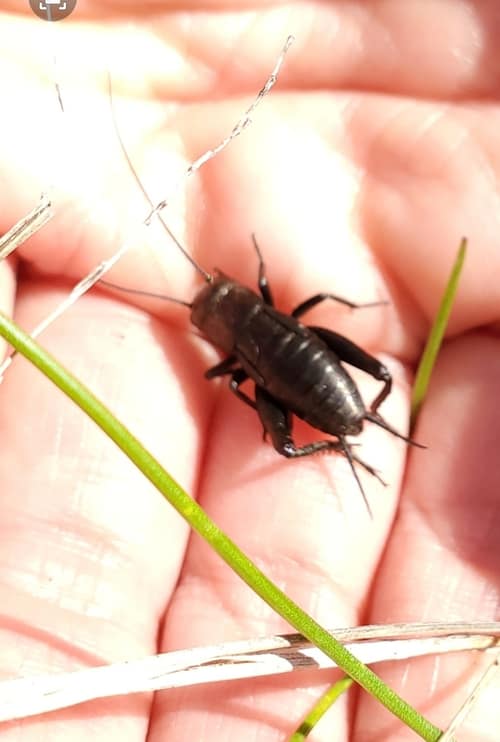
Close Relative no rights reserved · cc0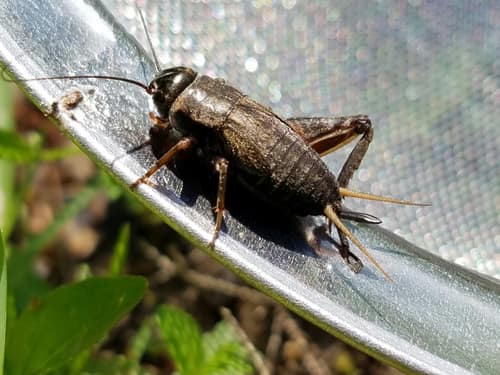
Close Relative (c) Tyler Bishop, some rights reserved (CC BY), uploaded by Tyler Bishop · cc-by
Keep collecting in Fauna
Found in Collections
Species set
Moonlight Marvels
Fall Field Cricket is found in this collection. Identify it in Fauna to fill this slot and continue your progress.
—/7
Help improve the field guideSomething wrong?
Checking your Fauna account…Report a name, category, or profile issue for review.