
Mammal
Victorian Koala
Phascolarctos cinereus victorAlso known as Southern Koala
Victorian koalas are the largest and heaviest of their kind, sporting thick, fluffy, chocolate-brown fur adapted for chilly southern winters. They spend up to twenty hours a day resting or sleeping in the forks of eucalyptus trees to conserve energy while digesting tough, fibrous leaves. Mothers carry a single joey in their backward-facing pouch, later transferring the young to their back as they navigate the canopy.
ArborealMarsupialHerbivorous
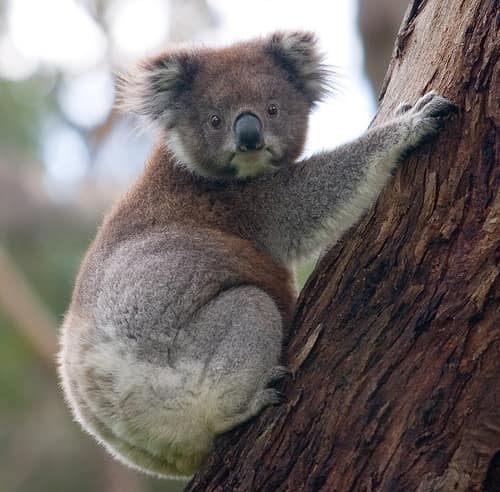
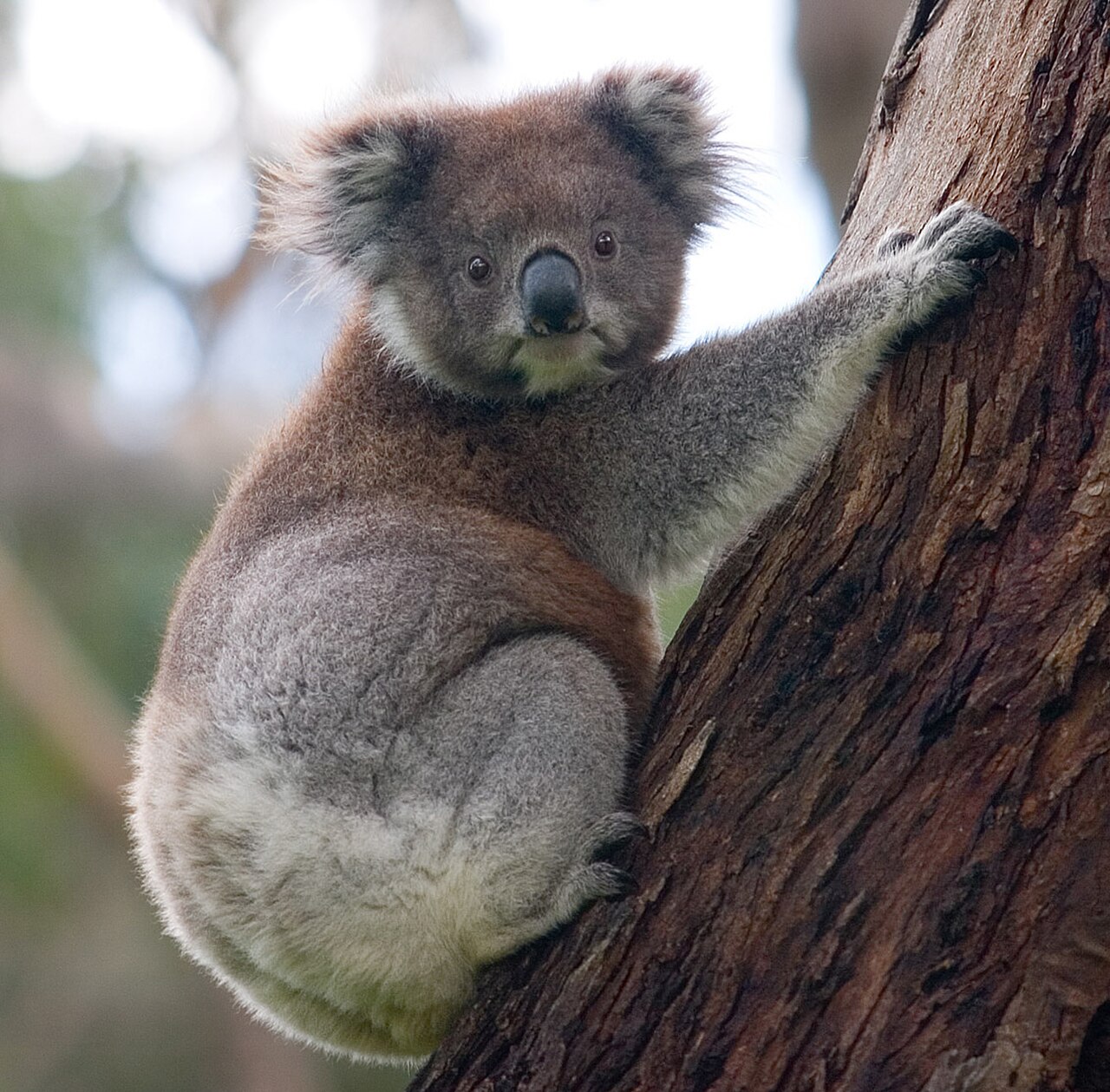
—observations
—countries
—peak records
VulnerableConservation statusIUCN Red List categoriesLCNTVUENCREWEXVulnerableRed List categories, explained →
Diet & preyManna gum leaves, Blue gum leaves, Swamp gum leaves
Predators
- Dingoes
- Domestic dogs
- Wedge-tailed eagles
ThreatsHabitat fragmentation, bushfires, chlamydia infections, and vehicle collisions
HabitatsEucalyptus forests, woodlands, and coastal shrublands
Life span10 to 15 years in the wild
Classification
- FamilyPhascolarctidae
- SpeciesPhascolarctos cinereus victor
Range data is not available yet.
Interaction riskLow
- Low
- Moderate
- High
- Very high
- Why interaction risk is low
- Equipped with sharp claws and strong jaws; observe quietly from a safe distance and never attempt to touch.
- Why it is dangerous
- Possesses extremely sharp, curved claws designed for climbing trees and a powerful bite that can cause deep puncture wounds.
- How to recognize a risky encounter
- Look for a stout, tailless body with thick chocolate-brown fur, large fluffy ears, and a prominent black nose.
- What to do
- Never approach a koala on the ground or attempt to handle one; call local wildlife rescue if an animal appears injured.
- What to notice
- Identifiable by its large size, dense dark fur, and frequent presence in Victorian eucalyptus woodlands.
- Support conservation
- Avoid shining bright torches directly into their eyes at night and keep domestic dogs on leashes in koala habitat.
Responsible observation
- Look up: Scan the forks of mature eucalyptus trees, especially manna gums, where they often tuck themselves to sleep.
- Listen closely: Listen for the deep, guttural grunts and bellows of males during the spring breeding season.
- Give space: Keep a respectful distance of at least ten meters to avoid causing stress or defensive behavior.
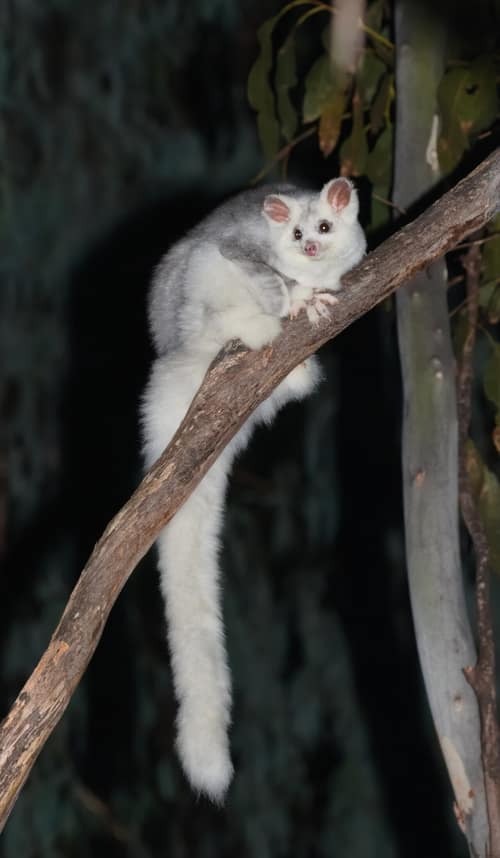
Co-habitant Third Silence Nature Photography / CC BY 4.0 · cc-by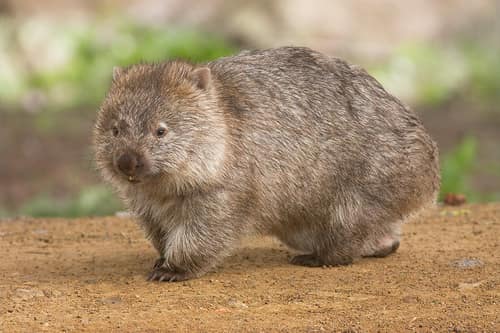
Close Relative "Common Wombat" by JJ Harrison is licensed under CC BY-SA 2.0. To view a copy of this license, visit https://creativecommons.org/licenses/by-sa/2.0/. · cc-by-sa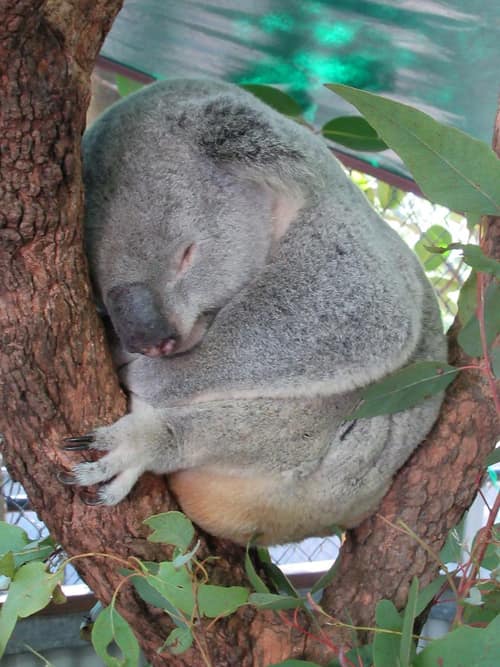
Close Relative "Queensland Koala" by D-Stanley is licensed under CC BY 2.0. To view a copy of this license, visit https://creativecommons.org/licenses/by/2.0/. · cc-by
Help improve the field guideSomething wrong?
Checking your Fauna account…Report a name, category, or profile issue for review.