
Insect
Say's Firefly
Pyractomena angulataAlso known as Angle Candled Firefly
Say's fireflies illuminate forest edges and wetlands across eastern North America with rapid, amber-yellow flashes that begin shortly after sundown. Larvae hunt snails and slugs across damp tree bark and leaf litter, eventually pupating head-down on tree trunks in a distinctive arched posture. Adults often signal from elevated perches within tree canopies, creating synchronized flickers among the branches.
NocturnalBioluminescentBeetle
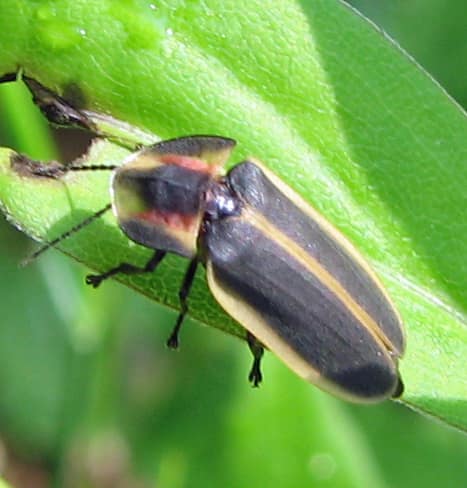
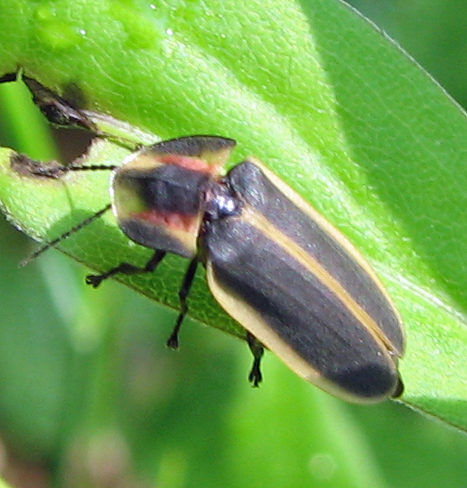
—observations
—countries
—peak records
Least ConcernConservation statusIUCN Red List categoriesLCNTVUENCREWEXLeast ConcernRed List categories, explained →
Diet & preyTree snails, Slugs, Soft-bodied insect larvae
Predators
- Orb-weaver spiders
- Treefrogs
- Photuris fireflies
ThreatsArtificial light pollution, wetland loss, pesticide use, and canopy fragmentation
HabitatsDeciduous woodlands, forested wetlands, riparian corridors, and damp meadows
Life span1–2 years (mostly spent in larval stage)
Classification
- FamilyLampyridae
- SpeciesPyractomena angulata
Range data is not available yet.
Interaction riskLow
- Low
- Moderate
- High
- Very high
- Why interaction risk is low
- Safe to observe at a normal distance.
Responsible observation
- Look High: Search the lower tree branches and shrub line rather than open grass during twilight.
- Dark Skies: Turn off flashlights and exterior lamps to avoid drowning out their mating flash codes.
- Trunk Inspection: Check deeply furrowed tree bark in late spring to spot hanging, camouflaged pupae.
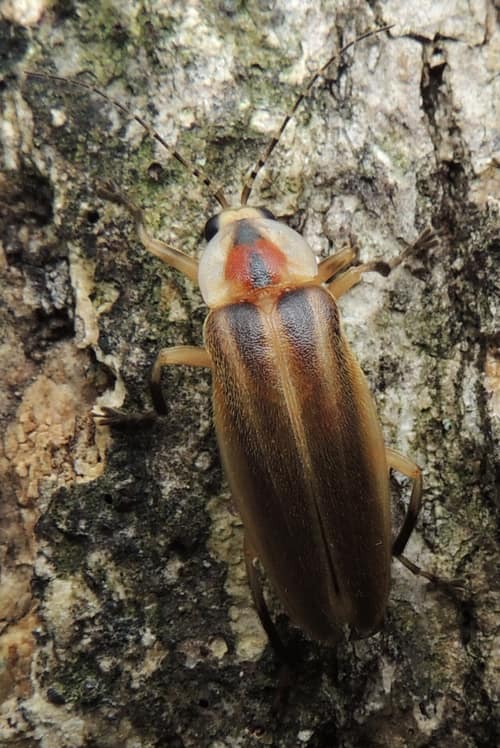
Predator Gould363 / CC BY-SA 4.0 · cc-by-sa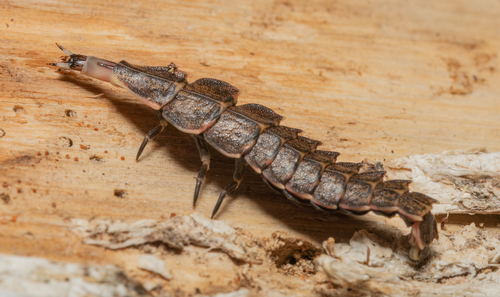
Close Relative (c) Robert Roach, some rights reserved (CC BY) · cc-by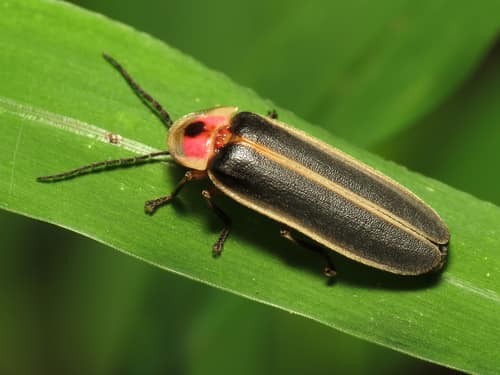
Same Family (c) Katja Schulz, some rights reserved (CC BY) · cc-by
Help improve the field guideSomething wrong?
Checking your Fauna account…Report a name, category, or profile issue for review.