
Insect
Common Eastern Firefly
Photinus pyralisAlso known as Big Dipper Firefly, Eastern Lightning Bug
Male Big Dipper fireflies perform a distinct J-shaped flash pattern while rising through the evening air at dusk, inviting females resting in the grass below to signal back. Larvae live underground or in leaf litter, where they act as active predators of soft-bodied soil invertebrates. Adults emerge during warm summer evenings, using cold chemical bioluminescence produced by luciferin and luciferase to locate mates.
BioluminescentNocturnalSummer
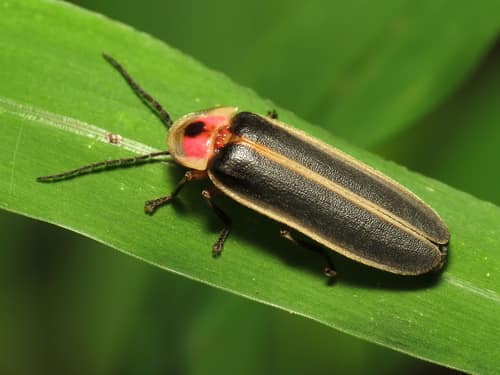
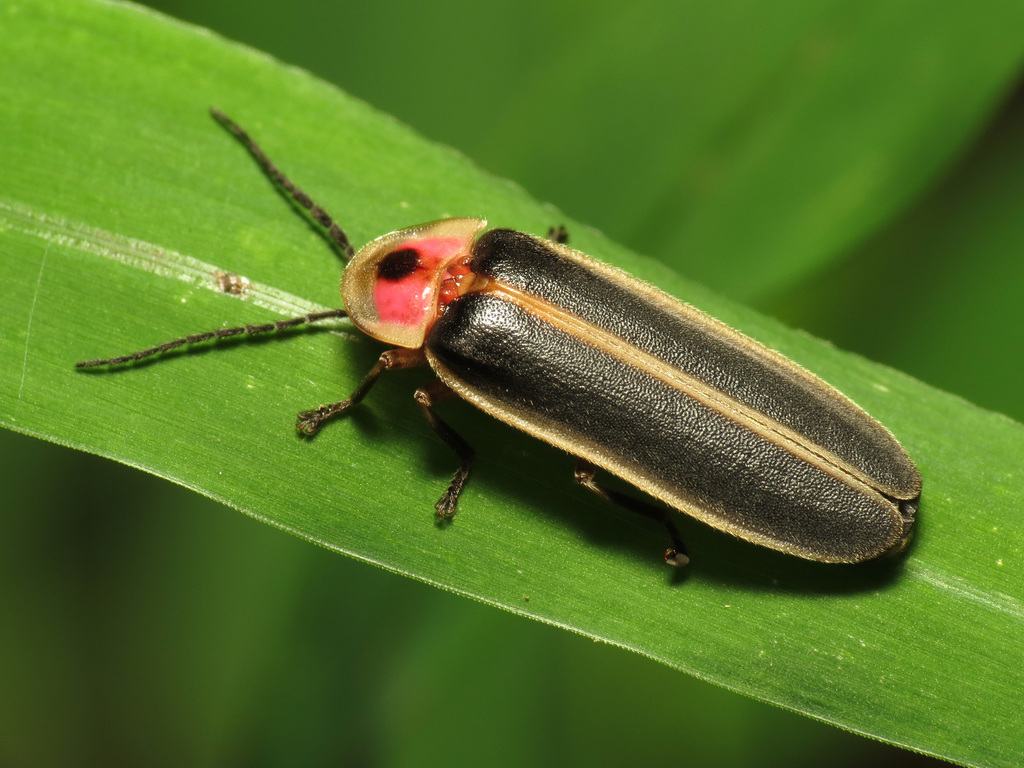
—observations
—countries
—peak records
Least ConcernConservation statusIUCN Red List categoriesLCNTVUENCREWEXLeast ConcernRed List categories, explained →
Diet & preySnails, Slugs, Earthworms
Predators
- Photuris fireflies
- Spiders
- Toads
ThreatsLight pollution, habitat loss, and lawn insecticides
HabitatsLawns, meadows, forest edges, and damp fields
Life span1–2 years (adults live 1–3 weeks)
Classification
- OrderColeoptera
- FamilyLampyridae
- GenusPhotinus
- SpeciesPhotinus pyralis
Range data is not available yet.
Interaction riskHigh
- Low
- Moderate
- High
- Very high
- Why interaction risk is high
- Safe to observe at a normal distance.
Responsible observation
- Dim the Lights: Turn off outdoor lighting at night to help fireflies find mates easily.
- Leave Leaf Litter: Maintain unraked natural areas where larvae hunt subterranean prey.
- Handle Gently: Catch briefly in clean glass jars, observing without harming their delicate bodies.
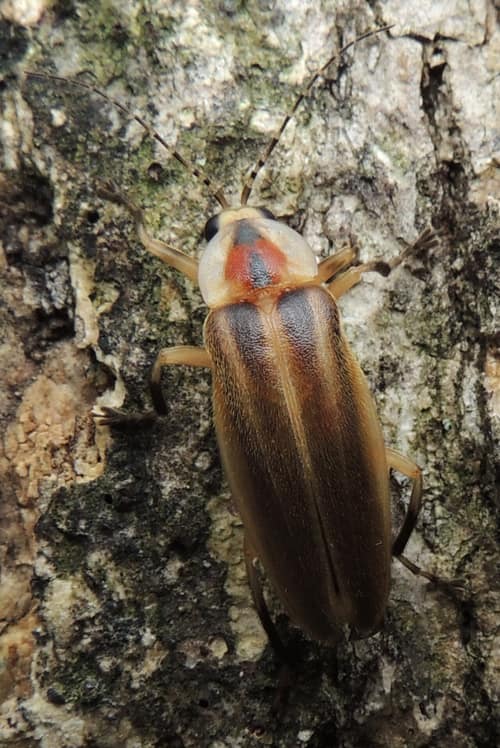
Predator Gould363 / CC BY-SA 4.0 · cc-by-sa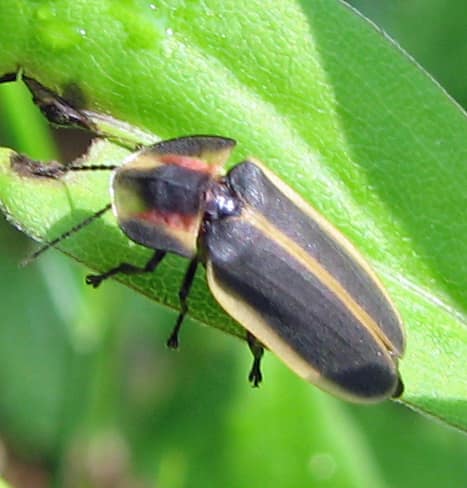
Co-occurring Firefly Jacy Lucier / CC BY-SA 4.0 · cc-by-sa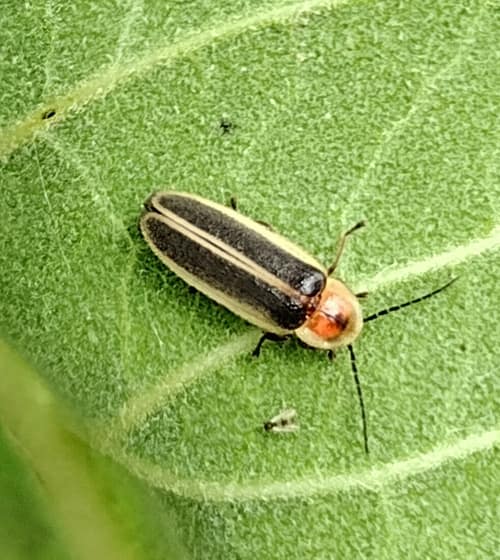
Close Relative no rights reserved · cc0
Keep collecting in Fauna
Found in Collections
Species set
Moonlight Marvels
Common Eastern Firefly is found in this collection. Identify it in Fauna to fill this slot and continue your progress.
—/7
Help improve the field guideSomething wrong?
Checking your Fauna account…Report a name, category, or profile issue for review.