
Mammal
Red Panda
Ailurus styaniAlso known as Chinese Red Panda, Lesser Panda, Styan's Red Panda
Chinese red pandas spend their lives navigating high montane canopies, using long bushy tails for balance and a modified false thumb to grip bamboo stalks. Solitary by nature, they communicate through quiet whistles, twitters, and tail postures, leaving scent markings along branches to delineate home ranges. Cold temperate winters present energetic challenges, prompting them to slow metabolic rates and curl into tight, fur-wrapped balls on mossy tree limbs.
ArborealHerbivorousNocturnal
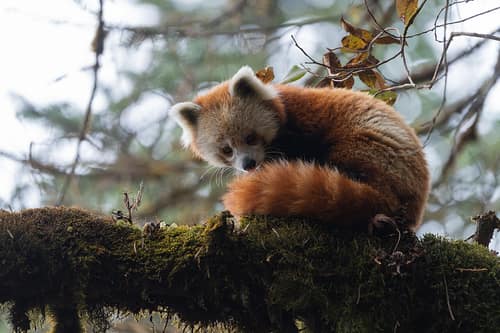
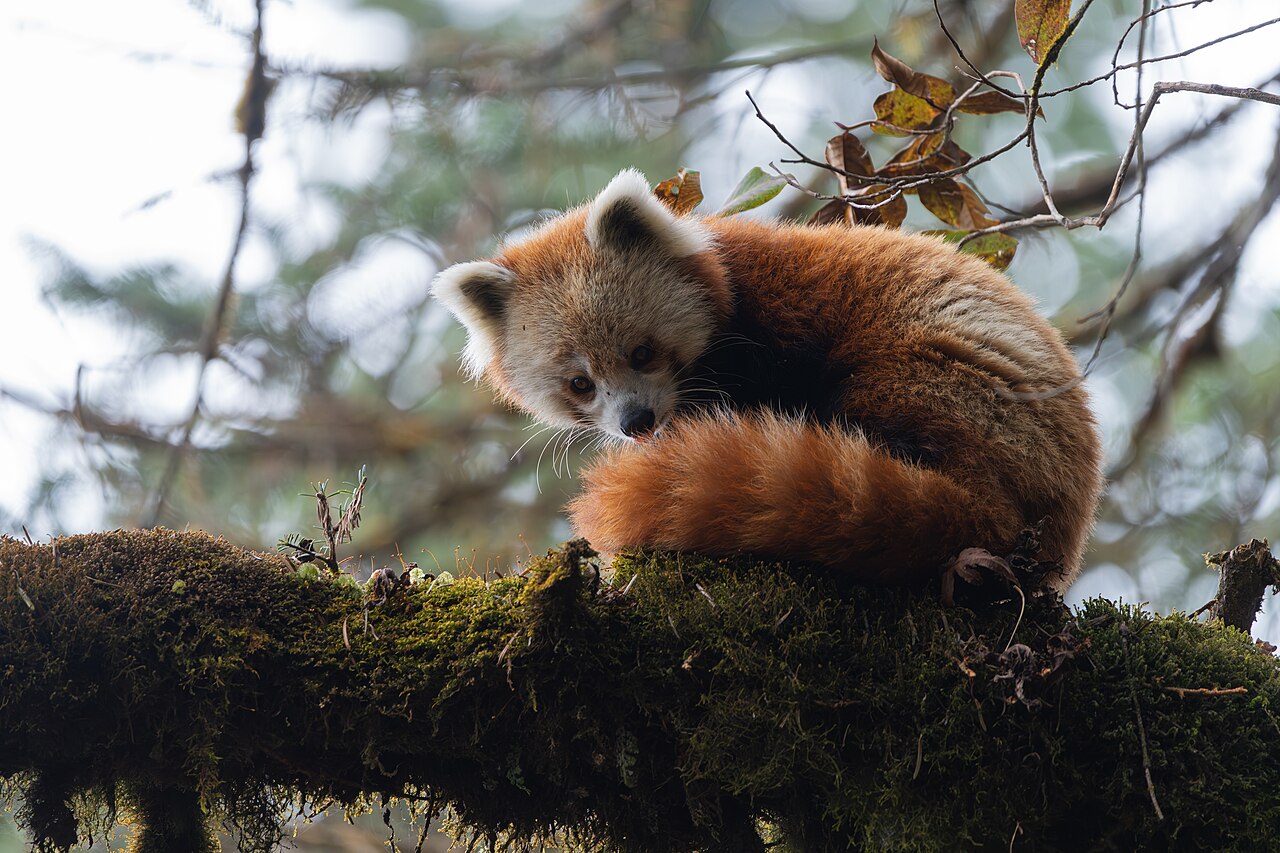
—observations
—countries
—peak records
EndangeredConservation statusIUCN Red List categoriesLCNTVUENCREWEXEndangeredRed List categories, explained →
Diet & preyBamboo leaves and shoots, Wild berries, Bird eggs
Predators
- Snow leopard
- Clouded leopard
- Dhole
ThreatsHabitat loss from logging, agricultural clearing, infrastructure development, livestock grazing, and poaching.
HabitatsTemperate mixed deciduous and conifer forests with dense bamboo understories, generally between 2,200 and 4,800 meters elevation.
Life span8–10 years in the wild; up to 14 years in human care.
Classification
- FamilyAiluridae
- SpeciesAilurus styani
Native
Interaction riskLow
- Low
- Moderate
- High
- Very high
- Why interaction risk is low
- Equipped with sharp, curved claws and teeth; maintain respectful distance and do not corner.
- Why it is dangerous
- Possesses semi-retractable claws and sharp canine teeth capable of inflicting deep lacerations if cornered or handled.
- How to recognize a risky encounter
- Distinguished by deep chestnut-red fur, darker facial markings than its western kin, and a boldly ringed tail.
- What to do
- Never attempt to touch or capture wild individuals; give them ample space to climb to safety.
- What to notice
- Found almost exclusively in montane cloud forests featuring continuous understories of dwarf bamboo.
- Support conservation
- Stay on established trekking routes, keep companion animals leashed, and avoid disturbing bamboo stands.
Responsible observation
- Look Up: Search the mid-to-high canopy of temperate bamboo-rich forests around dawn or dusk.
- Maintain Silence: Quiet observation prevents startling them down from roosting perches into thicker brush.
- Respect Space: Avoid approaching wild individuals, keeping a wide distance to minimize stress.
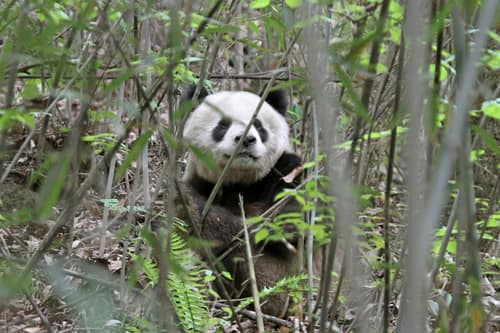
Ecological Neighbor no rights reserved, uploaded by James Eaton · cc0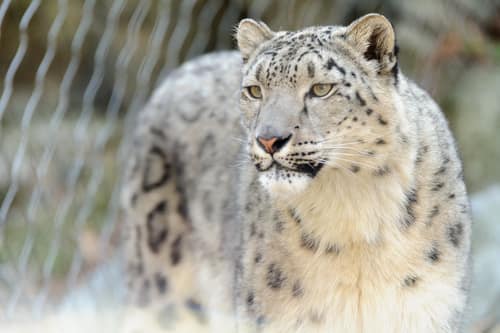
Predator "Snow Leopard from the Side" by Eric Kilby is licensed under CC BY-SA 2.0. To view a copy of this license, visit https://creativecommons.org/licenses/by-sa/2.0/. · cc-by-sa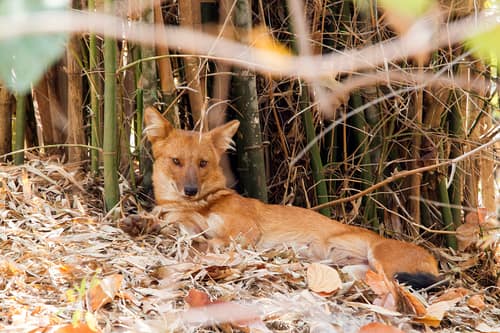
Predator (c) Ramesh Shenai Jr., some rights reserved (CC BY), uploaded by Ramesh Shenai Jr. · cc-by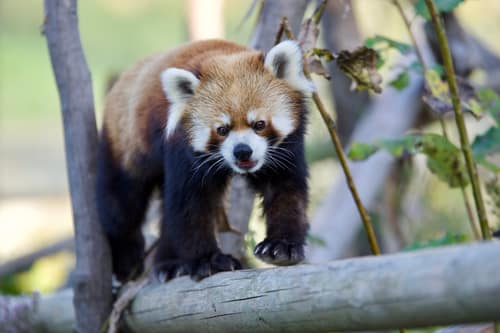
Close Relative (c) S.Brickman, some rights reserved (CC BY-SA) · cc-by-sa
Help improve the field guideSomething wrong?
Checking your Fauna account…Report a name, category, or profile issue for review.