
Insect
Sacred Scarab
Scarabaeus sacerAlso known as Egyptian Scarab, Sacred Dung Beetle
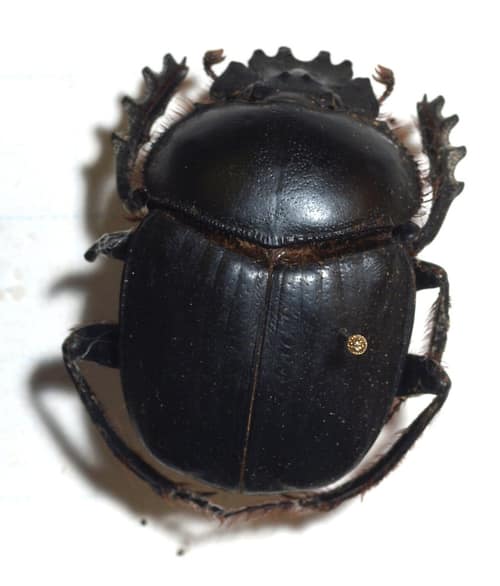
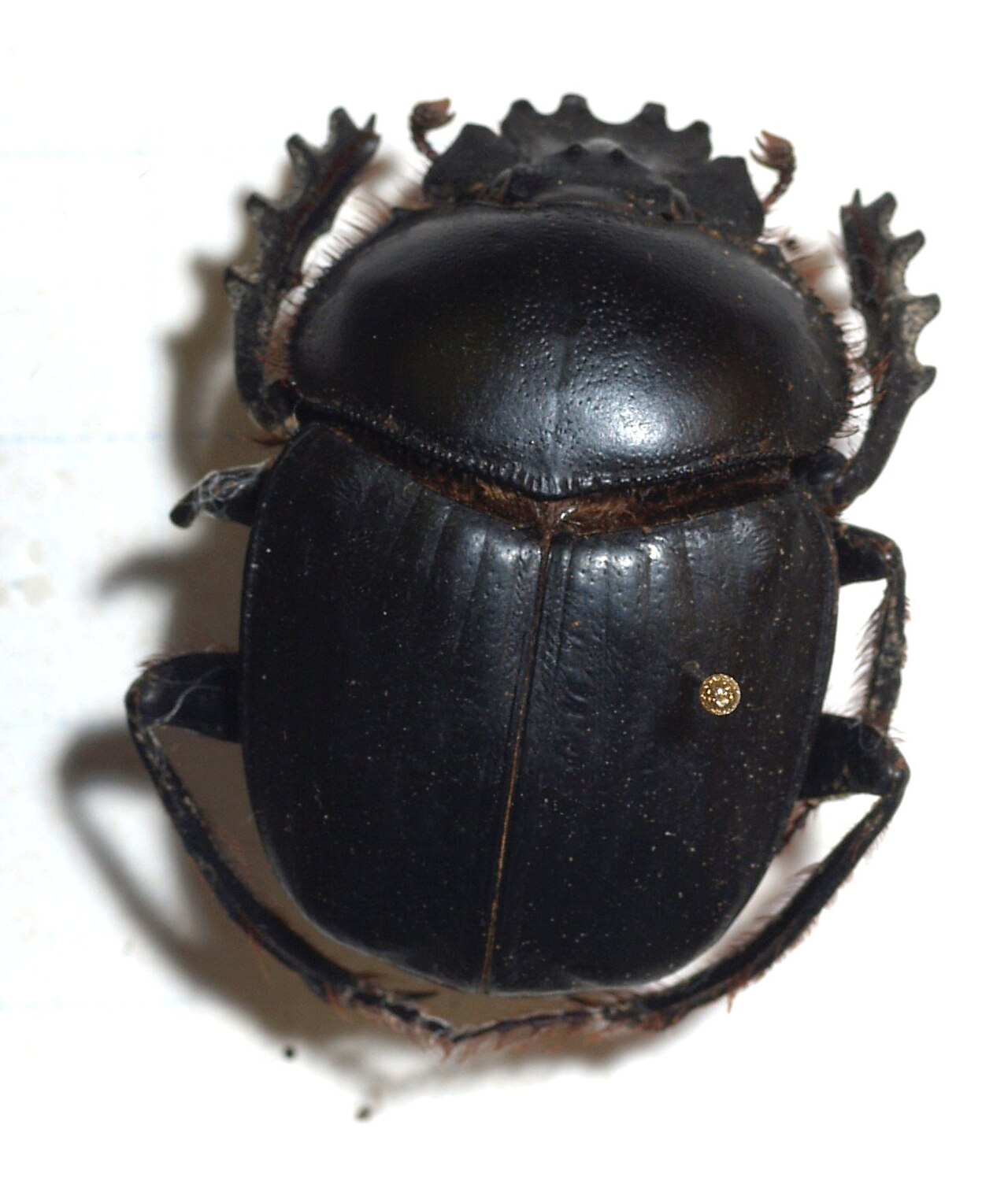
Sacred scarabs shape fresh herbivore dung into neat spheres, rolling them backward across sunbaked terrain with their long hind legs before burying them beneath the soil. These subterranean caches serve as both personal food supplies and nutrient-packed nurseries where females deposit a single egg per brood ball. By processing waste, these iconic beetles cycle soil nutrients, suppress pest fly populations, and aerate arid pastures throughout the Mediterranean basin.
CoprophagousDiurnalSoil Builder
—observations
—countries
—peak records
Not EvaluatedConservation statusIUCN Red List categoriesLCNTVUENCREWEXNot Evaluated — not placed on the risk ladderRed List categories, explained →
Diet & preyHerbivore dung
Predators
- Lizards
- Insectivorous Birds
- Small Mammals
ThreatsVeterinary pharmaceutical contamination in livestock dung, habitat loss, heavy pesticide use
HabitatsArid coastal dunes, pastures, shrublands, desert fringes
Life span1–3 years
Classification
- FamilyScarabaeidae
- SpeciesScarabaeus sacer
Range data is not available yet.
Interaction riskLow
- Low
- Moderate
- High
- Very high
- Why interaction risk is low
- Safe to observe at a normal distance.
Responsible observation
- Look for Tracks: Search sandy paths near livestock for distinctive rolling trails leading to fresh dung.
- Give Space: Observe rolling beetles without blocking their line of travel across sunny terrain.
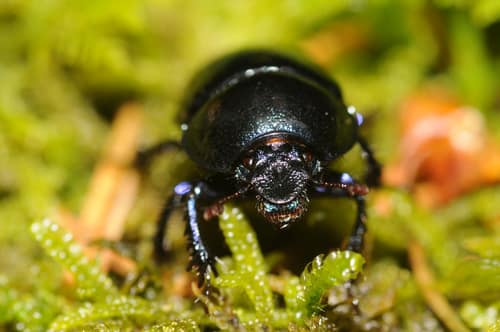
Ecological Competitor (c) Thomas Bresson, some rights reserved (CC BY) · cc-by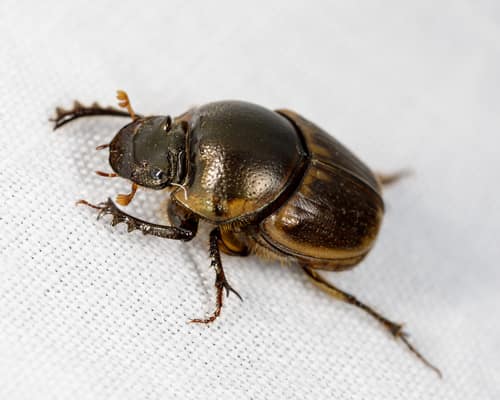
Fellow Dung Beetle (c) Meghan Cassidy, some rights reserved (CC BY-SA), uploaded by Meghan Cassidy · cc-by-sa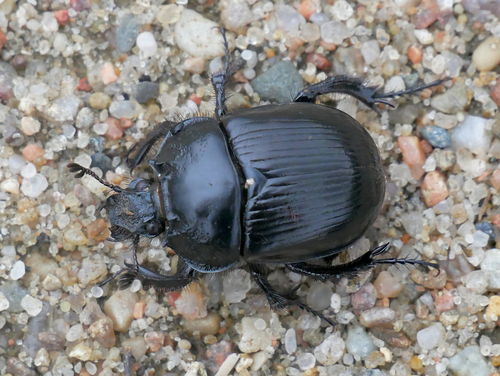
Dung Beetle Relative no rights reserved, uploaded by Christian Kahle · cc0
Help improve the field guideSomething wrong?
Checking your Fauna account…Report a name, category, or profile issue for review.